Filters
Filters
- Masters
- Master degree
- Food and Beverage Programs
- Food and Beverage Technology
Sort by
2 Food and Beverage Technology Master's Degree Programs


LUT University
Master’s Programme in Food Processing Technology
- Kouvola, Finland
Master degree
Full time
2 years
On-Campus
English
In the Master's Programme in Food Processing Technology, you will acquire knowledge and skills essential in the renewal of the food processing industry and in the development of novel food processes.
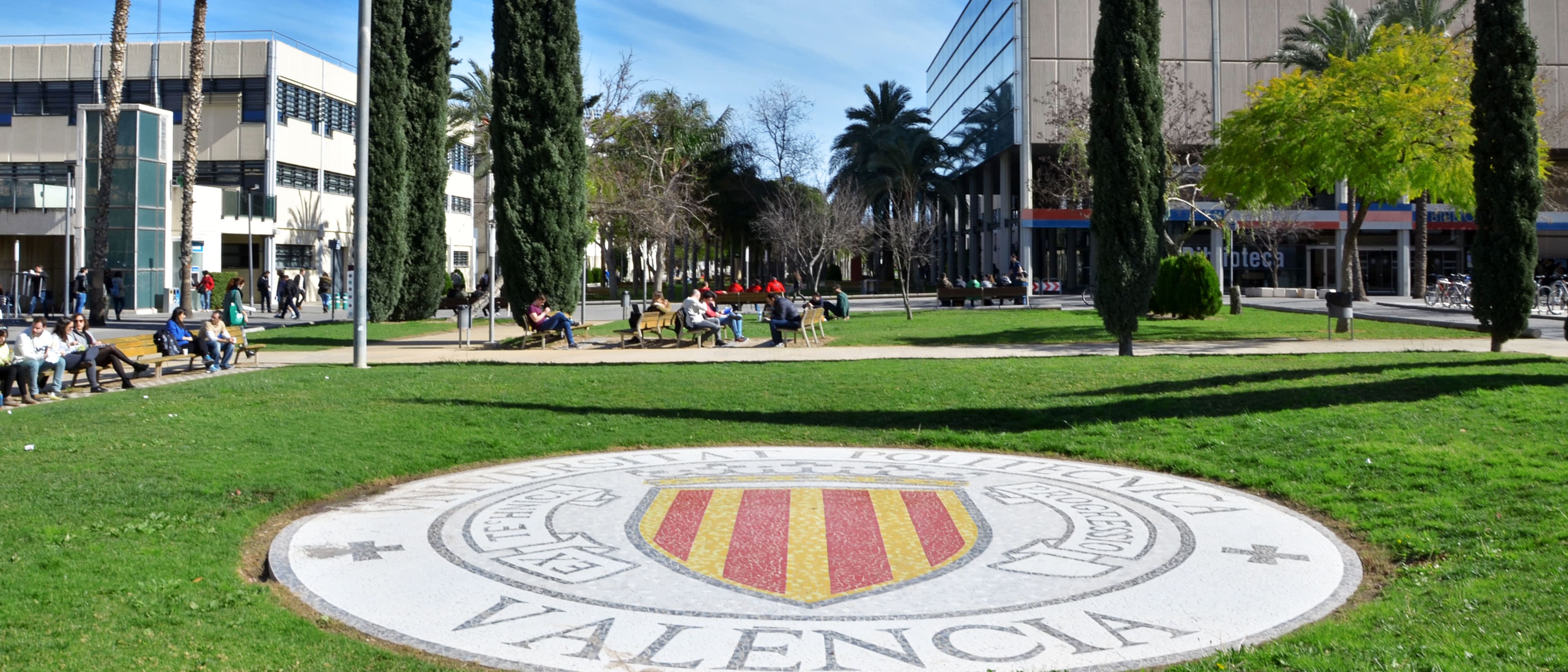
Universitat Politècnica de València (UPV)
Máster Universitario en Enología
- Valencia, Spain
Master degree
Full time
1 year
On-Campus
Spanish
The Máster Universitario en Enología at the Polytechnic University of Valencia is aimed at training professionals in wine production and processing, technicians and managers of companies in the sector, and future researchers and specialists in wine technology and innovation.
Best programs for you
Answer a few questions and we'll match you with programs!
Popular Food and Beverage Programs Food and Beverage Technology degree types
Popular study format
Learn more about Food and Beverage Technology Master's degree programs
Food and Beverage Technology at the Master's level offers an exciting opportunity to delve into the science and art of food production and distribution. This field, at the graduate level, emphasizes advanced research methodologies and industry practices to meet the evolving needs of the global food and beverage sector.
Through courses in food safety management, quality control, and sensory analysis, you'll enhance your expertise in creating and maintaining high standards in food products. Students build confidence as they engage with the diverse aspects of food technology, from developing sustainable practices to improving food processes and formulations. You'll also explore innovative packaging solutions and learn how to analyze market trends that influence consumer preferences.
Master's programs typically involve hands-on projects, where you can apply your knowledge in real-world settings through industry-linked research initiatives. Graduates often pursue roles in quality assurance, product development, or regulatory affairs, contributing to the ongoing advancement of food technology and safety practices.