Filters
Filters
- Masters
- Europe
- Sweden
- Engineering Programs
- Systems Engineering
Sort by
7 Systems Engineering Masters Degree Programs in Sweden

Promoted
Blekinge Institute of Technology
Master’s Programme in Machine Learning, Sensors and Systems (120 credits)
- Karlskrona, Sweden
Master degree
Full time
2 years
On-Campus
English
The Master’s programme in Machine Learning, Sensors and Systems equips you with advanced technical expertise, focusing on intelligent systems. The programme combines subjects from electrical engineering and computer science – a combination that is becoming increasingly important as technology grows more complex and integrated.

Promoted
KTH Royal Institute of Technology
MSc Systems, Control and Robotics
- Stockholm, Sweden
Master degree
Full time
2 years
On-Campus
English
The MSc Systems, Control and Robotics focuses on the analysis, design and control of robots, autonomous vehicles, and other complex technical systems. Graduates face interesting careers, often in the robotics and autonomous vehicles industry, or as PhD students.
KTH Royal Institute of Technology
MSc Software Engineering of Distributed Systems
- Stockholm, Sweden
MSc
Full time
2 years
On-Campus
English
The MSc Software Engineering of Distributed Systems provides knowledge for building distributed software applications that operate on various devices, from cloud servers to smartphones. Students will explore this rapidly evolving field through specialisation in software development or data analysis.
Chalmers University of Technology
MSc in Systems, Control and Mechatronics
- Gothenburg, Sweden
MSc
Full time
2 years
On-Campus
English
Gain the skills and competencies to prepare for a professional career focused on the engineering of complex, computer-controlled products and systems. With such systems already in great demand in a vast range of possible applications, the need for highly trained engineers like you is great. This MSc in Systems, Control and Mechatronics program will give you a broad systems engineering base, suited to the design and understanding of complex, computer-controlled products and systems.
Best programs for you
Answer a few questions and we'll match you with programs!
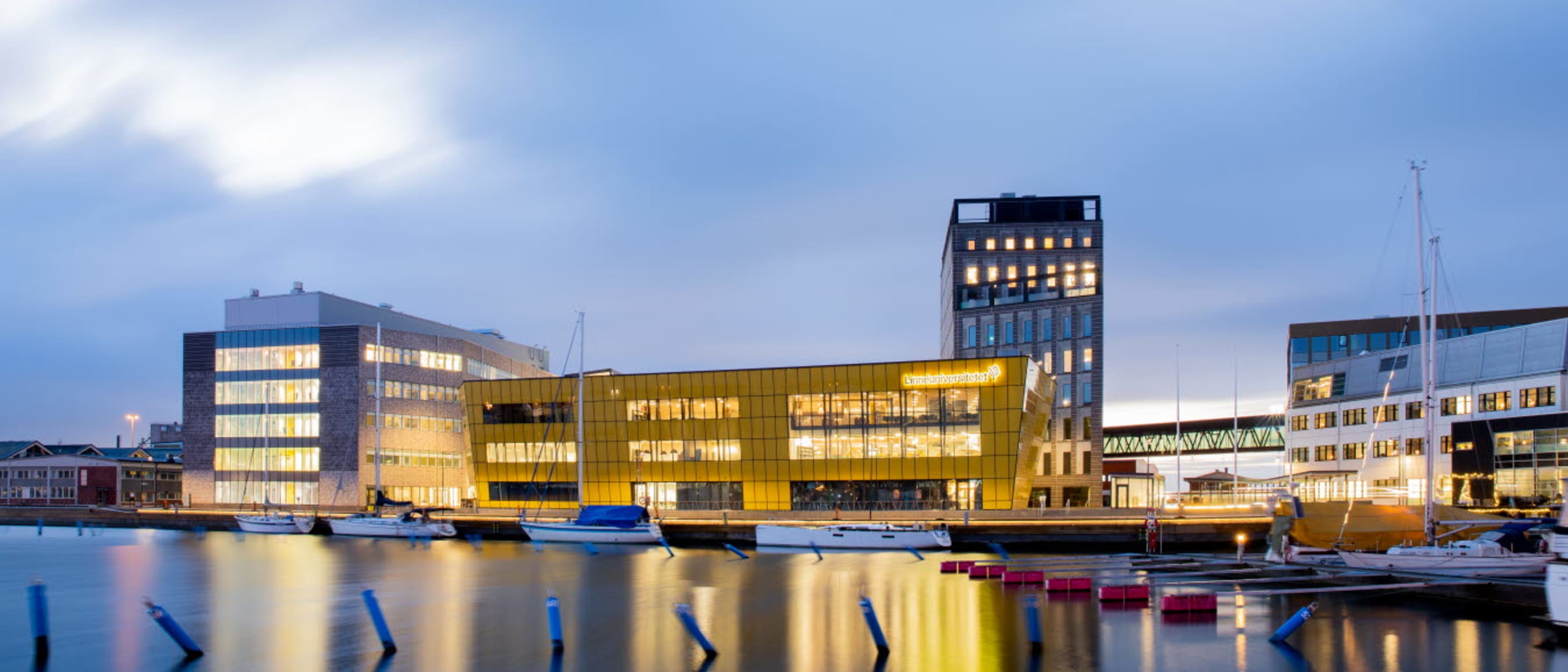

Linnaeus University
Master of Science in Sustainable Energy Technologies and Systems
- Växjö, Sweden
MSc
Full time
2 years
On-Campus
English
Renewable energy from wind, water, solar, and biomass plays an increasing role both nationally as well as internationally. If you hold a Bachelor's degree in engineering, you can attain insight into the potential of renewable energy processes and energy systems of the future.
KTH Royal Institute of Technology
MSc Communication Systems
- Stockholm, Sweden
MSc
Full time
2 years
On-Campus
English
The MSc Communication Systems focuses on wired and wireless network infrastructure, services and applications, and explores how the growth of the internet creates new business ideas and ventures. Graduates develop secure and sustainable systems and services for the next generation.
KTH Royal Institute of Technology
MSc Decentralized Smart Energy Systems (DENSYS)
- Stockholm, Sweden
MSc
Full time
2 years
On-Campus
English
The MSc Decentralized Smart Energy Systems (DENSYS) plays a vital part in the transition towards a low-carbon society by integrating renewable energy sources in the energy system. Students in the programme acquire skills to design, size, optimize and operate these energy systems.
Popular Engineering Programs Systems Engineering degree types
Popular study format
Learn more about Systems Engineering Masters degree programs in Sweden
Studying Systems Engineering at the Master's level in Sweden offers a unique approach that combines advanced technical and management skills. This discipline emphasizes the integration of complex systems, preparing you to tackle real-world challenges.
Through courses in systems modeling, optimization techniques, and project management, you'll gain the competencies needed for effective decision-making and problem-solving. You’ll delve into creating interoperability among various components in systems while focusing on efficiency and sustainability. Many students build confidence as they engage with new perspectives, learning to handle innovative technologies and methodologies within collaborative environments.
In Sweden, the educational system promotes experiential learning, often involving industry-linked projects that provide practical experience. This connection allows you to apply theoretical knowledge in real-world settings. Graduates are well-equipped for careers across various sectors, including manufacturing, IT, and energy, where their skills in systems integration and project coordination are highly valued on global platforms.