Filters
Filters
- Bachelors
- Social Science Programs
- International Cooperation
Sort by
3 International Cooperation Bachelors Degree Programs
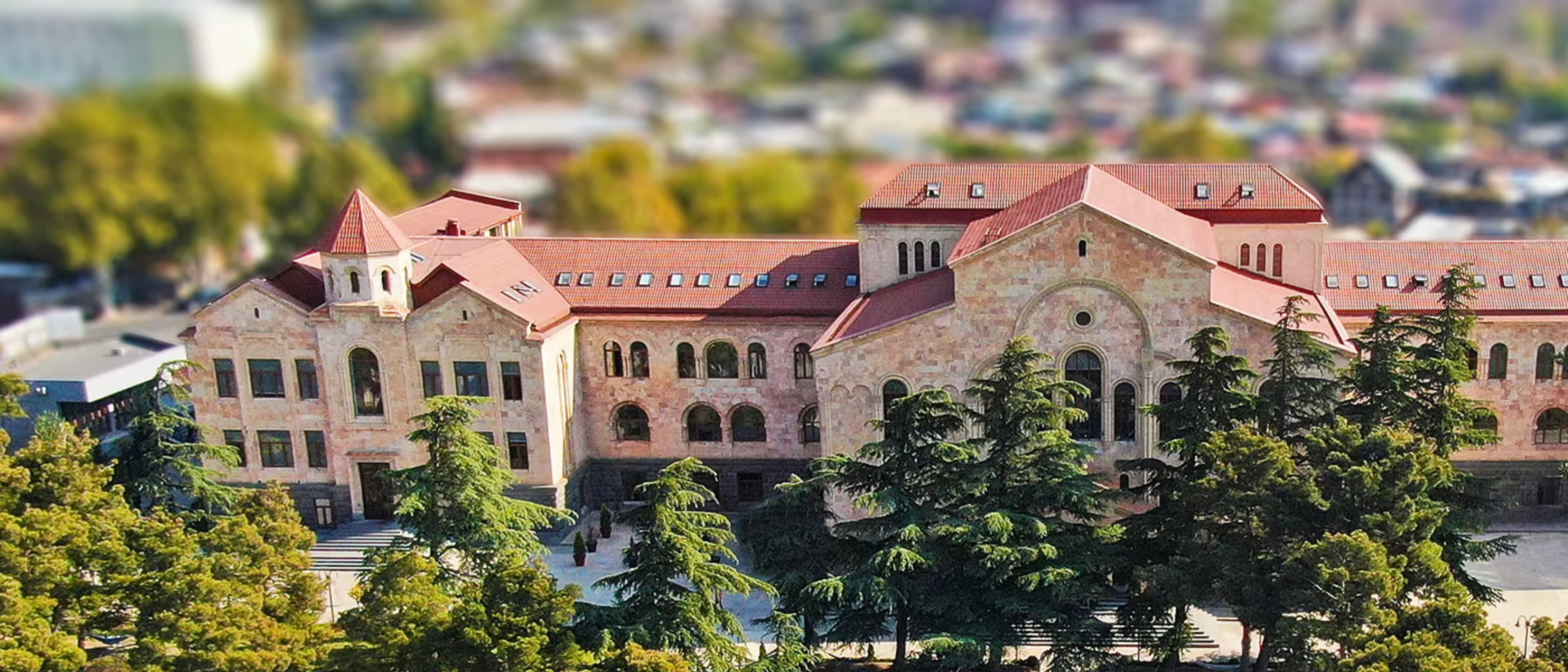

Caucasus University
Bachelor of International Relation
- Tbilisi, Georgia
Bachelor's degree
Full time
4 years
On-Campus
English
Caucasus School of Governance (CSG) offers state-of-the-art programs in International Relations and Public Administration at both the BA and MA levels, while from 2016 CSG also offers a Ph.D. program in International Relations. At the school, students gain extensive knowledge to become professional civil servants or international relations experts.


Universität des Saarlandes
Deutsch-Französische Studien: Grenzüberschreitende Kommunikation und Kooperation (B.A.)
- Saarland, Germany
BA
Full time
3 years
On-Campus
German, French
Best programs for you
Answer a few questions and we'll match you with programs!


Kyiv International University
Bachelor in International Relations
- Kyiv, Ukraine
Bachelor's degree
Full time
On-Campus
Ukrainian
The program provides professional training in international relations, public communications, and regional studies, focusing on the specialization on the study of international processes (cooperation, integration, international conflicts) and foreign policy of states.
Popular Social Science Programs International Cooperation degree types
Popular study format
Learn more about International Cooperation Bachelors degree programs
International Cooperation degree programs at the Bachelor's level provide a unique opportunity to tackle global challenges through collaborative efforts. This field trains students to understand complex international relations and develop essential competencies for effective communication and negotiation across cultures.
In your studies, you'll engage with key topics like global governance, conflict resolution, and humanitarian policy. Common courses include international law, diplomacy, and sustainable development, all designed to give you a strong foundation in the principles of international cooperation. The environment encourages independence and curiosity, as you analyze real-world case studies and participate in simulations.
As you move forward in the program, you'll refine technical skills essential for success, such as conducting cross-cultural communication strategies, evaluating international policies, and employing strategic analysis techniques. Graduates often pursue careers in non-profit organizations, government agencies, and international institutions, where they apply their knowledge to facilitate collaboration and sustainable solutions on a global scale.