Filters
Filters
- South America
- Brazil
- Business Programs
- Strategy
- On-Campus
Sort by
3 Strategy Degree Programs in Brazil


Business School Sao Paulo
MBA in Business Strategy
- São Paulo, Brazil
MBA
18 months
On-Campus
A program focus on developing and improving managerial skills with a functional specialization in organization strategy. Moreover, it grants the professional a deeper view on business


Unilasalle Canoas-RS & La Salle Business School
MBA Business Management: Strategy, Operation and Results
- Historical Centre, Brazil
Master degree
On-Campus
Portuguese
Contemporary challenges are opportunities for those who know how to combine knowledge with skills that are developed throughout life. The MBA Business Management: Strategy, Operation and Results will develop knowledge and skills for contemporary and differentiated business management, centered on the development of strategies for operational effectiveness and for the implementation of management models for results.
Best programs for you
Answer a few questions and we'll match you with programs!
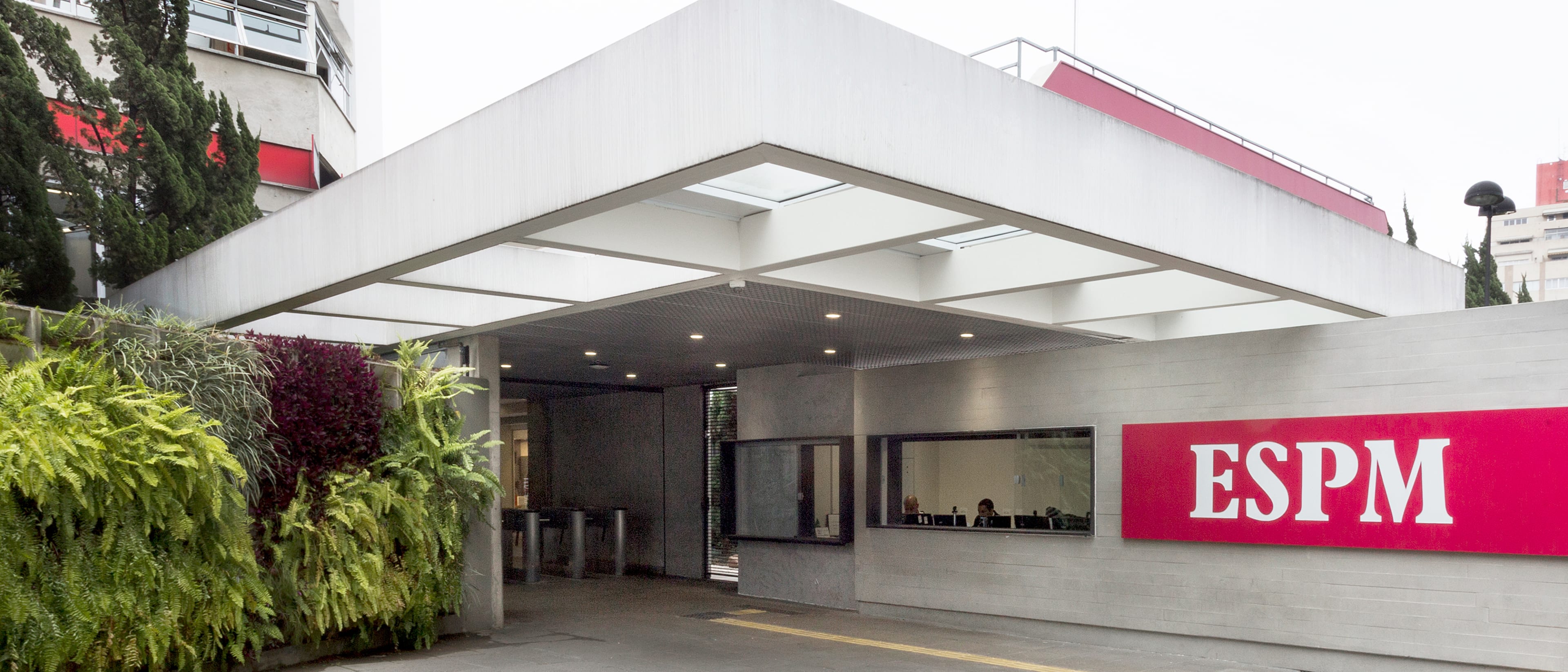

ESPM – Brasil
Post-Graduation in Innovation, Design and Strategy
- São Paulo, Brazil
Postgraduate Diploma
Part time
2 semesters
Distance Learning, On-Campus
Portuguese
Address the main fundamentals of innovation and design, based on market practices, for efficient decision-making. Explore techniques that awaken creative, innovative and systemic thinking for the development of service, product and business solutions; and encourage social skills for the world of work, such as non-violent communication and negotiation.
Popular Business Programs Strategy degree types
Popular study format
Learn more about Strategy degree programs in Brazil
Strategy programs are advantageous for individuals with outstanding coordinating and planning skills. Such a program can develop these skills further, teaching individuals about strategic decision making and management. Analysis, entrepreneurship and corporate strategy are topics that may be discussed.
Brazil offer a higher education that is partially financed for those students who would like to pursue advanced education. They must be aged between 18 and 35 years. This higher education system enables students to learn practical skills that enable them to face the 21st century challenges.