Filters
Filters
- Europe
- Germany
- General Programs
- Science Studies
Sort by
2 Science Studies Degree Programs in Germany

Hector Fellow Academy
Hector Fellow Academy - Ph.D. in STEM Subjects
- Karlsruhe, Germany
PhD
Full time
3 years
On-Campus
English
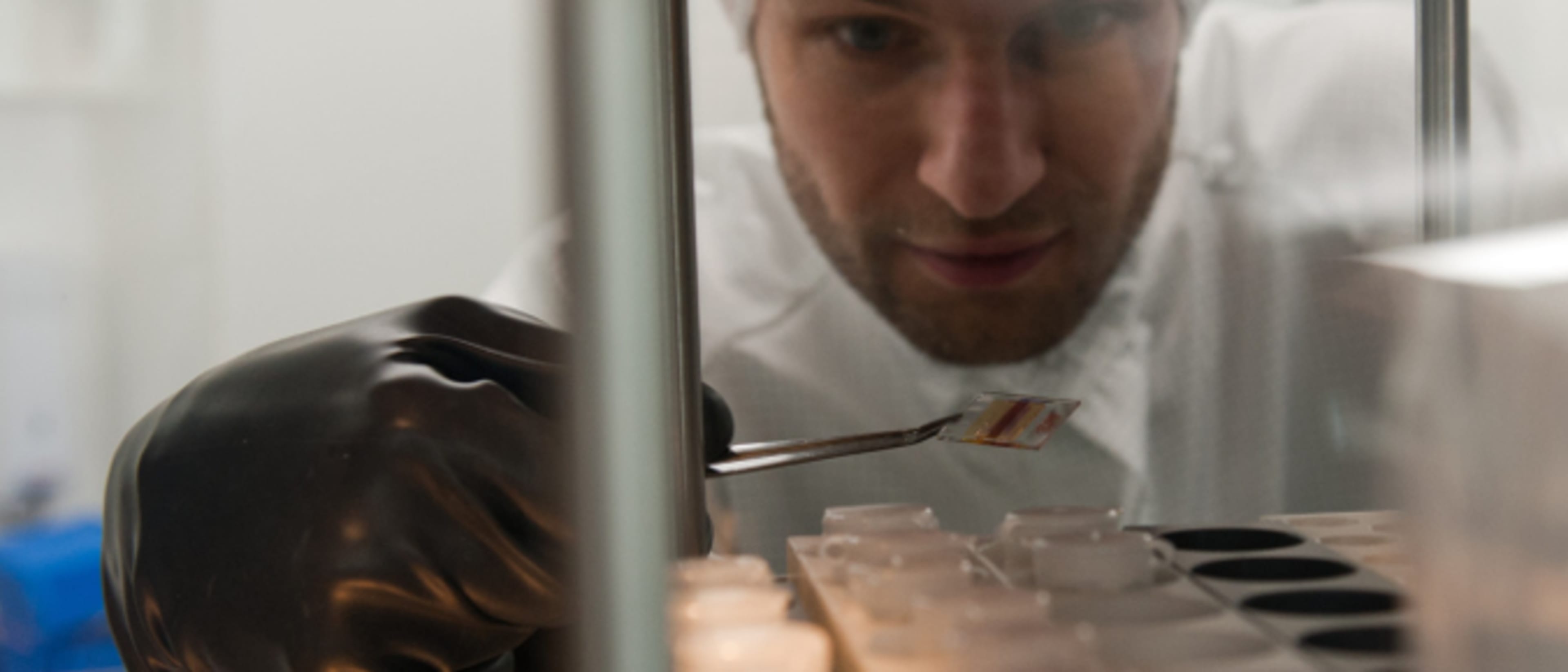
The HFA doctoral students are given the opportunity to benefit from the wealth of experience and outstanding expertise of their supervisor while building up a research network. It is possible to pursue a Ph.D. in various STEM-related subjects according to your previous academic background, such as engineering, informatics, natural sciences/mathematics, and psychology/medicine. Ph.D. students of the Hector Fellow Academy are employed as research assistants for a period of three years. The salary corresponds to the internal regulations at the University of the respective Hector Fellow.


Dresden International University
LL.M. in Medical Law
- Dresden, Germany
LLM
On-Campus
English
The advanced medical law master's degree at Dresden International University is interdisciplinary in the best sense of the word: doctors, business economists, lawyers, insurance clerks and public health managers discuss and learn together on an equal footing.
Best programs for you
Answer a few questions and we'll match you with programs!
Popular General Programs Science Studies degree types
Popular study format
Learn more about Science Studies degree programs in Germany
Pursuing a science degree in Germany opens the door to a wide range of opportunities in an environment that values research and innovation. With a strong tradition of academic excellence, you'll engage in rigorous study that equips you with both theoretical knowledge and practical skills.
Through courses in biology, chemistry, physics, and environmental science, you'll master critical techniques such as conducting advanced experiments, analyzing data, and utilizing modeling tools. Many programs emphasize research, allowing you to work on real-world projects that could impact various industries. Students enhance adaptability as they explore new ideas in collaborative environments that build confidence and teamwork.
The approach to education in Germany often includes laboratory work and field studies, helping you apply your learning to authentic contexts. Graduates frequently find roles in healthcare, biotechnology, environmental consulting, and pharmaceuticals, among other fields. With a focus on developing problem-solving skills and industry-relevant expertise, a science degree from Germany positions you well for a global career.