Filters
Filters
- Masters
- MSc
- Europe
- Lithuania
- Life Sciences Programs
- Biotechnology
Sort by
2 Biotechnology MSc Degree Programs in Lithuania
Kaunas University of Technology
Master in Industrial Biotechnology
- Kaunas, Lithuania
MSc
Full time
2 years
On-Campus
English
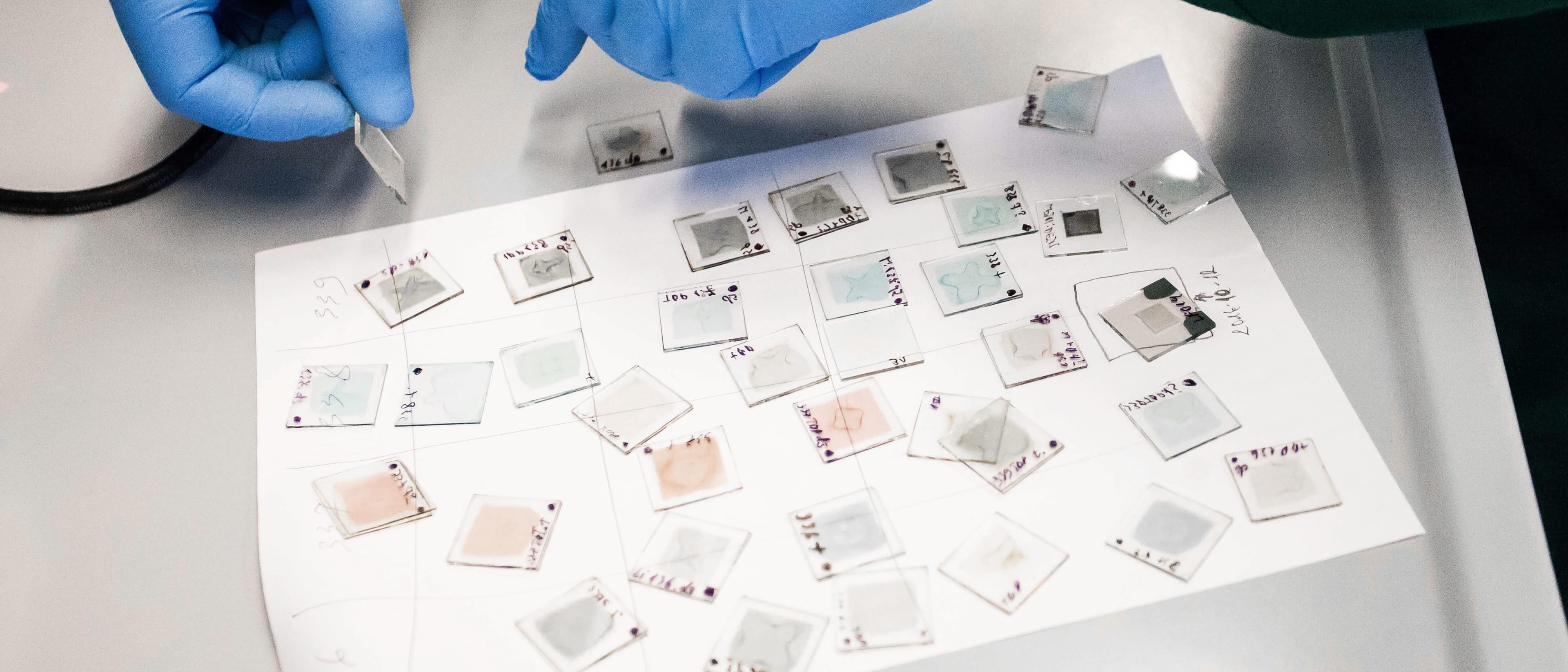
With the increasing need for “green” industrial processes that would be both cost-efficient and sustainable, the contemporary world relies on industrial biotechnology experts more than ever. KTU’s master study programme in Industrial Biotechnology focuses on new research areas, which are bridging the competencies’ gap between different science and industry fields: production of bioproducts, synthesis of biologically active compounds, enzyme technology, bioprocess engineering, environmental biotechnology, renewable technology.


Vytautas Magnus University
Master in Biotechnology and Pharmaceutical Analysis
- Kaunas, Lithuania
MSc
Full time
2 years
On-Campus
English
The aim of the program “Biotechnology and Pharmaceutical Analysis” is to prepare highly qualified biotechnology specialists with knowledge of biotechnology and pharmaceutical analysis, able to develop, optimize and implement fermentation processes, and genetic engineering technologies, analyze and optimize separation and purification processes, able to properly perform qualitative and quantitative evaluation of analytes or continue doctoral studies.
Best programs for you
Answer a few questions and we'll match you with programs!
Popular Life Sciences Programs Biotechnology degree types
Popular study format
Learn more about Biotechnology MSc degree programs in Lithuania
A Master's degree in Biotechnology in Lithuania offers a unique opportunity to engage with advanced techniques used in health, agriculture, and environmental management. You'll find a vibrant academic environment focusing on practical training and cutting-edge research, giving you a solid foundation in this exciting field.
As a student in this program, you'll explore areas such as genetic engineering, bioprocessing, and bioinformatics. You’ll gain hands-on experience in lab settings, honing skills like developing biopharmaceuticals, optimizing fermentation processes, and analyzing biological data. The curriculum integrates theory with practice through project-based learning, encouraging you to apply knowledge to real-world challenges.
The culture fosters independence and innovation, helping students build confidence in tackling complex projects throughout their studies. Graduates often pursue careers in pharmaceutical companies, agricultural firms, or research institutions, contributing to solutions in health and sustainability. This international perspective prepares you to work effectively in diverse settings, enhancing your adaptability and marketability in the global job market.