Filters
Filters
- Masters
- Master degree
- Europe
- Natural Sciences Programs
- Spatial Science
Sort by
5 Spatial Science Master's Degree Programs in Europe

Promoted
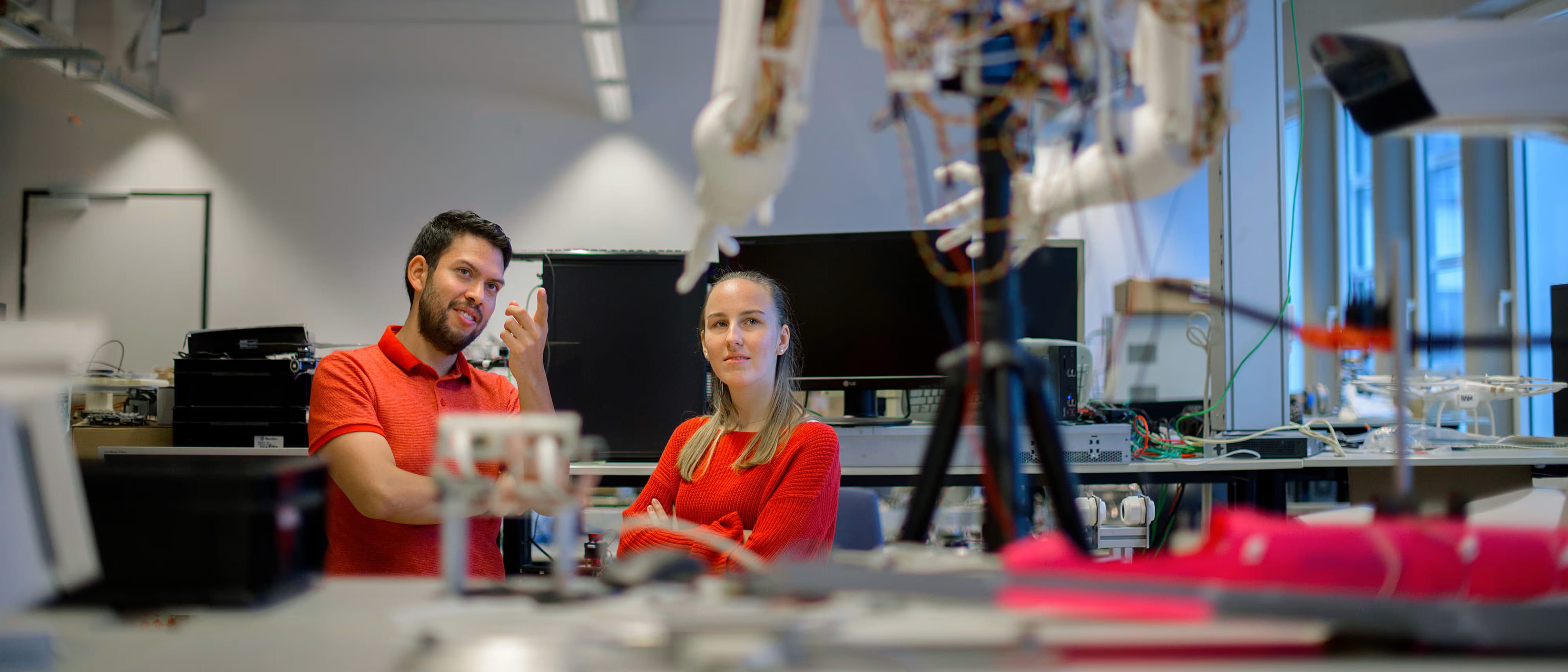
University of Twente
Master of Spatial Systems & Society
- Enschede, Netherlands
Master degree
Full time
2 years
On-Campus
English
Tackle large-scale, complex, societal challenges with the use of spatial data. Natural disasters, poverty, food shortage, epidemics, and climate change; are the greatest challenges society is facing today and are characterized by enormous complexity. These so-called wicked problems are impossible to solve in a way that is simple or final.
University of Groningen
Fast-track counseling
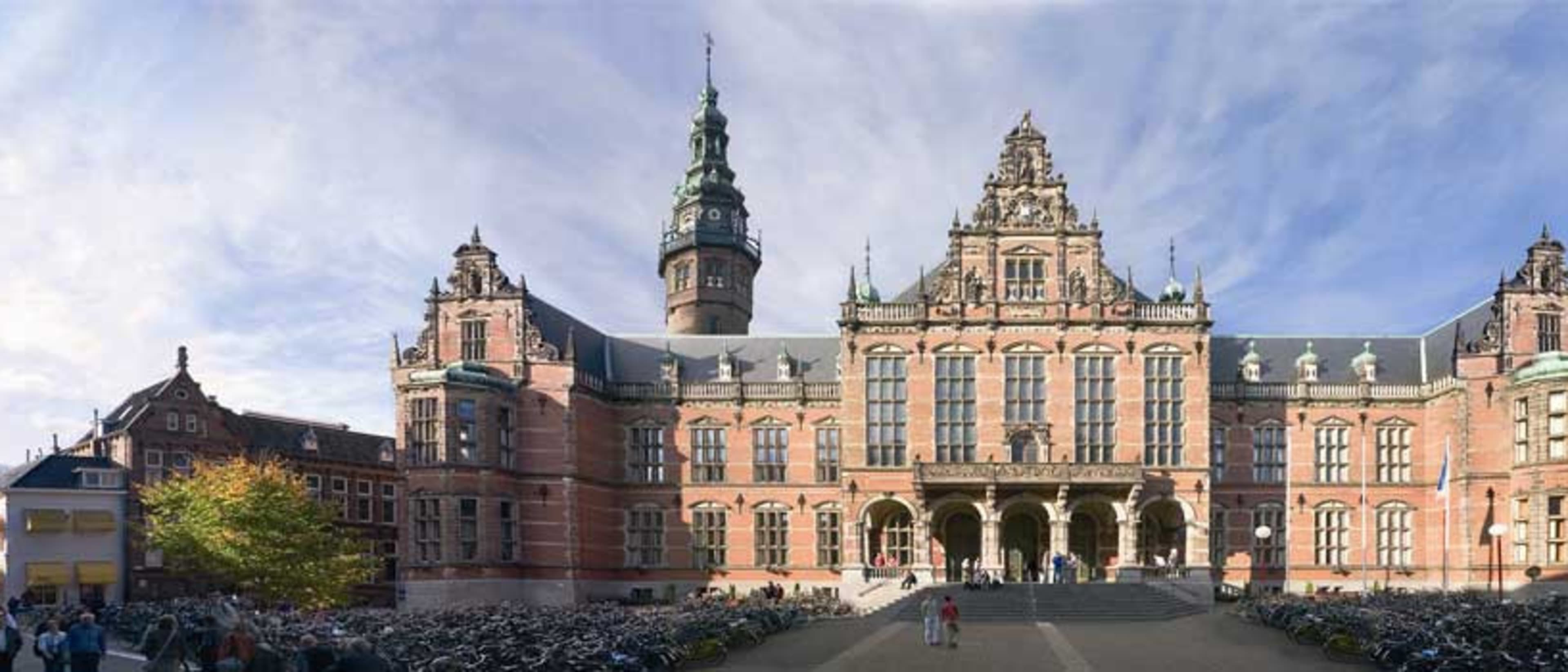
Master in Designing Spatial Transformations
- Groningen, Netherlands
Master degree
Full time
12 months
On-Campus
English
Fast-track counseling
The Designing Spatial Transformations track in the Master in Designing Spatial Transformations at the Faculty of Spatial Sciences offers you the tools and knowledge to address complex spatial challenges. Graduates are equipped to design intelligent interventions and co-design proposals with stakeholders, addressing multifaceted challenges in urban and rural settings.
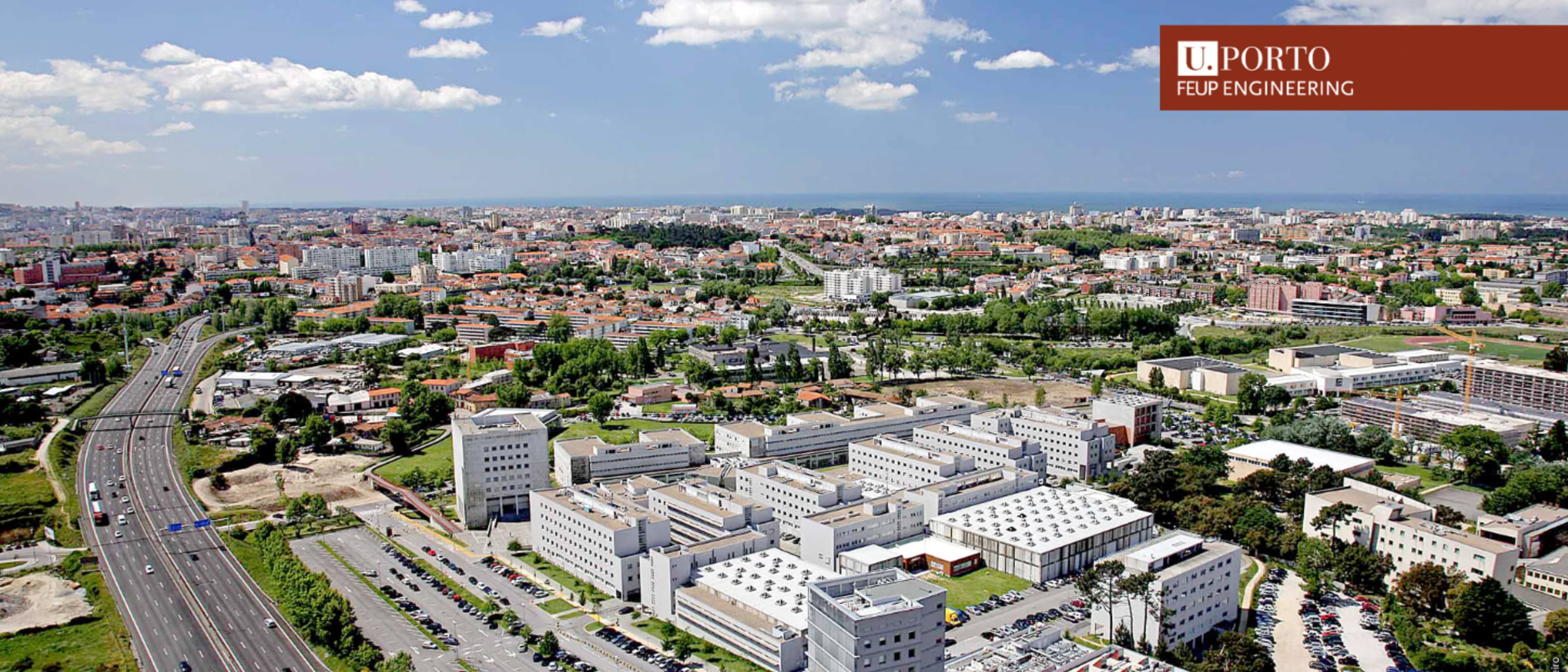
Faculty of Engineering of the University of Porto
Fast-track counseling
Master in Spatial Planning and Urban Project
- Porto, Portugal
Master degree
Full time, Part time
2 years
On-Campus
English, Portuguese
Fast-track counseling
The Programme, shared by the Faculty of Engineering and the Faculty of Architecture, both from the University of Porto, benefits from the sharing experience in previous years between the two institutions and aims to provide students a theoretical and practical experience for a deeper professional practice, beyond international borders, providing a variety of topics in the areas of planning, management, and urban policy in medium and large agglomerations.
Best programs for you
Answer a few questions and we'll match you with programs!
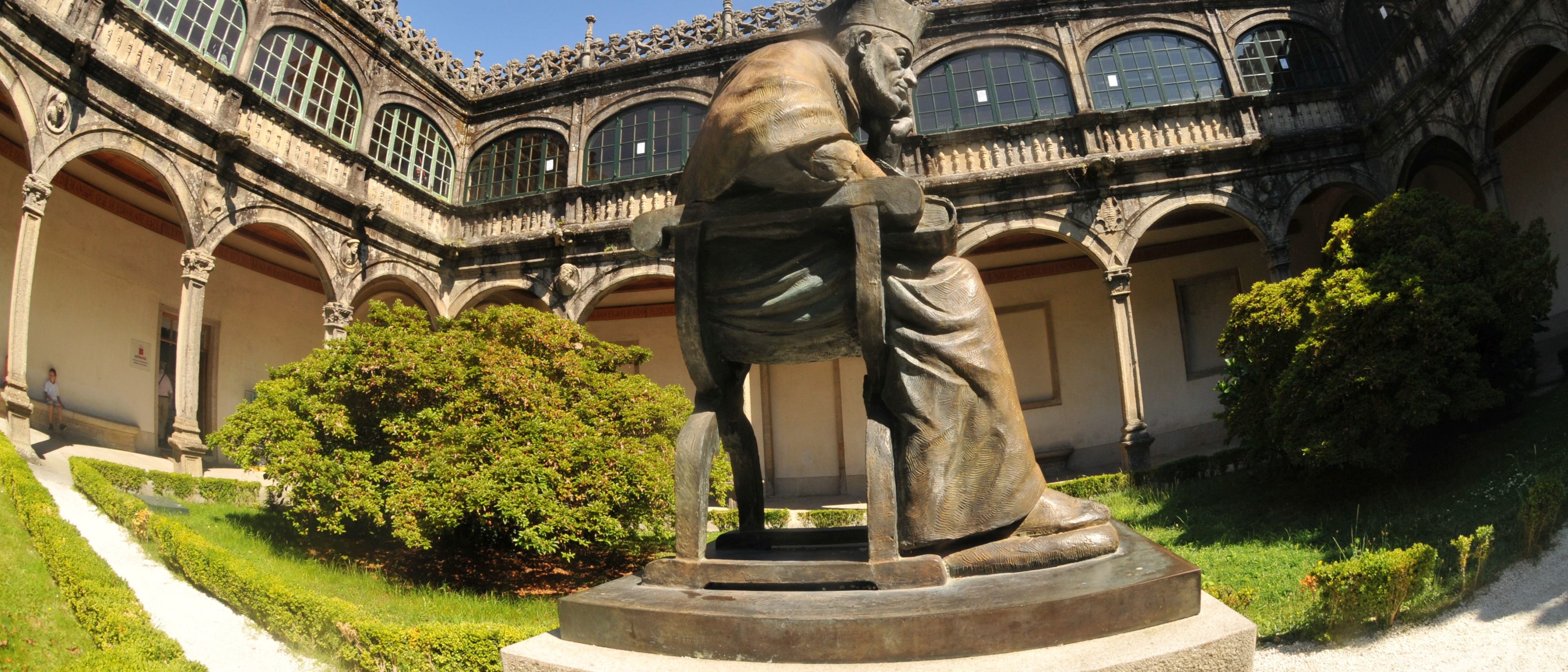

Universidade Santiago de Compostela
University Master's Degree in Planning and Territorial Management (Lugo Campus)
- Lugo, Spain
Master degree
Full time, Part time
1 year
On-Campus
Spanish, Galician
The objective of the course is to train specialists to carry out studies of the territory that serve as a basis for territorial planning in terms of territorial sustainability, as well as natural resources, particularly soil as a scarce resource, by the Administrations and the company.
Universidade Santiago de Compostela
Master's Degree in Planning and Territorial Management (Santiago Campus)
- Santiago de Compostela, Spain
Master degree
Full time
1 year
On-Campus
Spanish, Galician
This master's degree aims to train specialists in planning and managing the territory from a multi-scale perspective, covering urban, rural, peri-urban and natural spaces. Its objective is to transmit the necessary skills so that its graduates are capable of leading work teams for territorial planning and urban planning. This entails the preparation of planning documents (binding or indicative) and the design of participatory processes in line with territorial development. It starts from a resolutely multidisciplinary approach and pays special attention to the sustainability of the territory in its environmental, economic and socio-cultural dimensions.
Popular Natural Sciences Programs Spatial Science degree types
Popular study format
Popular locations
Learn more about Spatial Science Master's degree programs in Europe
A Master's degree in Spatial Science in Europe focuses on the analysis and management of geographic information systems, remote sensing, and spatial data. This field combines technical skills with applied research to address real-world challenges in urban planning, environmental monitoring, and transportation.
Through advanced coursework, students delve into topics like geospatial analysis, land use modeling, and data visualization. You'll practice using cutting-edge software to create 3D models, conduct spatial analyses, and manage big data for effective decision-making. Many students build confidence as they engage with interdisciplinary projects, collaborating with peers from diverse backgrounds to develop innovative solutions.
European institutions emphasize research and practical experience, often partnering with industry leaders to ensure relevance. Graduates emerge with skills that are globally applicable, preparing them for roles like geospatial analyst, urban planner, or remote sensing specialist. This education fosters critical thinking and enhances adaptability, making you well-equipped for a dynamic career in spatial science.