Filters
Filters
- Masters
- Master degree
- Asia
- Social Science Programs
- International Cooperation
Sort by
2 International Cooperation Master's Degree Programs in Asia
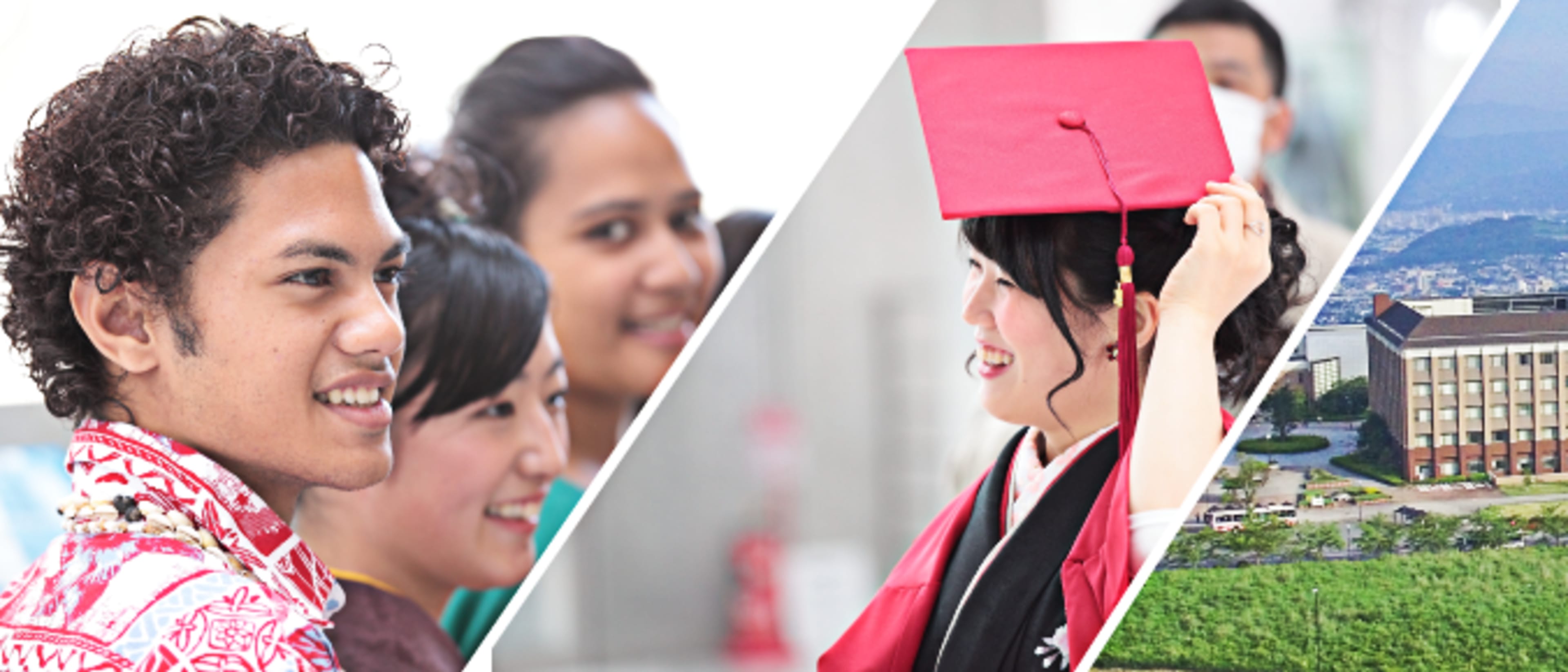

Ritsumeikan Asia Pacific University (APU)
Master’s in International Cooperation Policy
- Beppu, Japan
Master degree
Full time
2 years
On-Campus
English
The Asia Pacific region and the international community as a whole are facing many urgent issues which need to be addressed in order to ensure equitable development and a livable environment. The social science program offers students a curriculum which is policy-oriented and practical.

Setsunan University
Master's Course Division of International Languages and Cultures
- Hirakata, Japan
Master degree
On-Campus
Today's world is entering an era of interdependence. Japan is a part of this system of global cooperation. However, it is also an era of wars, political strife, and many economic and environmental problems that cause disruption of societies' well-being. In order to deal with this complex international environment, there is a need for people trained in international affairs. This faculty hopes to equip people with the understanding of other cultures and languages necessary to meet future challenges. In the future, Japan will continue to be deeply involved with both the West and Asia. Knowledge of the languages and cultures of both these areas will become increasingly important. In response to these future needs, the faculty has attempted to structure its curriculum around the study of these two areas.
Best programs for you
Answer a few questions and we'll match you with programs!
Popular Social Science Programs International Cooperation degree types
Popular study format
Popular locations
Learn more about International Cooperation Master's degree programs in Asia
Studying International Cooperation at the Master's level in Asia offers a unique perspective on global challenges and collaborative solutions. This field equips you with essential skills to navigate complex international relations and foster sustainable partnerships across nations.
In these programs, you'll explore topics like governance, conflict resolution, and humanitarian aid delivery. You'll gain practical experience through simulations, case studies, and team-based projects that mirror real-world challenges. Such engaging approaches help you build confidence as you develop strategies for effective cooperation. Students often enhance their understanding of cross-cultural communication and negotiation techniques, crucial for working in diverse environments.
The academic environment in Asia fosters independent thinking and collaborative learning. Graduates pursue various career paths in international organizations, non-profits, or governmental agencies. The region’s emphasis on diplomacy and economic integration provides ample opportunities for impactful careers globally. You'll learn to analyze global issues critically, making your skills and insights valuable in an interconnected world.