Filters
Filters
- Masters
- Master degree
- Education Programs
- Interdisciplinary Study
Sort by
3 Interdisciplinary Study Master's Degree Programs

Promoted
Roma Tre University
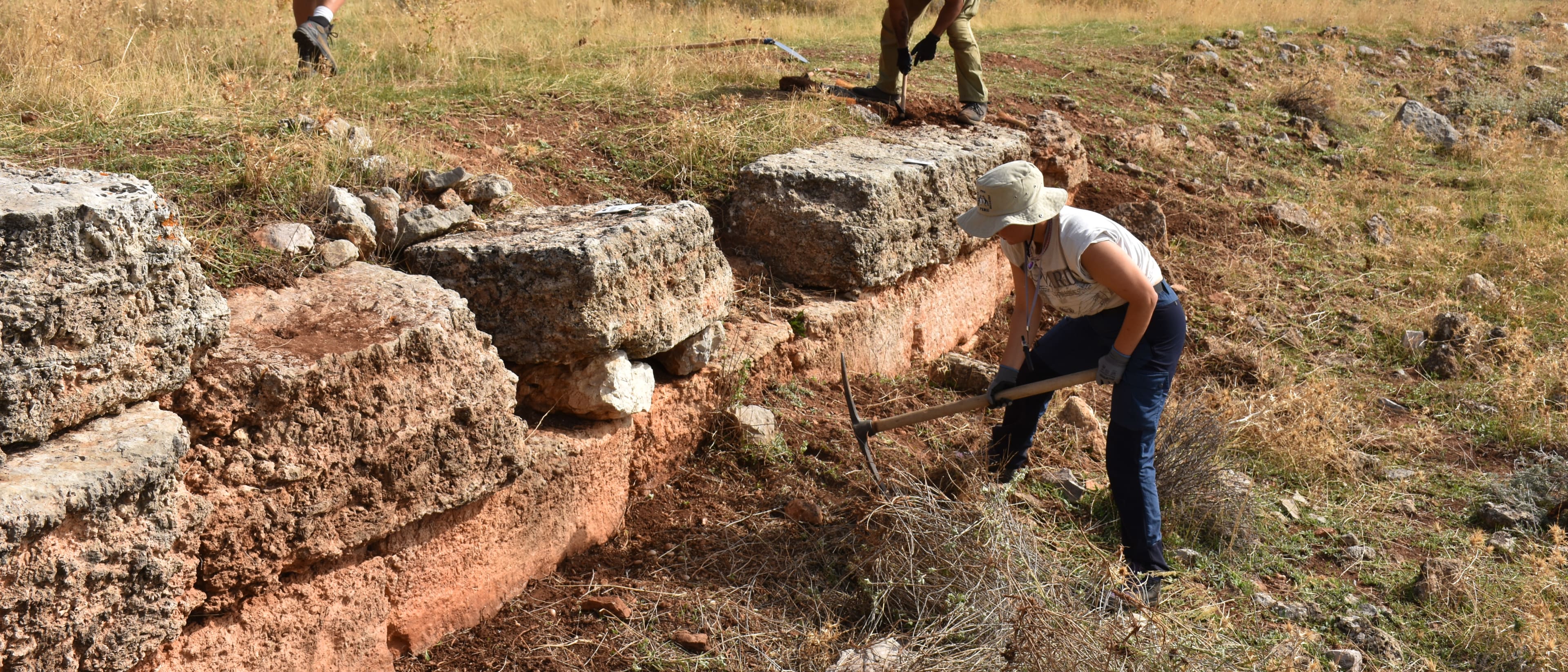
Master in Field Archaeology in Greece: Interdisciplinarity and Cutting-edge Technologies
- Rome, Italy
Master degree
Full time
2 years
On-Campus
English, Italian
The double degree program "Field Archaeology in Greece: interdisciplinarity and cutting-edge technologies", offered in collaboration with the University of Thessaly, focuses on combining cultural heritage studies with science and technology during training for meaningful interdisciplinary collaboration.

Universidade Santiago de Compostela
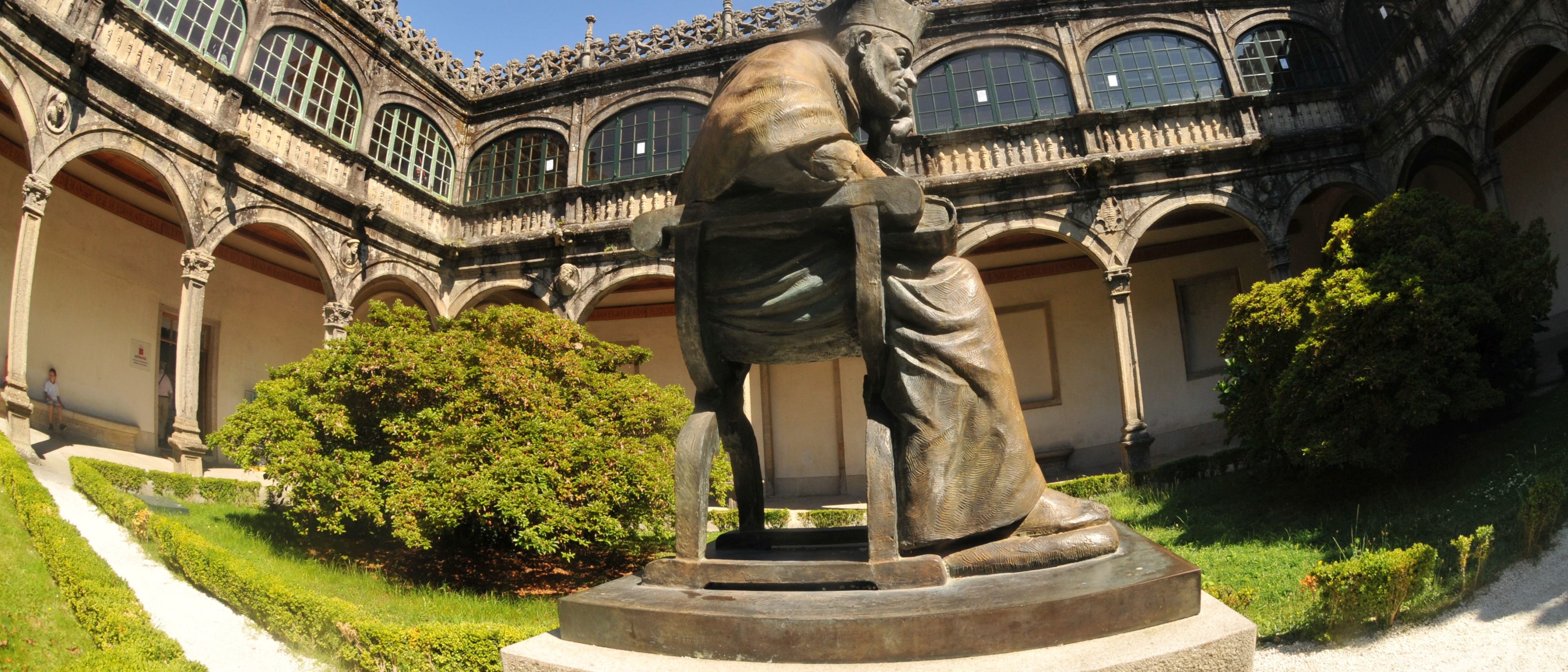
Master's Degree in Management of Educational Activities in Nature
- Lugo, Spain
Master degree
Full time, Part time
1 year
On-Campus
Spanish, Galician
The objective of the course is to train educators and teachers in the pedagogical senior management of activities related to leisure time, the outdoors and contact with nature.


Charles Darwin University
Master by Research (RMRS01 - 2025)
Master degree
Full time
On-Campus
English
The Master by Research program is designed for students who want to focus deeply on a specific subject or problem. It offers an opportunity to develop advanced research skills and produce original wor...
Best programs for you
Answer a few questions and we'll match you with programs!
Popular Education Programs Interdisciplinary Study degree types
Popular study format
Learn more about Interdisciplinary Study Master's degree programs
Interdisciplinary Study Master's programs combine diverse academic fields to create versatile graduates capable of tackling complex issues. This unique degree level allows you to explore various disciplines and gain a holistic understanding that fits today’s interconnected world.
As a student in an Interdisciplinary Study program, you'll engage with topics ranging from ethics to technology integration, acquiring skills like conducting cross-disciplinary research and applying theoretical frameworks to real-world problems. The focus on collaboration fosters critical thinking as students explore multiple perspectives, enhancing creativity and problem-solving abilities. This environment encourages independence as you navigate different fields and synthesize knowledge.
Moreover, coursework typically includes project-based collaborations, where you design and implement comprehensive studies addressing global challenges. Graduates often pursue careers in policy-making, sustainable development, or education, with employers seeking individuals capable of bridging gaps between traditional disciplines. You'll emerge well-prepared to lead initiatives across various sectors, equipped with the skills needed for impactful careers.