Filters
Filters
- Masters
- Master degree
- Africa
- Humanities Programs
- Divinity
Sort by
2 Divinity Master's Degree Programs in Africa

Promoted
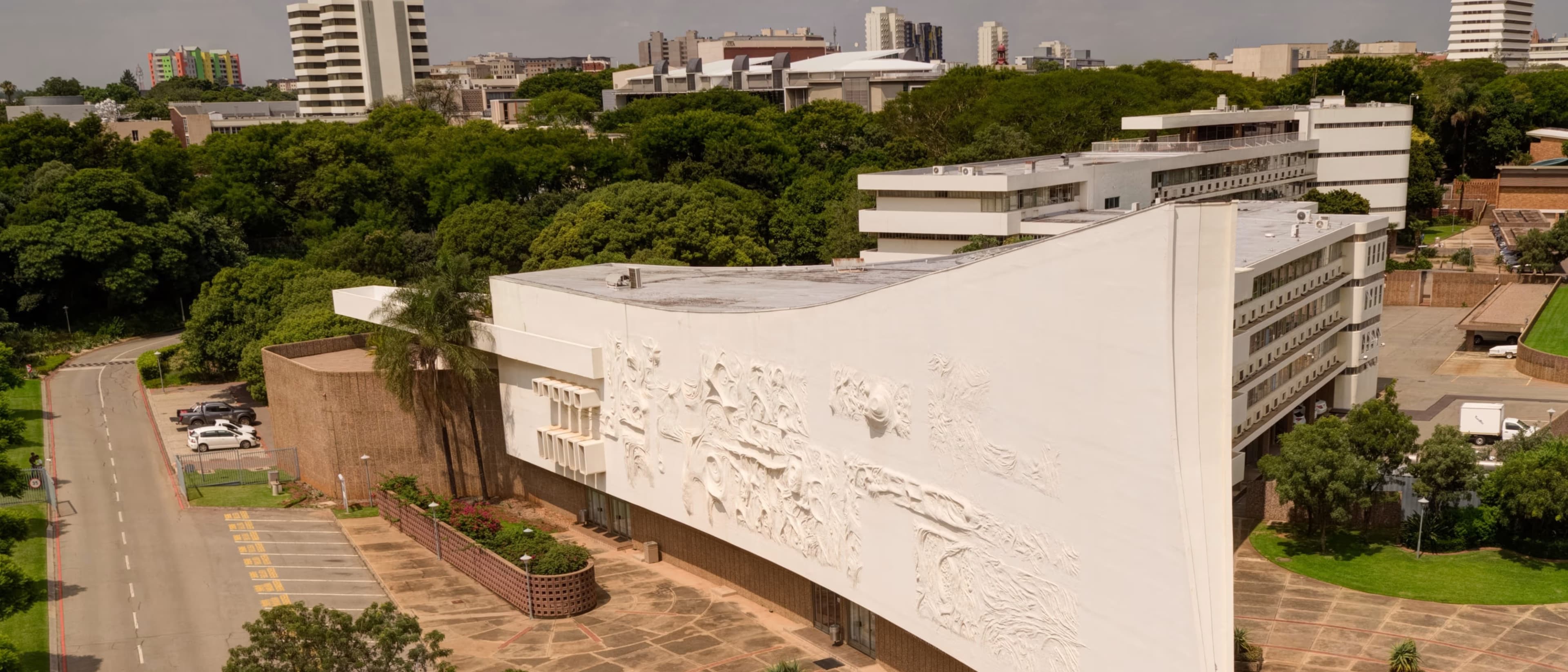
University of Pretoria - Faculty of Theology and Religion
Mdiv
- Pretoria, South Africa
Master degree
Full time
1 year
On-Campus
English
The MDiv builds on the BDiv Program or the previously four year BTh Program. It is a coursework master’s degree Program in general theology covering all six theological disciplines. It aims to offer advanced theological knowledge and practical skills that will meet the needs of the ministry of the Word.
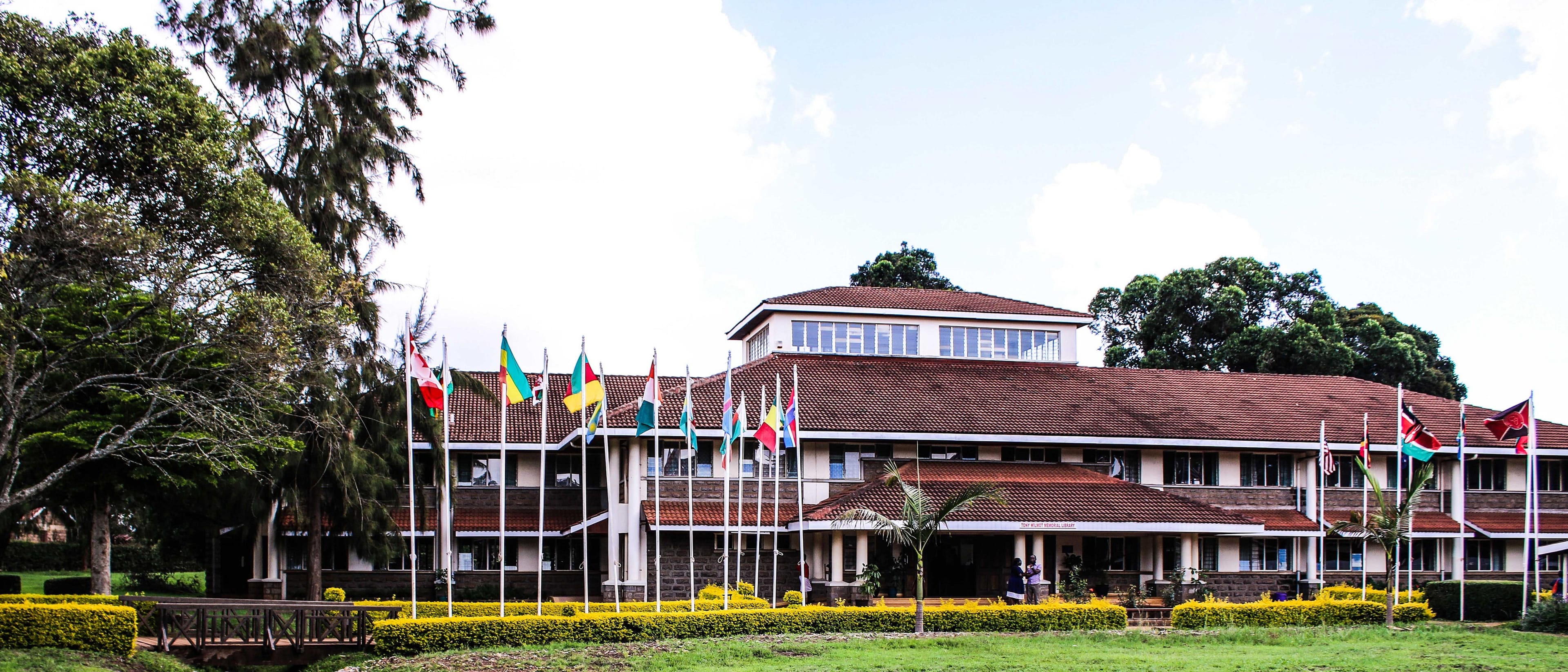

Africa International University
Master of Divinity
- Nairobi, Kenya
Master degree
Full time
3 years
On-Campus
English
This is a 3-year program designed to provide integrated training for those entering the pastorate in diverse situations, including missionary service, church education ministries, teaching in theological institutions and other related types of Christian service. The program draws from various divisions of the theological disciplines, thus allowing the program to give the student the option to concentrate on one area of emphasis or specialization. Students in the program can pursue any one of the following emphases: Biblical Studies, Christian Education, Church History, Missions, Pastoral, Theological and Translation Studies. On the other hand, a student can pursue a general area of study without taking any emphasis.
Popular Humanities Programs Divinity degree types
Popular study format
Popular locations
Learn more about Divinity Master's degree programs in Africa
Divinity degree programs at the Master's level in Africa offer a unique opportunity to deepen your understanding of spiritual practices, ethical leadership, and cultural contexts within various communities. These programs draw on the continent's rich historical and religious diversity, equipping you to engage with global spiritual discourse.
In your studies, you'll explore courses like Biblical interpretation, theology in a contemporary context, and ethics in religious leadership. You'll also develop competencies in community engagement and pastoral counseling, addressing local and global socio-religious issues. The curriculum often emphasizes practical applications, allowing for experiential learning through community service and internships that build your real-world impact.
Students strengthen adaptability as they engage with new perspectives on faith and society, enhancing their ability to lead within diverse communities. Graduates often find fulfilling careers in religious institutions, non-profit organizations, or academic fields, contributing to a broader understanding of spirituality in a globalized world. With such a foundation, you’re well-prepared to make a meaningful difference in the lives of others.