Filters
Filters
- Masters
- Master degree
- Healthcare Programs
- Diagnostics
Sort by
2 Diagnostics Master's Degree Programs

Promoted
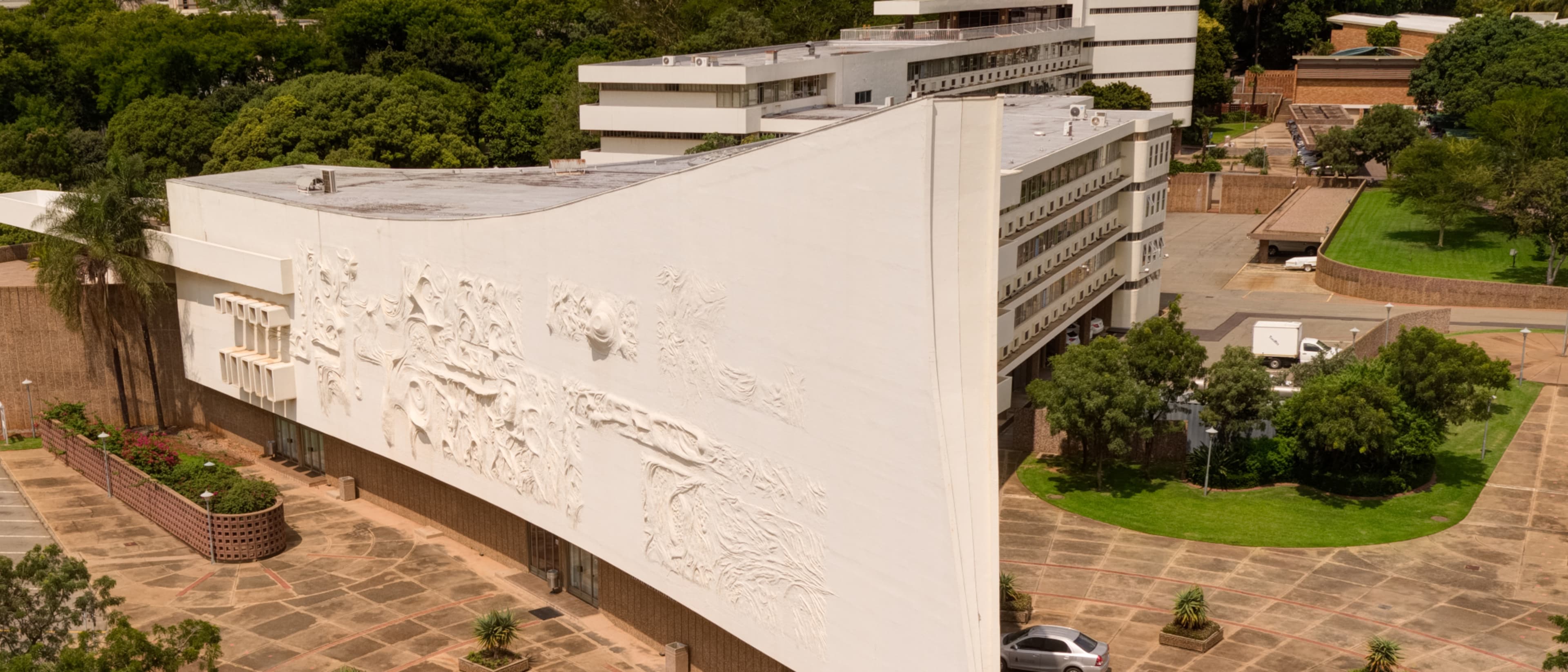
University of Pretoria - Faculty of Veterinary Science
MMedVet Clinical Laboratory Diagnostic (Coursework)
- Pretoria, South Africa
Master degree
Full time
3 years
On-Campus
English
Advanced training in veterinary clinical laboratory diagnostics including theoretical as well as practical knowledge of clinical biochemistry, clinical endocrinology, haematology, cytology, capita selecta aspects of: diagnostic bacteriology; diagnostic virology; diagnostic immunology; diagnostic protozoology; diagnostic toxicology and diagnostic parasitology; quality control; applied biometry; electronics/optics of laboratory equipment, and computer use.


University of Torino
Fast-track counseling
Master in Biotechnological and Chemical Sciences in Diagnostics
- Turin, Italy
Master degree
Full time
2 years
On-Campus
English
Fast-track counseling
The Master’s degree in Biotechnological and Chemical Sciences in Diagnostics is an innovative educational offer aimed at training a professional figure of researcher/biomedical operator who will acquire advanced multidisciplinary skills and competences in both in vitro and in vivo diagnostic field.
Popular Healthcare Programs Diagnostics degree types
Popular study format
Popular locations
Learn more about Diagnostics Master's degree programs
You'll find that Master's degree programs in Diagnostics delve into advanced techniques for identifying diseases and conditions. The field is essential for improving patient outcomes and enhancing healthcare delivery through precision and innovation.
Through courses in medical imaging technology, laboratory analysis, and diagnostic procedures, you’ll gain in-depth knowledge of tools and methods for accurate assessments. Students enhance critical thinking skills as they engage with case studies, lab work, and collaborative projects that reflect real-world scenarios.
A focus on data interpretation and diagnostics enables you to develop competencies in utilizing advanced diagnostic equipment and interpreting complex data sets. Graduates often pursue careers in clinical laboratories, medical imaging centers, or research institutions. They play vital roles in enhancing diagnostic accuracy and improving patient care standards.
In this dynamic field, the academic experience fosters independence and curiosity, preparing students to be leaders in healthcare diagnostics.