Filters
Filters
- Economics Programs
- Environmental Economics
Sort by
68 Environmental Economics Degree Programs
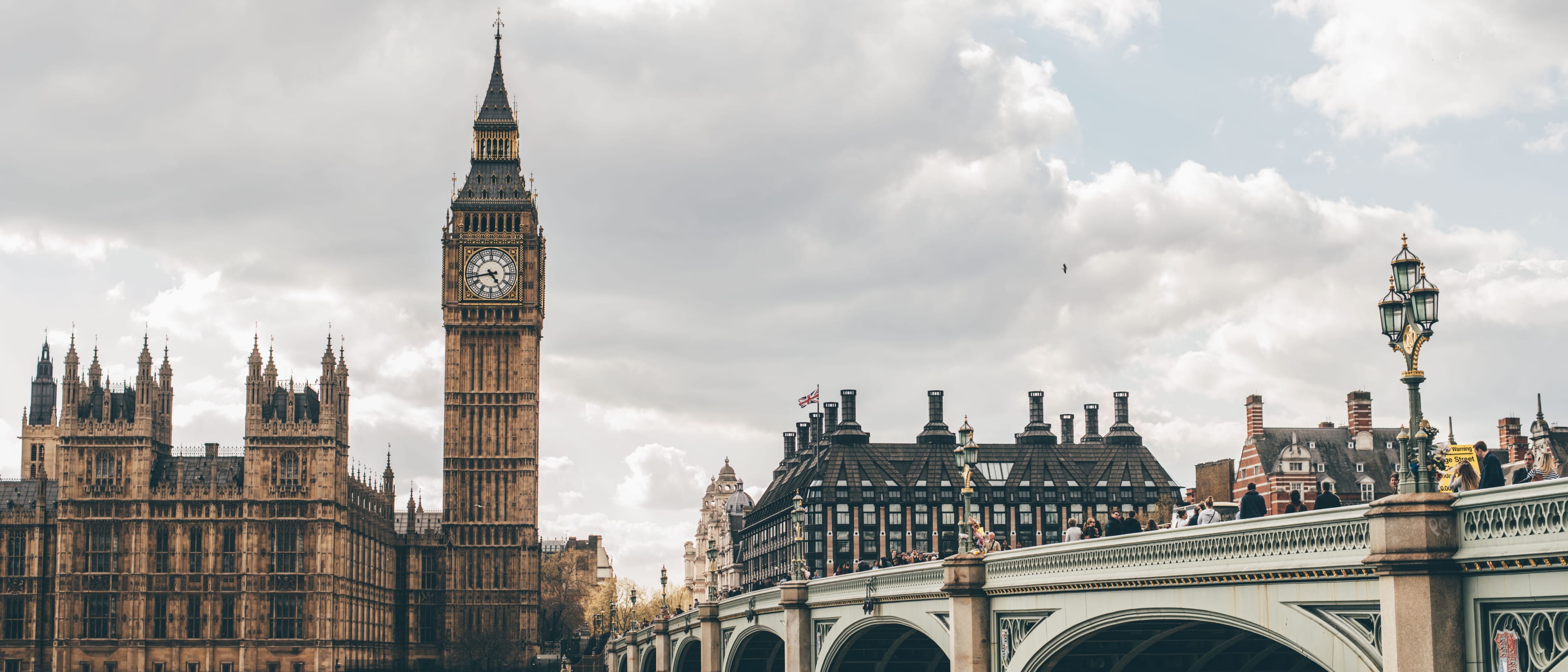

Schumacher College
MA Economics for Transition
MA
Full time, Part time
On-Campus
English
There is an urgent need for a radical rethink of our economic system. We need new thinking and new models that recognise the challenges we face now, rather than blindly following the path that has led us into the converging crises we now face.
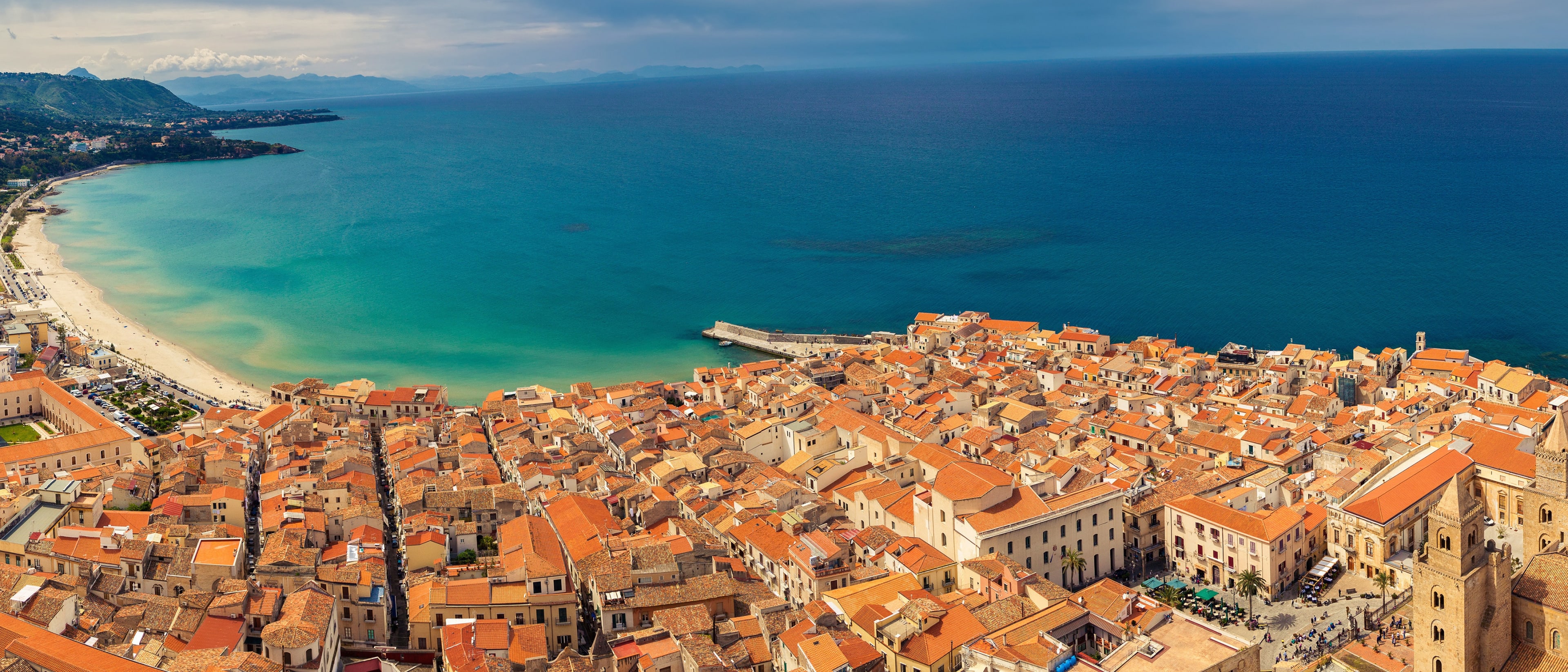

University of Trieste
Bachelor of Economy, Environment and Development
- Trieste, Italy
Bachelor's degree
On-Campus
English
Starting from the knowledge acquired in the three-year period, the Master's Degree in Economics, Environment and Development aims to: Strengthen economic skills with particular attention to the analysis of the macroeconomic and institutional context and the characteristics of the production sectors and markets. Develop the ability to understand data (even large ones), analyze it with statistical techniques and the most advanced IT packages,
Best programs for you
Answer a few questions and we'll match you with programs!
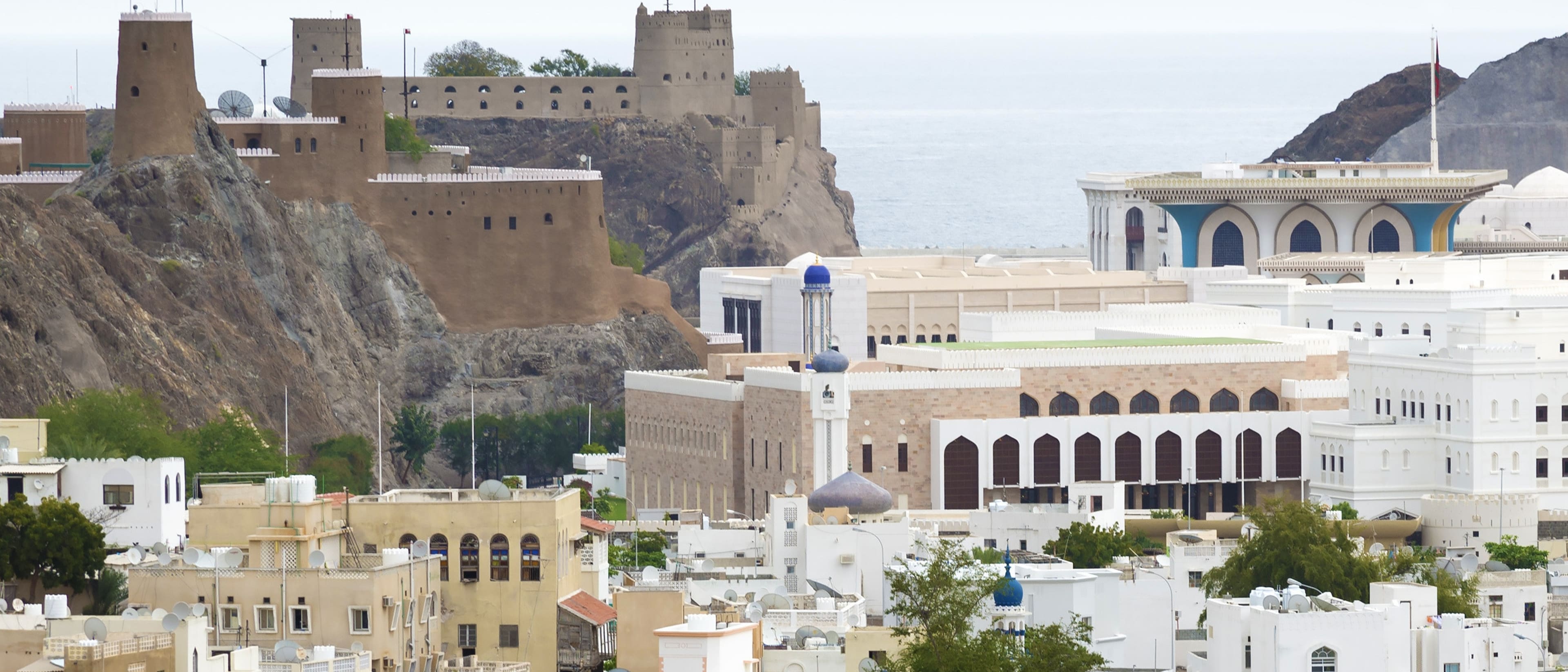

Sultan Qaboos University
Master of Science in Natural Resource Economics
- Seeb, Oman
MSc
Full time, Part time
2 years
On-Campus
English
The student should complete the coursework requirements specified in the degree plan with a minimum cumulative GPA of 3.00. For the thesis, the candidate is required to conduct the necessary literature review, undertake the research, analyze the results, write the report and communicate the results at an oral defense. This work need not necessarily be original research but should be a new application of ideas.
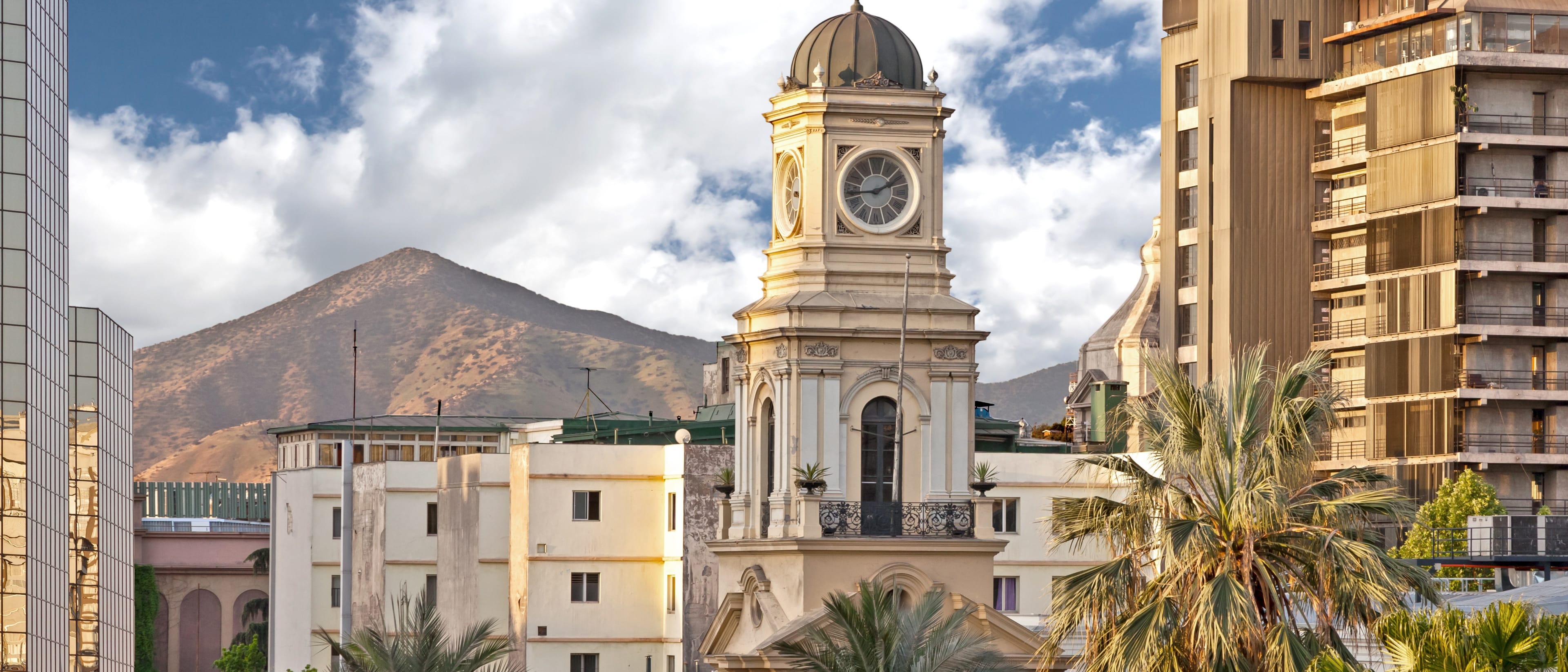

University of Magallanes (UMAG)
Master of Science in Management and Conservation of Natural Resources in Subantarctic Environment
- Punta Arenas, Chile
MSc
On-Campus
Spanish
This Master's program is the first offered in Chilean-Argentine Patagonia (south of Region X) and allows meeting the needs of the southern academic and professional community, contributing to the sustainable development of the region and stimulating basic science programs and applied in the most extensive territory of Chile: Magallanes and Chilean Antarctic Province. To meet the general objective of management and sustainable use of resources, the Master's program considers: 1) Include teaching and research in biological conservation in order to reinforce environmental, social, and economic sustainability in biological resource management practices. 2) Study of terrestrial ecosystems because they present essential ecological and biogeographic interrelationships with Antarctic and subantarctic ecosystems. Participation of academics from various disciplines associated with a set of national and international universities and scientific institutions that have competence in the area of sustainable management for the training of researchers who contribute to the knowledge of southern biodiversity, its valuation and conservation, In this way, the training of a specialist in the area of Management and Conservation of Natural Resources in Subantarctic Environments with a high scientific level preparation, capable of teaching and conducting research in the broad field of biological diversity, its ecological functions are sought. and its economic value under management and conservation plans that promote environmental and economic sustainability. This will allow technical advice to state or private organizations.

Centenary College of Louisiana
Bachelor in Environment and Society
- 2911, USA
BA
English
Students undertaking this minor examine the various ways that people study and reflect on their environments.

Agrocampus Ouest
International Master in Rural Development (IMRD)
- Rennes, France
- Angers, France
Master degree
Full time
On-Campus
French, English
This master's degree is a fully integrated and globally competitive Erasmus Mundus Joint Master Degree, designed by a broad consortium of European and non-European universities in Rural Development. It offers the opportunity to become an international expert on rural development in its diversity of approaches and applications. Ghent University is the coordinating institute for the IMRD program.

School of Sustainability
Foundation Course: Design for Circular Economy
- Milan, Italy
Course
Full time
8 weeks
Distance Learning
English
An SOS-certified course for those who want to acquire the necessary practical skills to becoming Circular Economy consultants in the fields of design, architecture, and engineering.
Häme University of Applied Sciences (HAMK)
Information and Communication Technology, Bioeconomy
- Hämeenlinna, Finland
- Riihimäki, Finland
- + 2 more
Bachelor's degree
Full time
4 years
On-Campus
English
Bioeconomy Engineering programme will equip you as an engineer with the knowledge and skills that put your sustainable development goals into action. You will achieve this by gaining the competences to integrate digitalization and data technology with biomass flows management of land, forest and waters.
Popular Economics Programs Environmental Economics degree types
Popular study format