Filters
Filters
- Doctoral Degrees
- Law Programs
- Policy
- On-Campus
Sort by
3 Policy Doctoral Degree Programs


Central European University (CEU)
Doctor of Philosophy in Environmental Sciences and Policy
- Vienna, Austria
PhD
Full time
4 years
On-Campus
English
The Environmental Sciences and Policy Doctoral Program* provides a unique opportunity to pursue fundamental and applied research to address some of the most urgent environmental challenges in the world. Our graduates emerge from the Program with a broad understanding of diverse approaches to environmental problems, extensive practical research experience, professional networks and analytical and practical thinking skills with a commitment and capacity to addressing environmental challenges.
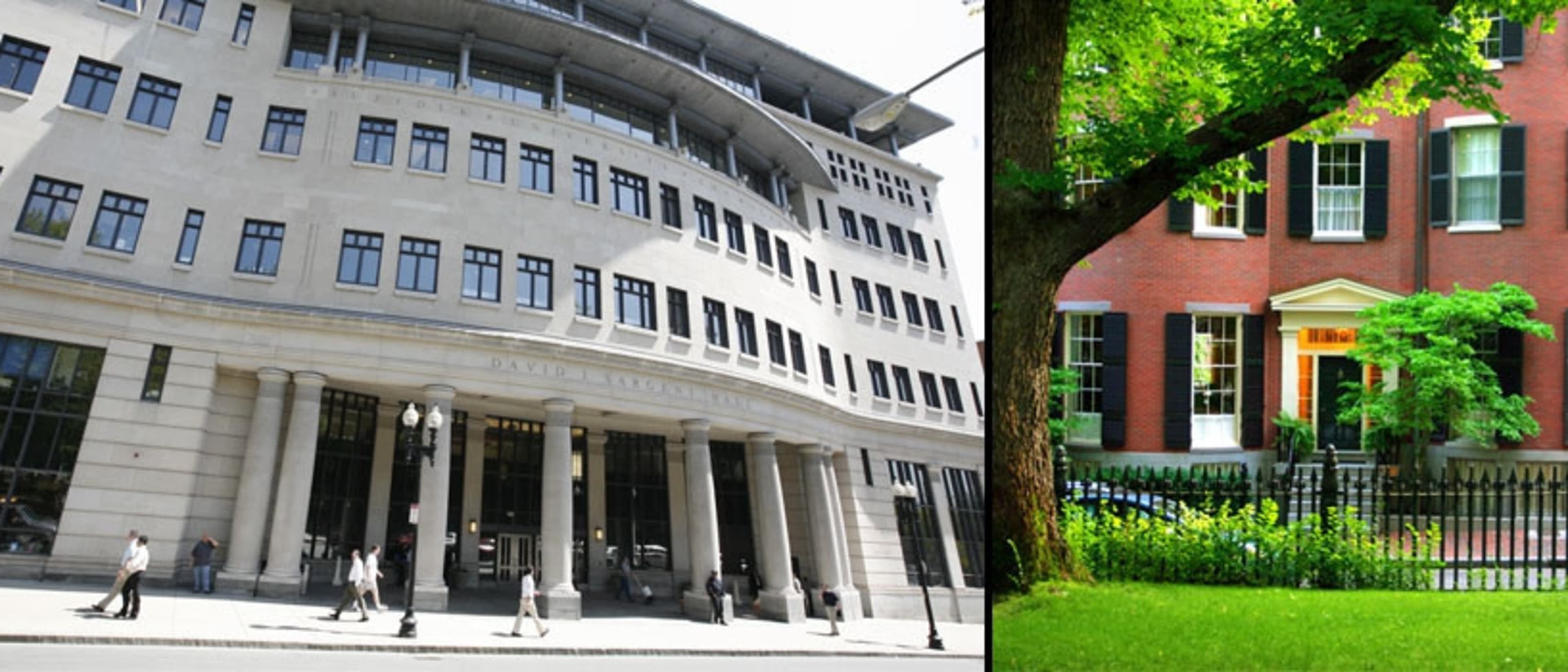
Suffolk University Law School
Fast-track counseling
Doctor of Juridical Science (SJD)
- Boston, USA
SJD
Full time, Part time
3 years
On-Campus
English
Fast-track counseling
The Doctor of Juridical Science (SJD) degree is a post LL.M. degree that is awarded upon the completion of an in-depth, publication-quality, dissertation which makes an original and creative contribution to the legal literature.
Best programs for you
Answer a few questions and we'll match you with programs!
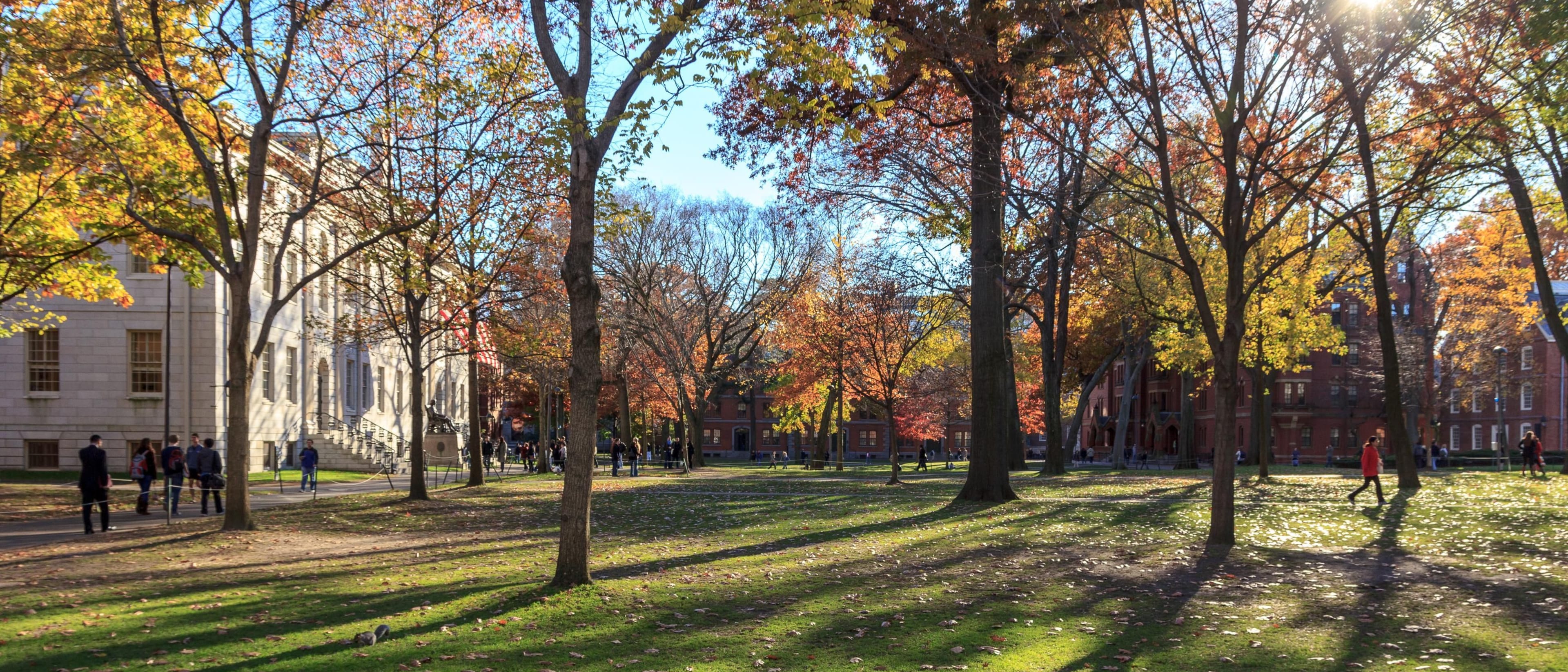

Cambridge Graduate University
PhD in Law & Policy Program
- Cambridge, USA
PhD
On-Campus
Cambridge Graduate University’s College of Law, Policy & Global Studies has an unmatched academic program, offering law and policy Masters and Doctoral degrees – the LL.M., Masters in
Popular Law Programs Policy degree types
Learn more about Policy Doctoral degree programs
What are the benefits of studying policy at university?
Policy programs at universities are intended to teach students law concepts and how the law is applied in various forms. A policy degree can be useful for people who want to work in the public sector or pursue a career in politics. Some people may choose to study policy because they are interested in becoming involved in government. Policy courses offer insight into how laws are made, their impact on society, and how they affect individual lives. Many policy degrees may also include courses on how to write policy. These can be useful for people who want to work in government or make laws themselves.
What can I do with a degree in policy?
Policy is often seen as an unusual choice of degree among undergraduates; however, it is growing in popularity. A policy degree may be seen as beneficial to people who are interested in pursuing a career that requires strong critical thinking, creativity, and excellent communication skills. People with policy degrees can expect to have ample opportunities for employment after graduation because they will possess these skills. Policy is an ideal degree choice if someone wants to become involved with politics, law, or the government in the future.
Doctoral degrees are advanced educational qualifications, often pursued after a master's degree. They represent the highest level of academic achievement in fields like science, arts, and humanities. Achieving this degree involves intensive research, resulting in a thesis or dissertation.