Filters
Filters
- North America
- Canada
- Education Programs
- Communication Disorders
Sort by
3 Communication Disorders Degree Programs in Canada
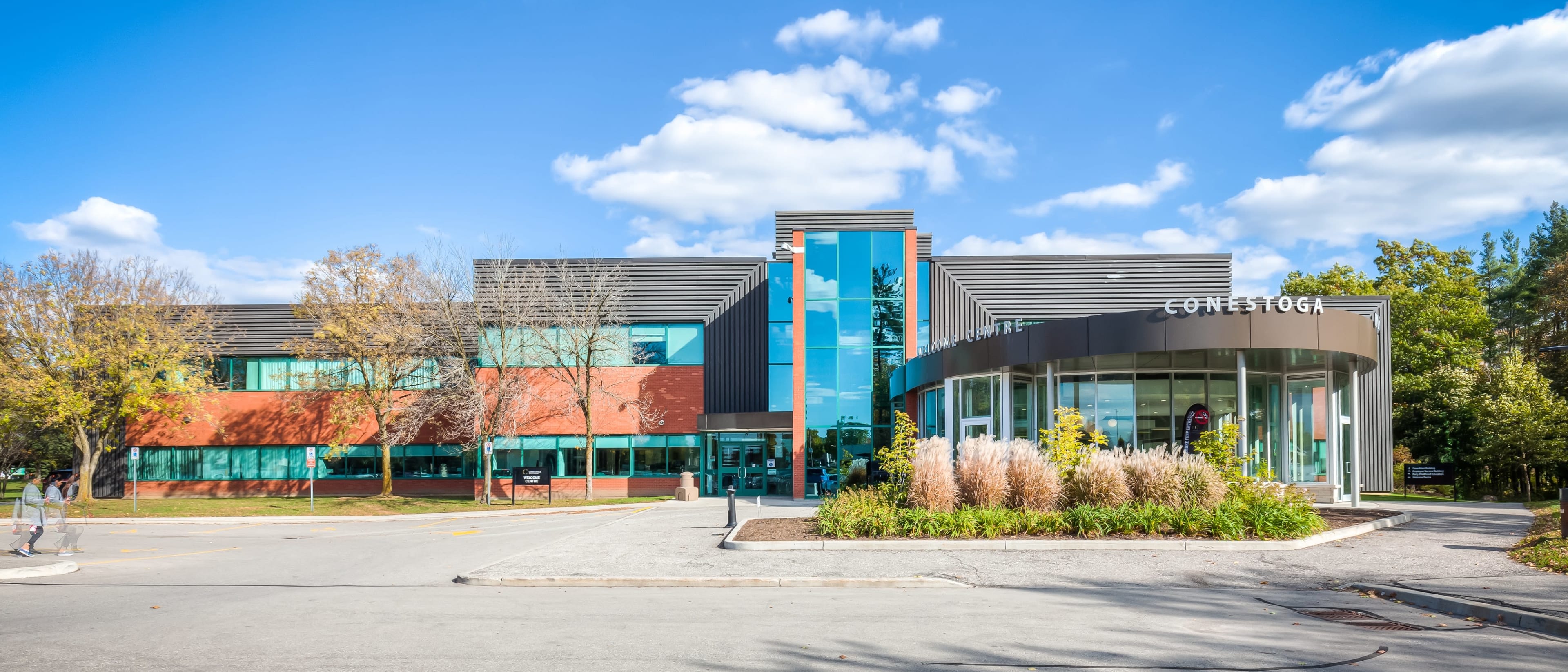

Conestoga College
Graduate Certificate in Communicative Disorders Assistant
- Kitchener, Canada
Graduate Certificate
Full time
1 year
On-Campus
English
https://www.conestogac.on.ca/fulltime/communicative-disorders-assistant...


Western University
Master of Clinical Science - Communication Sciences and Disorders
- Toronto, Canada
Master degree
On-Campus
English
Home to the National Centre for Audiology and the H.A. Leeper Speech and Hearing Clinic, the School of Communication Sciences and Disorders (CSD) educates students in the professions of Audiology and Speech-Language Pathology.
Best programs for you
Answer a few questions and we'll match you with programs!

Lambton College
Diploma in Communicative Disorders Assistant
- Sarnia, Canada
Diploma
On-Campus
English
This Ontario College Graduate Certificate program is designed for students who wish to work as a communicative disorders assistant in a supportive capacity with a qualified speech-language pathologist and/or audiologist. This program runs in-person from September through August and prepares graduates to design and implement programming based on the assessments and treatment plans outlined by qualified speech-language pathologists and audiologists.
Popular Education Programs Communication Disorders degree types
Popular study format
Learn more about Communication Disorders degree programs in Canada
Communication Disorders degree programs focus on the study of speech, language, and hearing, preparing you to support individuals with communication challenges. This field offers a unique blend of theory and practical skills that are highly valued in healthcare and educational settings.
In Canada, students in Communication Disorders programs often engage in experiential learning through hands-on practice and collaborative projects. Courses may include anatomy of speech, language development, and assessment techniques, fostering independence as students explore clinical practices. The environment encourages exploration of various methodologies, enhancing critical thinking and problem-solving skills vital for addressing diverse communication needs.
Graduates typically find career opportunities as speech-language pathologists, audiologists, or communication specialists in schools, hospitals, and rehabilitation centers. The strong emphasis on research within Canadian programs supports students in developing analytical skills to assess and implement effective treatment strategies. Navigating the complexities of communication disorders can be a transformative experience, as students build confidence in their ability to create meaningful change in the lives of those they serve.