Filters
Filters
- Europe
- Italy
- Environmental Programs
- Biodiversity
Sort by
3 Biodiversity Degree Programs in Italy


University of Siena
MSc in Biodiversity, Conservation and Environmental Quality
- Siena, Italy
MSc
Full time
2 years
On-Campus
English
The master's degree in Biodiversity, Conservation and Environmental Quality (BCEQ), entirely taught in English, prepares the highly qualified figure of environmental biologist expert in the multiple aspects of biodiversity, aimed at nature conservation and the assessment of environmental quality.
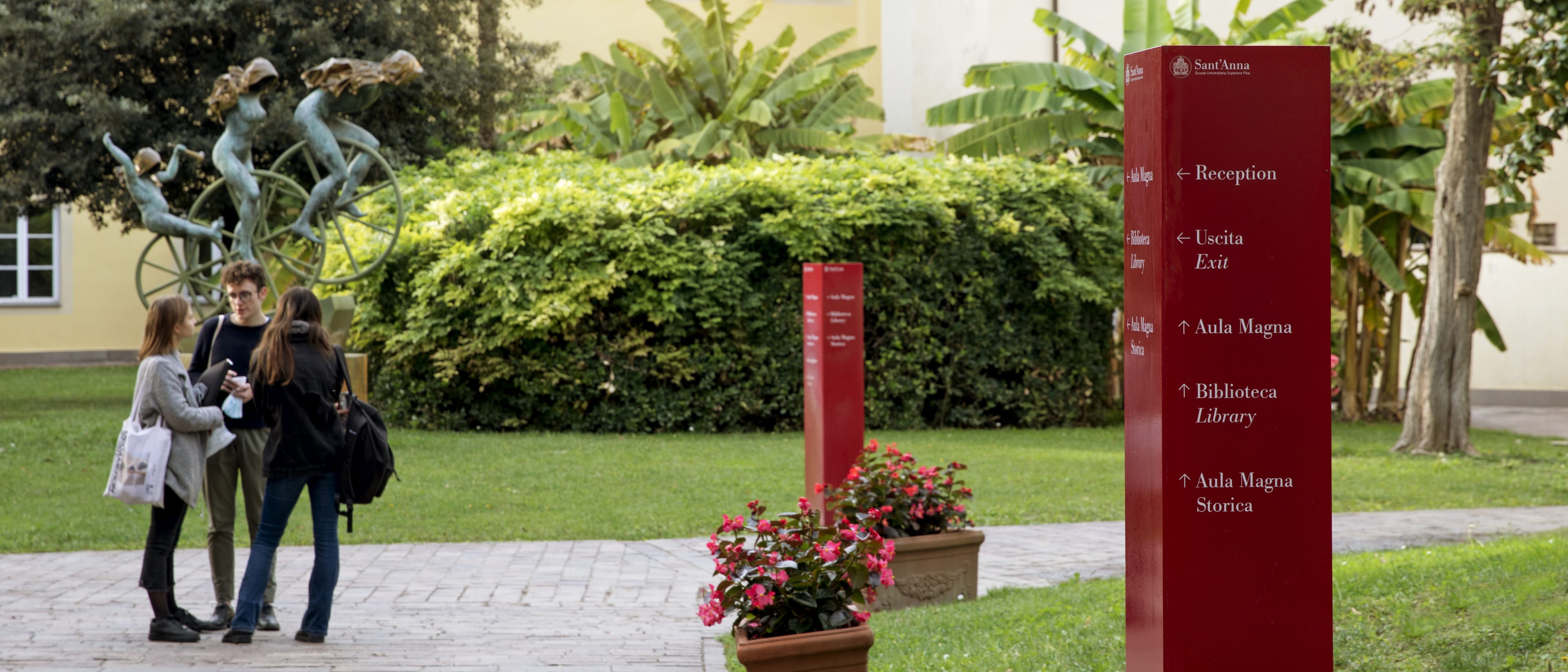

Scuola Superiore Sant’Anna
BRI - Biodiversity and Business: from Research to Impact
- Pisa, Italy
Course
Full time
5 days
On-Campus
English
BRI - Biodiversity and Business: from Research to Impact is the protection of biodiversity presents a worldwide challenge, with the EU striving to take the lead in addressing its decline through its 2030 Biodiversity Strategy. Businesses are pivotal in crafting a framework that preserves and restores biodiversity along with the ecosystem services it offers.
Best programs for you
Answer a few questions and we'll match you with programs!
Scuola Superiore Sant’Anna
PhD in Agrobiodiversity
- Pisa, Italy
PhD
Full time
3 years
On-Campus
English
The PhD Programme in Agrobiodiversity is a four-year residential Course. It aims at the enhancement of human resource capacities in the utilisation and management of genetic variation in agricultural and natural systems, to improve the sustainability of agricultural systems and the conservation of genetic resources for the well-being of present and future generations.
Popular Environmental Programs Biodiversity degree types
Popular study format
Learn more about Biodiversity degree programs in Italy
Studying biodiversity in Italy provides a unique opportunity to engage with one of the most diverse ecosystems in Europe, blending scientific inquiry with environmental stewardship. This field emphasizes the importance of preserving ecosystems, understanding species interactions, and addressing conservation challenges in various environments.
In biodiversity degree programs, students will examine vital topics such as ecosystem management, conservation biology, and species identification techniques. Through both theoretical coursework and field studies, students strengthen their practical skills in conducting ecological surveys and analyzing biodiversity data. Many learners start with hands-on experiences, applying their knowledge in Italy's rich natural habitats, which may include coastal, forest, and mountain ecosystems. The environment fosters independence and curiosity as students explore ecological strategies essential for long-term conservation.
A research focus is common at the Master's and PhD levels, where students delve deeper into specialized topics like habitat restoration and climate change impacts. Graduates often pursue careers in environmental consultancy, wildlife management, or research positions, gaining skills valued internationally and contributing to global conservation efforts.