Filters
Filters
- Europe
- Norway
- Environmental Programs
- Agroecology
Sort by
3 Agroecology Degree Programs in Norway
ISARA
European MSc Agroecology
- As, Norway
- Lyon, France
MSc
Full time
2 years
On-Campus
English, French
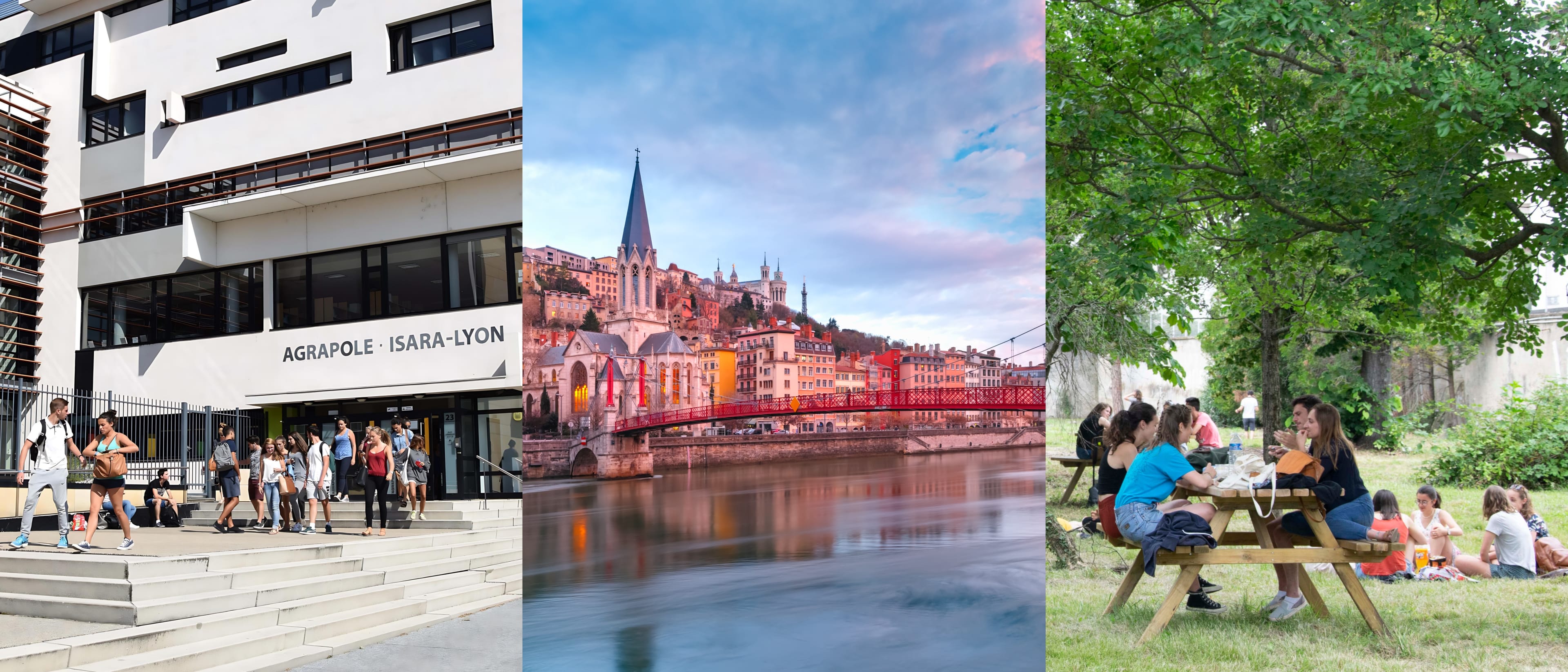
The MSc Agroecology is a European program coordinated by ISARA and leading to a double degree between ISARA and the Norwegian University of Life Sciences (NMBU). You have a strong interest in sustainable agriculture and agroecosystem management ? Join us !


Norwegian University of Life Sciences NMBU
MSc in Agroecology
- As, Norway
MSc
Full time
2 years
On-Campus
English
Do you want to work in international teams solving complex problems? Are you concerned about the long-term sustainability of agriculture and food systems? If you answered yes, this program is for you!
Best programs for you
Answer a few questions and we'll match you with programs!

Norwegian University of Life Sciences (NMBU)
Agroecology Master of science
- Ås Municipality, Norway
Master degree
On-Campus
English
Do you want to work in international teams solving complex problems? Are you concerned about longterm sustainability of agriculture and food systems? Do you want to link knowledge with action to make a difference? The first semester (30 cr.) is a transdisciplinary approach to ecological, economic and social issues in farming and food systems. The focus is on agroecosystems, on holistic methodology for their study, evaluation and improvement, attitudes, ethics and values, and on individual and group-based learning. Learning is based on exploring real-life farm and food systems cases.
Popular Environmental Programs Agroecology degree types
Popular study format
Learn more about Agroecology degree programs in Norway
Agroecology degree programs offer a unique opportunity to delve into environmentally sustainable agricultural practices that balance productivity with ecological health. This interdisciplinary field connects science, ecology, and community development, making it a vital area of study in today's world.
Through courses in agroecosystem management, soil health, and biodiversity preservation, you'll develop skills in evaluating environmental impacts while promoting resource conservation. Practical coursework often includes field studies and collaborative projects, where students engage directly with local agricultural communities. The environment nurtures innovation as students explore local food systems and sustainable farming techniques.
Norwegian educational approaches emphasize experiential learning and research-based practices, allowing students to test theories in real-world contexts. Graduates can pursue diverse career paths, including roles in sustainable agriculture, environmental consulting, and policy development, all contributing to global food security and environmental stewardship. As students engage with the land and community, they strengthen adaptability while building critical thinking skills needed for a rapidly evolving agricultural sector.