Filters
Preparatory
Engineering, Architecture and Aviation
30 Engineering, Architecture and Aviation Summer Course Programs
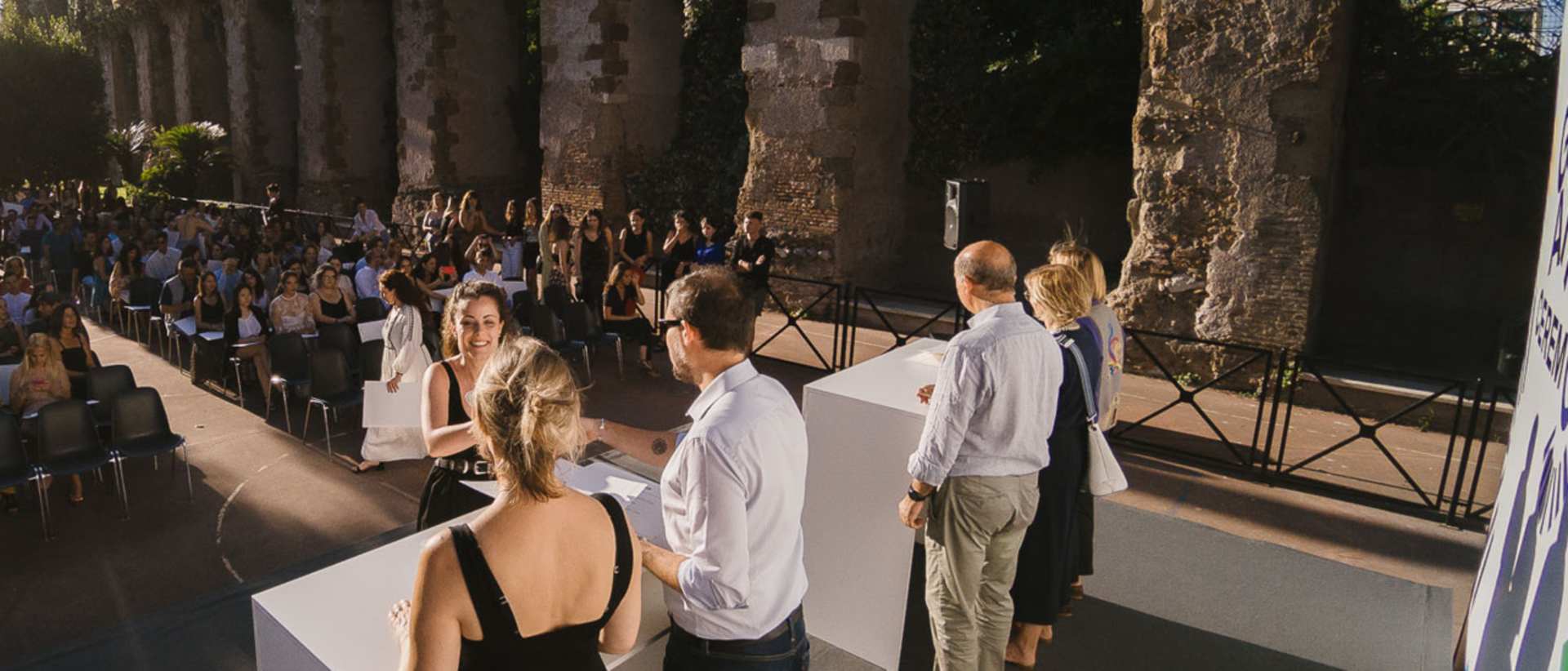

Rome, Italy
Summer Course
3 weeks
On-Campus
English


Denpasar, Indonesia
Summer Course
4 weeks
On-Campus
English


Stanford, USA
Summer Course
8 weeks
On-Campus
English
Find your perfect program
Answer a few questions and we'll match you with the programs that suit you!
Stanford, USA
Summer Course
8 weeks
On-Campus
English
Stanford, USA
Summer Course
8 weeks
On-Campus
English
Stanford, USA
Summer Course
8 weeks
On-Campus
English
Stanford, USA
Summer Course
8 weeks
On-Campus
English
Stanford, USA
Summer Course
8 weeks
On-Campus
English
Stanford, USA
Summer Course
8 weeks
On-Campus
English
Stanford, USA
Summer Course
8 weeks
On-Campus
English


Karlsruhe, Germany
Summer Course
1 week
On-Campus
English




Learn more about Engineering, Architecture and Aviation Summer Course programs
You'll gain hands-on exposure to some of the most technically rigorous disciplines available, all within a condensed, focused format. Summer courses in engineering, architecture, and aviation let you test the water before committing to a full program, or sharpen specific competencies you're already building.
The learning environment fosters independent thinking and close engagement with applied problems across technical fields. Depending on your area of interest, coursework might cover structural analysis, aerodynamics, building design principles, or systems modeling, giving you a clearer sense of where your strengths lie.
These short programs suit you if you're exploring a future degree, supplementing your current studies, or adding credibility to a portfolio or CV. You could come away with practical instruction in CAD modeling, load-bearing calculations, flight mechanics, or environmental design methods. Career paths across these sectors include civil and aerospace engineering, urban planning, licensed architecture, and air traffic or flight operations. Many summer courses also connect you with industry professionals, so you leave with both technical grounding and a broader view of how each field works in practice.