Filters
Doctoral Degrees
Skills, Education and Professional Development
698 Skills, Education and Professional Development PhD Degree Programs


Lusaka, Zambia
PhD
3 years
On-Campus
English


Florence, Italy
PhD
2 years
On-Campus
English


Rochester Institute of Technology, USA
PhD
4 years
On-Campus
English


Davie, USA
PhD
33 months
Distance Learning
Spanish


Lilongwe, Malawi
PhD
3 years
Distance Learning
English
Find your perfect program
Answer a few questions and we'll match you with the programs that suit you!


Prague, Czechia
PhD
4 years
On-Campus, Blended
English


Pretoria, South Africa
PhD
2 years
On-Campus
English
Pretoria, South Africa
PhD
2 years
On-Campus
English


Kuala Lumpur, Malaysia
PhD
3 years
On-Campus
English
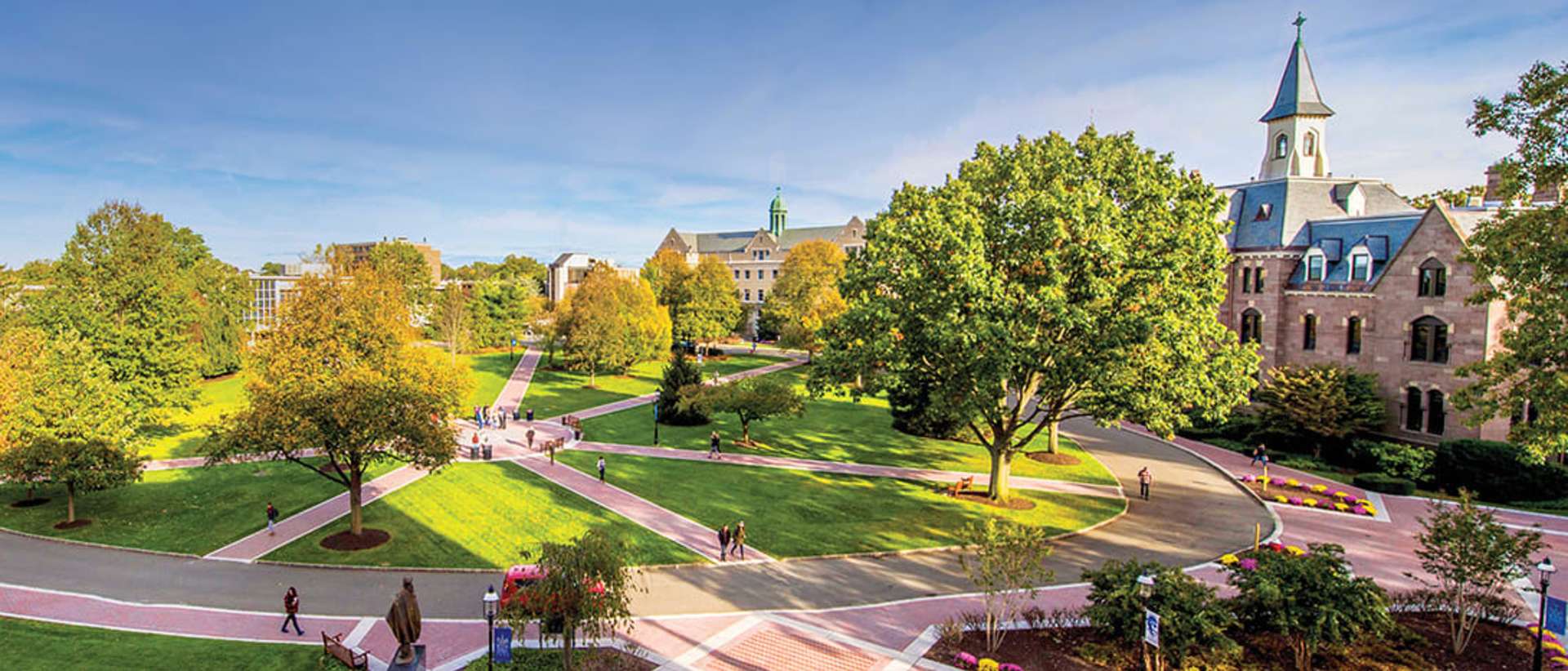

South Orange Village, USA
PhD
2 years
On-Campus
English
Prague, Czechia
PhD
4 years
On-Campus, Blended
English
Prague, Czechia
PhD
4 years
On-Campus, Blended
English


Prague, Czechia
PhD
4 years
On-Campus, Blended
English
Learn more about Skills, Education and Professional Development PhD degree programs
Pursuing a PhD in Skills, Education and Professional Development means contributing original research to how people learn, grow, and perform across their careers and institutions. You'll investigate the theories and systems that shape workforce capability, adult learning, and organizational knowledge.
The doctoral environment fosters sustained intellectual independence and a commitment to generating new understanding in your field. Your coursework will likely span advanced learning theory, research methodology, curriculum design and evaluation, and the assessment of professional competencies. You'll design and carry out original empirical or theoretical studies, often in collaboration with institutions, employers, or policy bodies.
What sets doctoral study apart at this level is the expectation that your findings contribute meaningfully to the academic literature and inform real practice. You might examine how professional training programs perform, how credentialing systems function, or how workplace learning can be measured and improved. Graduates go on to roles in higher education, research institutes, government agencies, and organizational consulting, often shaping policy and practice in workforce development, instructional design, and talent strategy.