Filters
Masters
Humanities
67 Cultural Studies and Area Studies MSc Degree Programs


Nantes, France
MSc
2 years
On-Campus
English

Mont-Saint-Aignan, France
MSc
15 months
On-Campus
English

Syracuse, USA
MSc
2 years
On-Campus
English
Find your perfect program
Answer a few questions and we'll match you with the programs that suit you!


Nijmegen, Netherlands
MSc
2 years
On-Campus
English


Maastricht, Netherlands
MSc
2 years
On-Campus
English

Rome, Italy
MSc
2 years
On-Campus
English
Rome, Italy
MSc
2 years
On-Campus
English, Italian


Barcelona, Spain
MSc
1 year
On-Campus
English

Linköping, Sweden
MSc
4 semesters
On-Campus
English
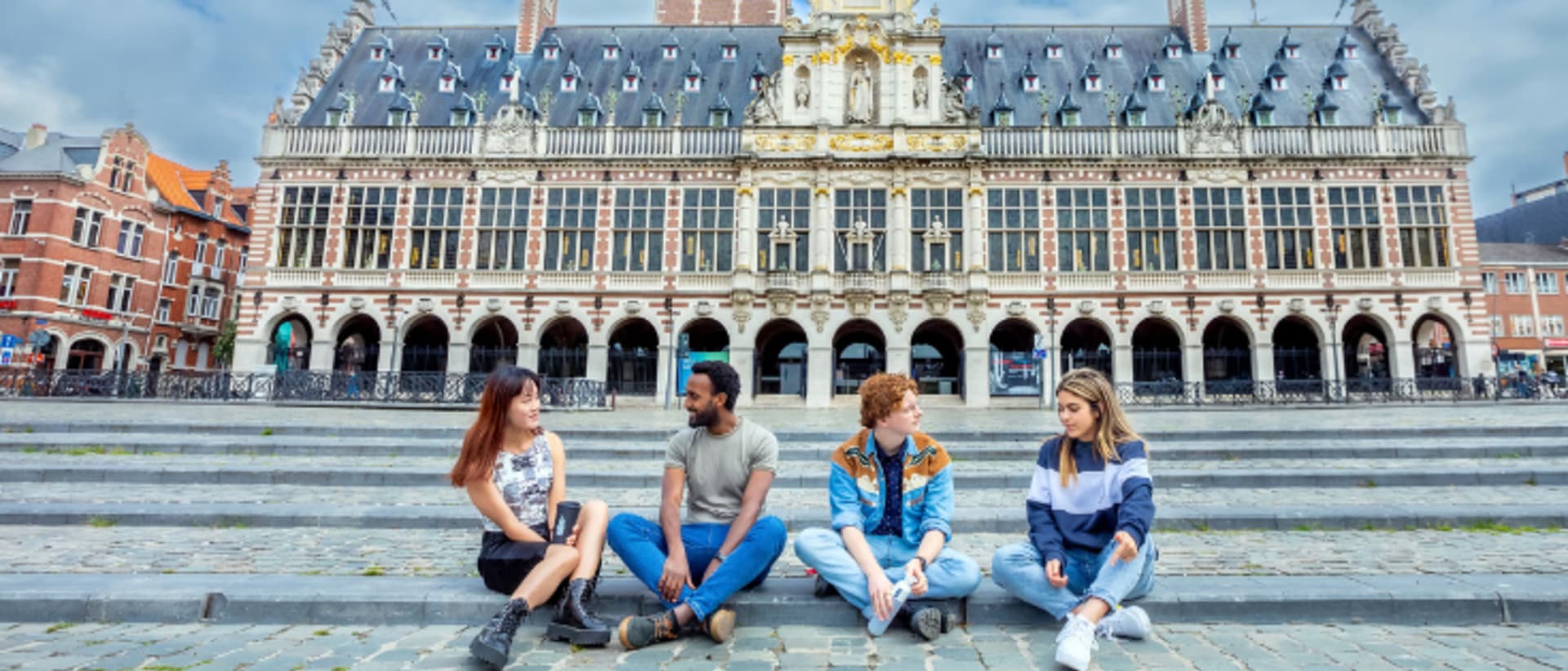

Leuven, Belgium (+6 more)
MSc
1 year
On-Campus
English


Bristol, United Kingdom
MSc
1 year
On-Campus
English


Amsterdam, Netherlands
MSc
1 year
On-Campus
English


Ixelles, Belgium
MSc
1 year
On-Campus
English


Singapore, Singapore
MSc
10 months
On-Campus
English


Tromsø, Norway
MSc
2 years
On-Campus
English
Learn more about Cultural Studies and Area Studies MSc degree programs
You'll examine how culture, power, and identity intersect across societies, making an MSc in Cultural Studies or Area Studies a natural fit if you want to move beyond surface-level analysis into serious scholarly and professional work.
The program's academic environment fosters independent inquiry and the rigorous examination of ideas across disciplines. At MSc level, you'll go well beyond introductory concepts, engaging with critical theory, discourse analysis, and comparative regional research. Coursework typically covers postcolonial studies, geopolitics and identity, ethnographic methods, and the politics of representation. You'll also develop strong qualitative research competencies, including archival work and fieldwork design, alongside the ability to produce substantial written analysis.
Graduates move into careers in international development, policy research, cultural diplomacy, journalism, and the nonprofit sector. Some go on to doctoral study, while others work with think tanks, intergovernmental organizations, or heritage institutions. The analytical and cross-cultural communication skills you develop are directly relevant to roles that require interpreting complex social contexts, whether you're working with global NGOs, media organizations, or public policy teams.