Filters
Masters
Engineering, Architecture and Aviation
163 Architecture and Urban Design MSc Degree Programs


Canterbury, United Kingdom
MSc
1 year
On-Campus
English


Groningen, Netherlands
MSc
1 year
On-Campus
English


Gothenburg, Sweden (+2 more)
MSc
2 years
On-Campus
English


Eindhoven, Netherlands
MSc
2 years
On-Campus
English


Find your perfect program
Answer a few questions and we'll match you with the programs that suit you!


Warsaw, Poland
MSc
4 semesters
On-Campus
English


Stockholm, Sweden
MSc
2 years
On-Campus
English


Tartu, Estonia
MSc
2 years
On-Campus
English


Piacenza, Italy
MSc
2 years
On-Campus, Blended
English
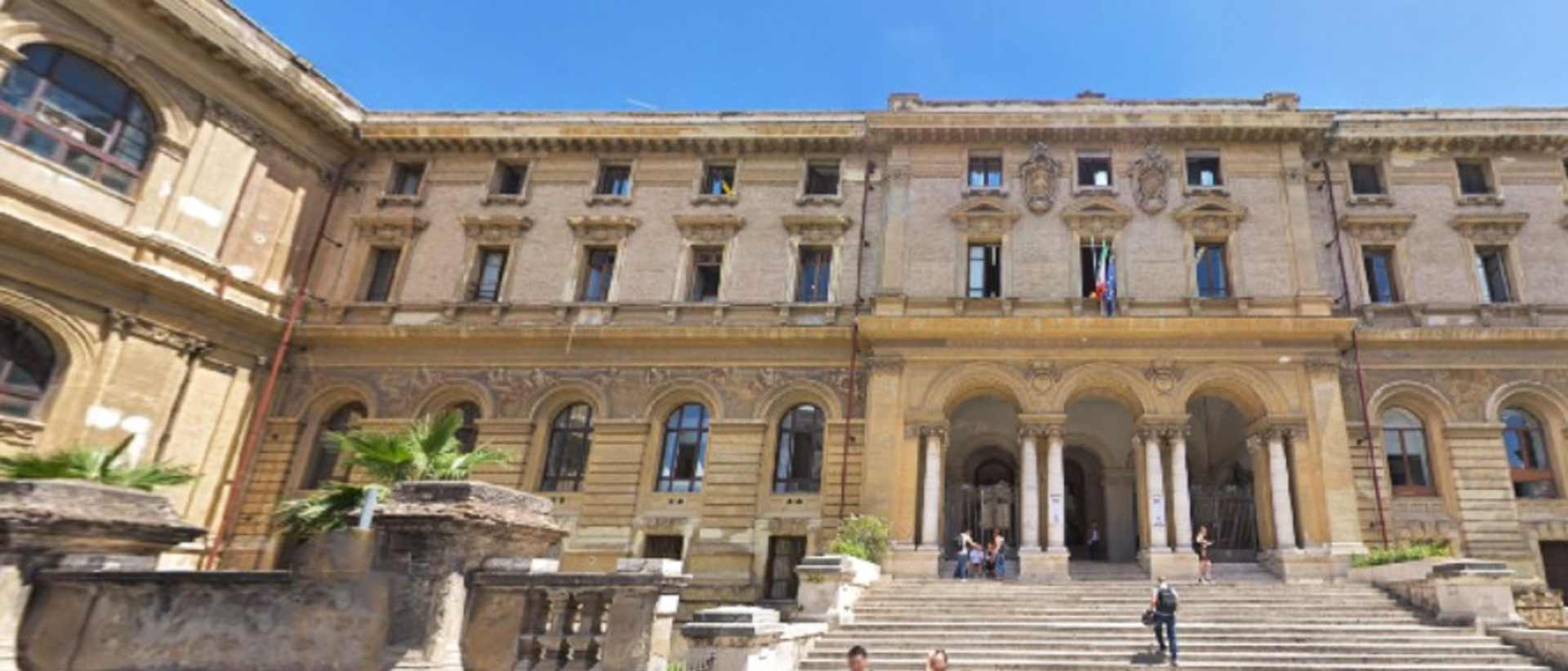

Rome, Italy
MSc
2 years
On-Campus
English, Italian


Charlotte, USA
MSc, Master of Architecture
66 hours
On-Campus
English
Charlotte, USA
MSc
51 hours
On-Campus
English


London, United Kingdom
MSc
12 months
On-Campus
English


Dubai, United Arab Emirates
MSc
1 year
On-Campus
English
Piacenza, Italy
MSc
2 years
On-Campus, Blended
English


Lugano, Switzerland
MSc
4 semesters
On-Campus
English, Italian
Learn more about Architecture and Urban Design MSc degree programs
You'll examine how cities grow, how buildings perform, and how design decisions shape the way people live and move through space. An MSc in Architecture and Urban Design takes you beyond foundational studio work into research-led inquiry, technical analysis, and large-scale spatial thinking.
The program fosters an environment where independent critical reasoning and collaborative, project-based work sit side by side. At this level, you're expected to engage with real urban problems, applying methods from environmental modeling, structural performance analysis, and spatial data interpretation to propose evidence-based design solutions.
Coursework typically covers urban morphology, sustainable building systems, planning policy, and digital fabrication techniques. You'll also develop competencies in site analysis, parametric design methods, and project documentation for complex, multi-stakeholder briefs.
Graduates move into roles in architecture practice, urban consultancy, planning agencies, heritage conservation, and research institutions. Some pursue further academic study or policy work. The MSc signals to employers that you can lead a project from strategic brief through to technical delivery, making your profile competitive across the public and private sectors.