

Bachelor in Speech and Language Therapy
Siena, Italy
Bachelor's degree
DURATION
3 years
LANGUAGES
Italian
PACE
Full time
APPLICATION DEADLINE
EARLIEST START DATE
TUITION FEES

STUDY FORMAT
On-Campus
Key Summary
About: Bachelor’s Degree in Speech and Language Therapy (class SNT/02) trains professionals for diagnosis and treatment of voice, oral and written language and verbal/nonverbal communication across all ages. The three-year programme builds clinical knowledge, practical skills and relational abilities for autonomous interdisciplinary practice. Keywords: speech-language pathology, communication disorders, swallowing disorders, language rehabilitation, articulation.
Career Outcomes: Graduates qualify as a Speech Therapist who assesses and treats language, voice, articulation, hearing-related and swallowing disorders. They'll work in healthcare, schools, rehabilitation centers, cooperatives, NGOs and prevention services, collaborating with teams and designing treatment plans. Surveys report high labor demand for this specialist role.
The Bachelor’s Degree in Speech and Language Therapy, which qualifies graduates for the profession of Speech Therapist, belongs to class SNT/02 and is aimed at training a highly specialised rehabilitation professional. The speech therapist plays a central role in the rehabilitation and functional recovery of all alterations and deficits of voice, oral and written language, and, more generally, of verbal and non-verbal communication across all age groups (developmental, adult, and geriatric).
The growing demand for this professional figure is linked to the increasing focus on early diagnosis and rehabilitation of communication disorders, with particular reference to language and learning disorders in preschool-and school-age children, as well as to the treatment of acquired language disorders in adults caused by neurological and degenerative diseases. In addition, speech therapists are increasingly involved in the rehabilitation of swallowing disorders.
At the end of the three-year course, the Speech Therapist is expected to possess knowledge and theoretical understanding (knowing), skills and practical competences (knowing how to do), and professional relational abilities (knowing how to be), all exercised with responsibility and expertise, supporting full professional autonomy while ensuring respect for the patient and collaboration with other professionals.
Learning Objectives
The Speech Therapist must acquire specific professional knowledge enabling the identification of speech therapy rehabilitation needs of the individual. This translates into the planning and implementation of habilitation and rehabilitation interventions, selecting the most effective and appropriate professional methods for the patient, in compliance with Evidence-Based Medicine (EBM) and good clinical practices.
The Speech Therapist must be able to identify strategies for the care and rehabilitation of oral and written language disorders, hearing and swallowing disorders, and disorders of communicative-social and cognitive functions at every stage of life.
The Speech Therapist must also be able to design, plan, and implement the rehabilitation intervention with specific, shared objectives that can be verified in the short, medium, and long term, in agreement with the rehabilitation team, the patient, and the family. Furthermore, they must evaluate the outcomes and responses to the intervention, including, when appropriate, through the proposal of assistive devices.
Several scholarship options are available, please visit the university website for information.
Speech Therapist
Role in a work context:
At the end of the training program, the Speech Therapist will be able to implement all procedures necessary to carry out treatment and rehabilitation interventions in the areas of language, phonatory articulation, and hearing, whether related to acquired or congenital pathologies.
The Speech Therapist will also be capable of establishing an effective therapeutic relationship both with the patient and with all professional figures involved in the rehabilitation process. They will independently use all communication tools in both healthcare and non-healthcare settings, demonstrating the ability to manage and design every type of speech therapy intervention.
Skills associated with the role:
The Speech Therapist can practice their profession in public and private healthcare, in schools, in rehabilitation and recovery centres, in service cooperatives, in non-governmental organisations, and in public and private prevention services.
Career opportunities:
According to a recent survey by Unioncamere, the profession of Speech Therapist ranks among the top in terms of demand in the job market and is one of the most difficult to find in the ranking of highly specialised professionals.
Why Studying in Siena?
The University of Siena, located in the historic city of Siena in Italy, is an attractive choice for higher education for various reasons.
Tradition and Prestige: Established in 1240, the University of Siena is one of the oldest universities in Italy and Europe. It has a rich history and a longstanding reputation for academic excellence.
Diverse Course Offerings: The University of Siena offers a wide range of undergraduate, graduate, and postgraduate programs in various disciplines, including humanities, sciences, medicine, engineering, economics and social sciences. This allows students to pursue their interests and career goals.
International Environment: The University of Siena attracts students from all around the world, creating a diverse and multicultural learning environment. This exposure to different perspectives and cultures can be highly enriching for students.
Quality of Life: Siena is known for its relaxed lifestyle, friendly locals, and delicious cuisine. The city’s manageable size and welcoming atmosphere make it an ideal location for students looking to balance their studies with a vibrant social life.
Research Impact: The University of Siena’s research output is recognised globally, with its faculty and researchers contributing to significant advancements in various fields. The university’s research publications and citations in international journals reflect its commitment to high-quality research and global impact.
Research Opportunities: The University of Siena has strong research programs and collaborations with other institutions, both in Italy and internationally. This can provide students with valuable opportunities for research and professional development.
Affordability: Compared to universities in some other countries, tuition fees at the University of Siena are relatively affordable. Additionally, the cost of living in Siena is generally lower than in larger Italian cities like Rome or Milan.
Exchange Programs: The University of Siena participates in several international exchange programs, such as the Erasmus+ program, which allows students to study abroad for a semester or academic year, providing valuable international experience.
Career Prospects: Graduates from the University of Siena have a strong record of finding employment or continuing their education, both within Italy and internationally. The university’s reputation and connections can help students access opportunities in their chosen fields.
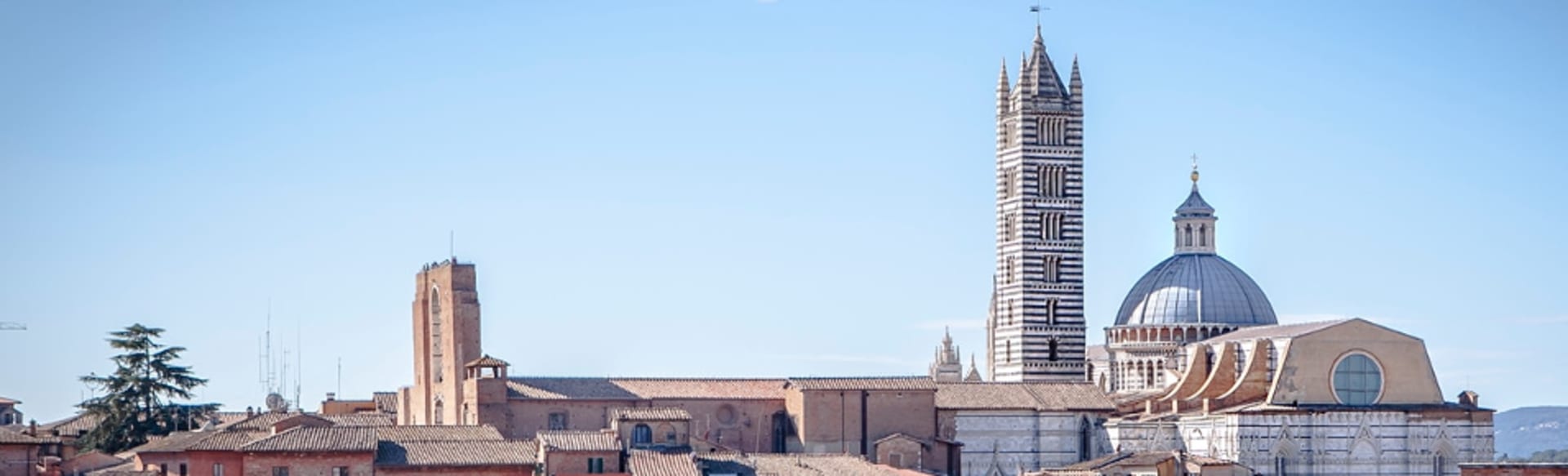
Beautiful Location: Siena is a picturesque city with a rich history and stunning architecture. The city’s medieval cityscape and scenic countryside provide a unique and inspiring setting for studying.
Language and Cultural Immersion: Studying in Siena offers the opportunity to learn or improve Italian language skills, as well as gain a deep understanding of Italian culture and history.
Studying Abroad
International students enrolled at the University of Siena can participate in several international exchange programs, such as the Erasmus+ program, which allows our students to study abroad for a semester or one academic year, providing valuable international experience.
Our International programs allow students of the University of Siena to spend a study period (from 2 to 12 months) at one of the other 500 partner universities worldwide.
It is possible to carry out the mobility during each study cycle (bachelor, master of PhD), attend courses and sit exams, prepare thesis work and carry out internship activities. Participants in the International mobility programs will get full recognition for the credits obtained abroad.
In addition to in-presence teaching, which continues to be the preferred method also in the next Academic Year, every single lesson will be simultaneously live-streamed and/or video recorded and uploaded on our digital platform for subsequent viewing. This mode is essential for students who are temporarily unable to be on premises.