
BA Religions, Theology and Ethics
Manchester, United Kingdom
BA
DURATION
3 years
LANGUAGES
English
PACE
Full time
APPLICATION DEADLINE
EARLIEST START DATE
Sep 2026
TUITION FEES
GBP 27,800 / per year *

STUDY FORMAT
On-Campus
* international student full-time fee
Key Summary
About: Engage with traditions and beliefs from ancient to modern. Choose subjects across Religions, Theology and Ethics, concentrate in one area or combine units to suit interests. Study literary, historical, theological, anthropological and gender-theory approaches and examine lives and works of key religious thinkers. At The University of Manchester – ranked top-50 globally for Arts and Humanities.
Career Outcomes: You'll gain transferable skills—presentation, critical thinking, teamwork—and subject skills like translation, source handling and exegesis. Graduates enter teaching, cultural heritage, counselling, law, research consultancies, faith-based groups, charity and media. Manchester’s Careers Service supports students during study and for two years after. Career opportunities
Engage with a wide range of traditions and beliefs, covering all periods up to the present day.
Course overview
- Choose subjects from the full range of traditions and topics taught in Religions, Theology and Ethics.
- Concentrate on one specific subject area, or tailor your course to your interests by combining units in multiple subject areas.
- Explore the lives and works of key religious thinkers and literary, historical, theological, anthropological and gender-theory approaches.
- The University of Manchester is a world-leading institution, ranked in the top-50 globally across all of Arts and Humanities by Times Higher Education 2025.
Our BA Religions, Theology and Ethics course is designed for you to engage with a wide range of traditions and beliefs, covering all periods up to the present day.
We offer one of the widest ranges of course units at any British university. You can study ancient languages to read scriptures in their original form, learn about Buddhist, Jewish and Islamic traditions, and pursue an interest in the Bible or Christian theology.
Discover the different approaches to religion offered by sociology, anthropology, and philosophy.
Whether or not you have a religious background, the study of the beliefs, philosophies, practices, policies, ethics, and values which have defined our civilisations over hundreds of years provides insight into one of the most fascinating aspects of the human psyche.
You'll explore topics crucial to understanding the shape of our current multicultural society - from religion, culture, and gender to Holocaust theory, from sacred spaces to apocalyptic expectation.
Courses you can study cover Islam, Judaism and Christianity, Japanese religious worldviews, and include theology, history and biblical studies.
Aims
We aim to:
- provide a multidisciplinary curriculum informed by the research and scholarly activities of the teaching staff;
- stimulate curiosity about a variety of religious cultures, their histories and the present condition;
- enable you to analyse and evaluate a range of political, social and cultural practices using methodologies drawn from the disciplines of Religious Studies;
- develop your critical understanding of religion, theology and the various approaches to studying this discipline through a diverse range of learning, teaching and assessment methods;
- equip you with the skills necessary to interpret primary and secondary sources related to an in-depth study of texts, religious practices and traditions;
- provide, when required, appropriate language instruction;
- equip you for a variety of careers through subject-specific knowledge, active engagement in your own learning and the development of analytical and other transferable skills.
Special features
Placement year option
Apply your knowledge in a real-world context through a placement year in your third year of study. This hands-on experience not only boosts your employment prospects but also helps you define your career path while expanding your professional network.
Learn in a multi-faith city
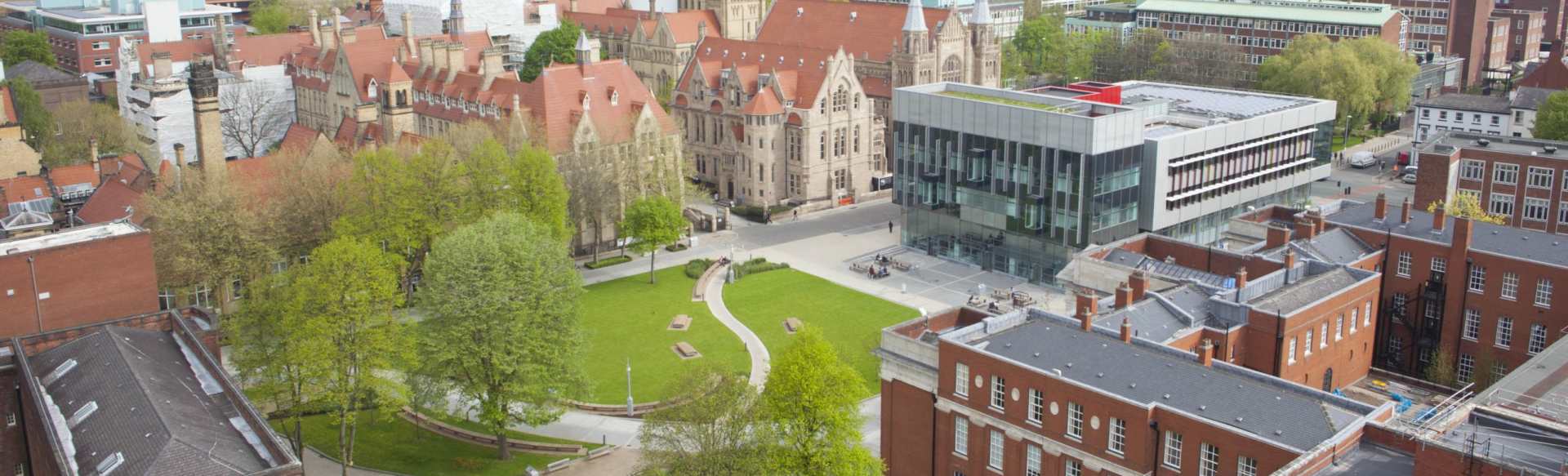
You will have the opportunity to engage with living religious traditions in a contemporary context in one of the most religiously diverse and dynamic cities in the UK.
Study abroad
During the second year of your degree, you can apply to spend one semester studying abroad. Exchange partners are offered in Europe, USA, Canada, Australia, New Zealand, Hong Kong, and Singapore.
Read scriptures in their original language
You can study ancient Hebrew or Greek as part of your course.
Connect with like-minded students
Join one of our student societies to further explore your interests, including the Religions and Theology Society, an inclusive community that plans academic and social activities from first year through to postgraduate level.
Teaching and learning
You'll be exposed to traditional and innovative teaching and learning methods. You may have the opportunity to conduct research among Manchester's various multi-faith communities.
These methods include:
- lectures
- seminars
- one-to-one meetings
- small group tutorials
- research workshops.
A number of units may offer 'outward facing' assessment, in which students work with mentors to produce resources that can be used outside of an academic context, such as blogs and guides.
Coursework and assessment
Assessment includes:
- recital
- written coursework (e.g. essays, literature reviews and a dissertation)
- examinations
- e-learning activities
- group projects/presentations
Course content for year 1
The core course asks the question what religion is and introduces a broad range of historical, literary and anthropological approaches.
The diverse and exciting range of other course units are all introductory.
Course content for year 2
This is the most flexible year of study and you can study subjects as broad as Women and Gender in the Middle East and North Africa, The End of the World and the History of Islamic Thought.
Course content for year 3
You will do an extended dissertation project of your choosing along with a choice of units including Lived Religion, Science and Islam and Contemporary Religion in the British Isles.
You will develop versatile and transferable skills, including presentation, critical thinking and analysis, teamwork, and cultural sensitivity.
Some course units will enable you to develop more specific skills, such as translation, source handling, exegesis, data collection and geo-historical awareness.
Degrees in Religions, Theology and Ethics provide some of the necessary skills to prepare for roles in fields such as:
- teaching and education;
- cultural heritage;
- counselling;
- the creative industries;
- law;
- research consultancies and think-tanks;
- finance;
- publishing;
- faith-based organisations;
- youth work;
- charity work;
- media;
- the public sector.
The University of Manchester is the second most targeted in the UK for top graduate employers (High Fliers Research, 2024).
Employers include the BBC, the Civil Service, Xaverian College, PricewaterhouseCoopers, SPCK, the Church of England, Christian Aid and the Liberal Jewish Synagogue.
The University also has its own dedicated Careers Service that you would have full access to as a student and for two years after you graduate. At Manchester, you will have access to numerous opportunities to help boost your employability.
Students also choose to continue to postgraduate study, including further education in Religion and Theology and PGCE courses.
The University has its own dedicated Careers Service that you would have full access to as a student and for two years after you graduate. At Manchester, you will have access to a number of opportunities to help boost your employability.