
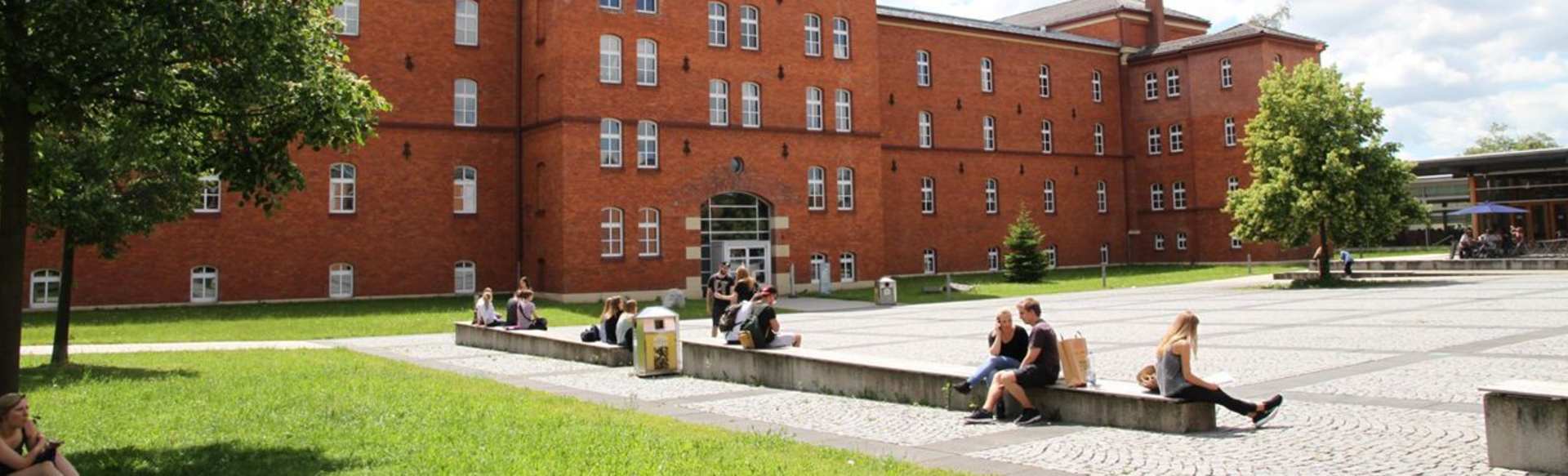

University of Applied Sciences Ansbach
Master of Engineering in Sustainable Building Systems
Ansbach, Germany
M.Eng. (Master of Engineering)
DURATION
3 semesters
LANGUAGES
English
PACE
Full time
APPLICATION DEADLINE
15 Sep 2026*
EARLIEST START DATE
TUITION FEES
EUR 1,000 **

STUDY FORMAT
On-Campus
* application period: 1st May – 15th September
** for non-EU nationals
Key Summary
About: The Master of Engineering in Sustainable Building Systems (SBS) at the University of Applied Sciences Ansbach trains you to cut buildings' energy use with smart sustainable technologies. It's full-time, English-taught at Feuchtwangen, starting winter semester. Standard period 3 semesters, degree M.Eng. Admission specific. Tuition for non-EU nationals €1000 per term. Apply 1 May–15 September.
Career Outcomes: Graduates enter smart-building, energy-efficiency and IoT sectors. Work as a freelance planner, certified energy consultant, in architectural offices, utilities, building-technology firms, or property and facility management. Roles include planning and operating technical building systems, energy production and distribution, product development and technical sales.
"We cannot solve our problems with the same thinking we used when we created them." - Albert Einstein
Did you know that buildings today account globally for substantial primary energy usage and electricity consumption? In the backdrop of global warming and limited availability of energy resources, our Masters program offers you an opportunity to apply your skills towards solving the global problems with future technologies.
Study Overview
- Short form: SBS
- Type of study: Full-time
- Standard period of study: 3 semesters
- Closing: Master of Engineering (M.Eng.)
- Start of studies: winter semester
- Admission restrictions: specific
- Tuition Fee for non-EU nationals: 1000 € per term
- Lecture location: Feuchtwangen
- Language of instruction: English
- Course management: Prof. Dr. Haresh Vaidya
- Student advisory service: Prof. Dr. Haresh Vaidya, Prof. Dr. Mathias Moog
- Application Period: 1st May – 15th September
Course Structure
The "Sustainable Building Systems" master's degree comprises 90 ECTS, which can be completed in three semesters. If you start with a degree that comprises less than 210 ECTS, you may have to plan additional time for catching up on modules/ECTS.
In the first semester, elementary technical knowledge about the components and participants of the system is imparted through the module "Electrical Engineering for Energy Applications". "Simulation of Building Energy Concepts" is one of the five digital modules in the first semester that deals with the interaction of the individual participants in the energy system. "Building Physics and Energy System Technologies" teaches students about physical phenomena affecting buildings, including the behavior of heat, air, and moisture, and their impact on energy efficiency, indoor air quality, and human comfort. “Sustainable HVAC ” (heating, ventilation, and air conditioning) involves the design, installation, and operation of HVAC systems that reduce energy consumption, minimize environmental impact, and enhance indoor air quality and human comfort. An elective module allows students to explore other exciting topics in the first and second semesters."
In the second semester, the “Virtual Power Plant” deals with another essential component for the building energy systems of the future, namely the combination of decentralized energy producers with systems for storing or otherwise using excess energy in so-called Power- to -X systems for a reliable supply. In “Photovoltaics engineering”, students learn the basics of solar and go through the design, development, and implementation of technologies that convert sunlight into electricity using semiconductor materials.“Smart Building Controls” refers to the use of automated systems and technology to optimize the performance of building systems, including HVAC, lighting, and security, to enhance energy efficiency, occupant comfort, and operational effectiveness. With “BIM (Building Information Modeling)” students learn digital representation of a building's physical and functional characteristics that facilitates collaboration and information exchange among project stakeholders. With "Basics Sustainability" students learn the most important sustainability models and analysis methods for sustainable development. From environmental and resource economics, basic methods for a fair distribution of environmental goods as well as environmental policy instruments and tools for sustainable spatial design are presented.
The third semester enables selected topics to be deepened as part of the “Master's Thesis” , which is planned in cooperation with various companies. The “Master's seminar on scientific work” accompanies the master's thesis, opens up the exchange between students in the form of lectures and provides the tools for solid scientific work.
You complete the master’s degree in three semesters. After successful completion, you will be awarded the internationally recognized academic degree Master of Engineering ( M.Eng .)
Smart building systems are becoming increasingly popular in today's world due to their ability to improve energy efficiency, optimize space utilization, enhance safety and security, and provide a better user experience. As more buildings become smart, the demand for skilled professionals in these fields will continue to grow. In addition, with the increased focus on sustainability and energy efficiency, there will be an even greater need for experts in smart building systems.
Furthermore, the growth of smart cities and the Internet of Things (IoT) will also create opportunities for professionals in smart building systems to collaborate with other industries and work on large-scale projects.
As a result, there are excellent job prospects for individuals with skills and expertise in smart building systems.
Branches
- Freelance planner
- Certified energy consultant
- Architectural offices
- Utilities and public utilities
- Companies in building technology and plant construction
- Property management
- Facility management companies
Fields of activity
- Planning of technical building systems in the areas
- Construction of technical building systems
- Specialist and manager in energy, building and supply technology companies
- Advice on the technical sale of products, plants and systems for supply engineering and technical building equipment
- Development of products, plants, supply engineering systems and technical building equipment
- Planning and operation in the field of energy production and energy distribution