
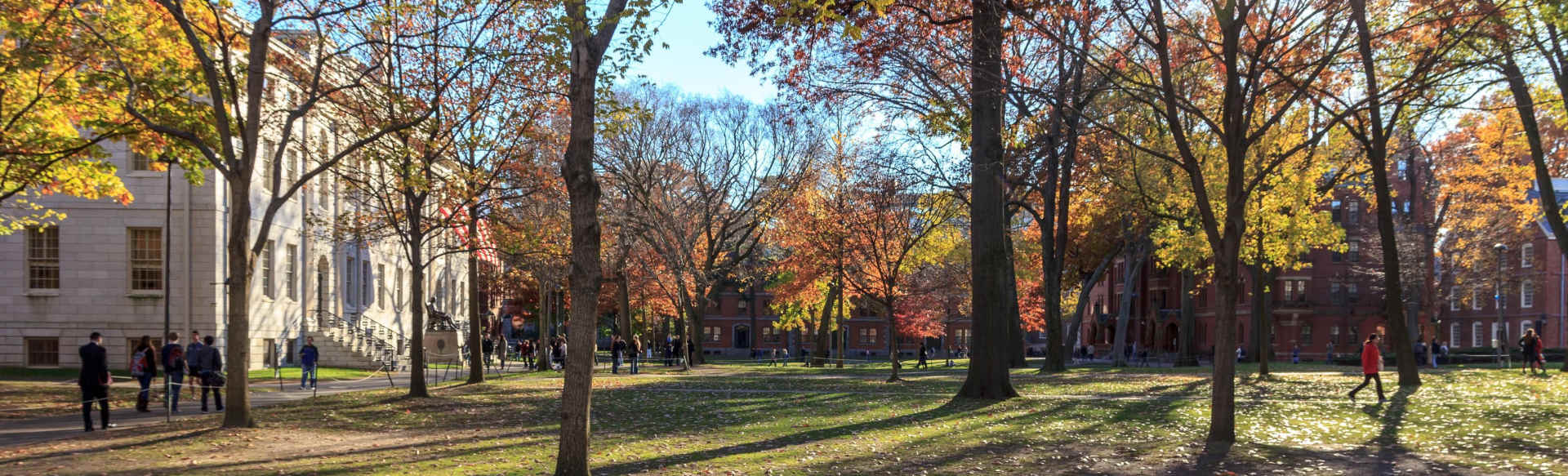

Department of Biology
Albuquerque, USA
Certificate
DURATION
3 years
LANGUAGES
English
PACE
Full time
APPLICATION DEADLINE
EARLIEST START DATE
Sep 2026
TUITION FEES

STUDY FORMAT
On-Campus, Distance Learning
Key Summary
About: The Department of Biology at the University of New Mexico spans genes to ecosystems, hosting major research programs like the Museum of Southwestern Biology, Sevilleta LTER and the Center for Evolutionary and Theoretical Immunology (CETI). With 32 faculty, nine lecturers, it trains 1,300 majors and over 100 graduate students, generates $9–13 million and publishes 100+ papers. Training programs include U‑RISE, PREP, Sevilleta REU and Museum Research Traineeship.
Career Outcomes: Graduates work in research, ecology, genomics, immunology, conservation, museum curation, biotech, public health, education and data science. UNM hosts 1,300 international students and offers AMIGO (3.5/40 GPA, up to $23,000).
With classes and research spanning genes to ecosystems and beyond, we are home to major research programs like the Museum of Southwestern Biology, the Sevilleta Long-Term Ecological Research Program (LTER), the Center for Evolutionary and Theoretical Immunology (CETI), and New Mexico Natural Heritage.
As a leader in funded research and scholarly productivity, our graduate and undergraduate students learn about research by doing it.
Undergraduate training programs in the department like U-RISE at UNM, the PREP at UNM program, and the Sevilleta REU sites program, as well as Graduate training programs like the Museum Research Traineeship, provide additional opportunities for students to engage with research.
Please look around to see all of the activity across our department and find a place for your own study of Biology!
About the Department of Biology
The Department of Biology at the University of New Mexico is one of the largest academic units in the state. The department faculty is comprised of 32 tenure track faculty and 9 faculty lecturers, training more than 1,300 majors and more than 100 graduate students. The operation of the department employs nearly 100 staff and research support positions. Our research activities generate $9–13 million per year in research funding and more than 100 papers per year.
We have deliberately fostered the concept of a single, large, interactive department conducting research and training graduate students across the spectrum of modern biology, one that blurs traditional boundaries and favors collaborative and multidisciplinary approaches. We have strong programs in ecology and evolution that embrace diverse research in ecosystems ecology, plant population and community ecology, behavioral ecology, metabolic ecology and collections-based studies in the Museum of Southwestern Biology. Lying in intermediate positions are integrative programs in parasitology and comparative immunology that cut across traditional disciplines, and at the cell/molecular end of the spectrum are programs in genomics, fungal biology and Drosophila development that also build on evolutionary themes. In addition to Biology majors, we serve students preparing for careers in the allied health sciences who take our non-majors courses en route to other programs on campus.
Current Semester Undergraduate Courses
Summer 2026
- BIOL2102 - Organisms to Ecosystems
- BIOL2210 - Human Anatomy & Physiology I
- BIOL2225 - Human Anatomy & Physiology II
- BIOL351 - General Microbiology
- BIOL400 - Senior Honors Thesis
- BIOL402 - T: Biology
- BIOL406 - T: Organismal Biology
- BIOL419 - T: Interdisciplinary Science
- BIOL499 - Undergraduate Problems
Current Semester Graduate Courses
Summer 2026
- BIOL519 - T: Interdisciplinary Science
- BIOL551 - Research Problems
- BIOL599 - Masters Thesis
- BIOL651 - Advanced Field Biology
- BIOL699 - Dissertation