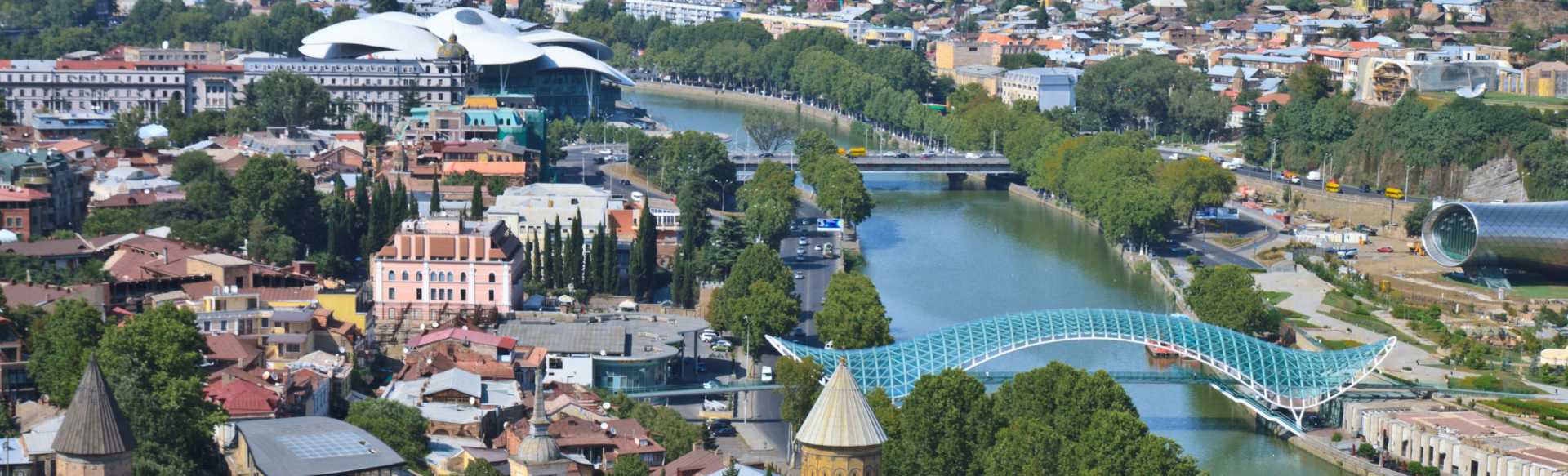

Master of Constructive (applied) geography and protection of the environment
Tbilisi, Georgia
Master degree
DURATION
LANGUAGES
Georgian
PACE
Full time
APPLICATION DEADLINE
EARLIEST START DATE
Aug 2026

STUDY FORMAT
On-Campus
Key Summary
About: The Master of Constructive (applied) Geography and Protection of the Environment at Sokhumi State University prepares you as a second-level master with broad knowledge in physical geography. You'll study natural processes, apply physical-geographical methods, analyze natural-anthropogenic systems, diagnose environments and make forecasts. The program trains you to research resources, develop regional development methods, explain exodynamic environmental transitions and design multidisciplinary solutions. It supports field activities and covers applied geography, environmental protection and resource management.
Career Outcomes: Graduates can work as environmental consultant, regional planner, natural resource manager, environmental policy officer, researcher, environmental educator or in environmental monitoring and assessment.
The purpose of the proposed program is to prepare an expert at the academic level of a qualified master of the second level of education, to give a broad and systematic knowledge in physical geography.
As a result of understanding the Master's program, the Master has general and regional broad and systematic knowledge of physical geography and great opportunities for activities, including: - in the study of natural processes, the creative use of physical and geographical methods, the conduct of thorough research on rational understanding of resources, the rationale for new methods in researching the factors of the firm development of the region, the achievement of perfect industrial practice and the establishment of harmony in the system of nature-human; - Comprehensive understanding and critical analysis of the natural-anthropogenic system (genesis, development, differentiation, rhythm, rotation), the possibility of intuitive achievements, a pragmatic understanding of the laws of nature, diagnostics of the natural environment and possible forecasts; - critical understanding of theories and principles of natural components relations, understanding of internal links of the natural system and existing phenomena, understanding of the causes and results of territorial differentiations; - scientific proof of the causes of exodinamic transitions of the environment and a critical understanding of generations, in a multidisciplinary environment, the development of pragmatic and innovative solutions to complex problems; - the use of educational, developmental and educational activities in the field.