

Master of Science in Statistical Methods and Applications
Rome, Italy
MSc
DURATION
2 years
LANGUAGES
English
PACE
Full time
APPLICATION DEADLINE
EARLIEST START DATE
TUITION FEES
EUR 1,500 / per year **

STUDY FORMAT
* visa seeking candidates: april 29, 2024
** tuition for our bachelor's and master's programs is € 300-1500/year
Key Summary
About: SMA (Statistical Methods and Applications) is a two-year Master of Science taught in English by the Department of Statistical Science, Sapienza University. The program mixes advanced data modeling, applied and computational statistics, statistical computing, and hands-on training to tackle scientific and socio-economic problems. The department has a research reputation and computing resources.
Career Outcomes: Graduates gain career opportunities in official statistics, National Statistics System (SISTAN) local bodies, national and international government organizations and European or supranational agencies (FAO, World Bank, United Nations). You can pursue PhD programs or roles as data scientist, statistician, biostatistician, quantitative analyst or policy analyst.
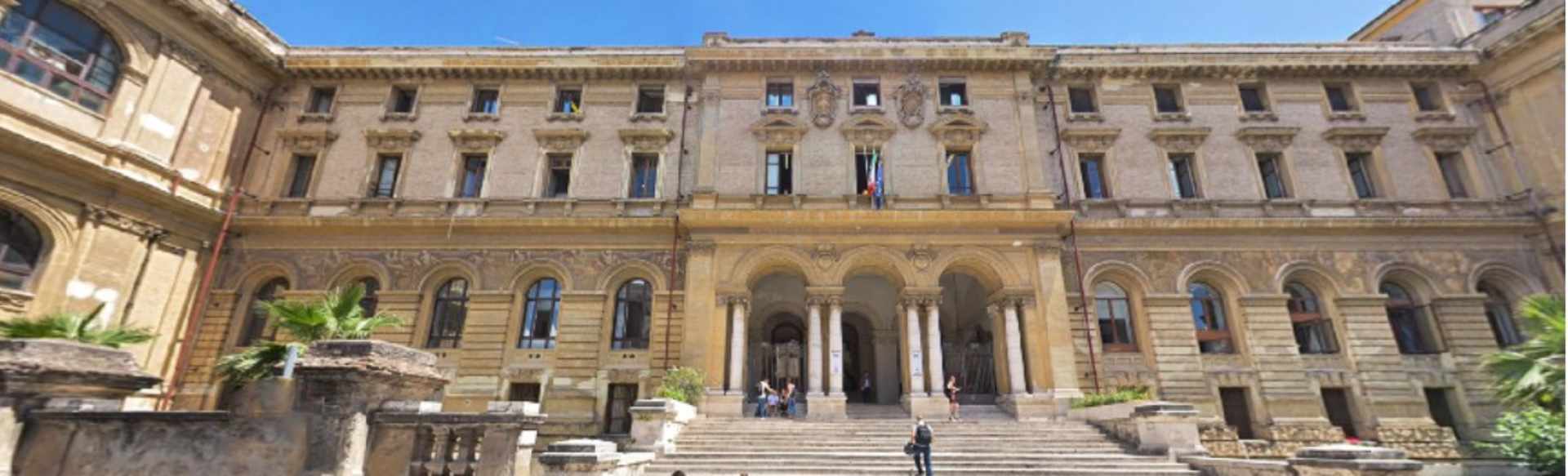
SMA - Statistical Methods and Applications - is the acronym of the two-year Master of Science (corresponding to the Italian Laurea Magistrale degree) entirely taught in English and delivered by the Department of Statistical Science (DSS). DSS is the largest Department of Statistics in Italy and its faculty members enjoy an international reputation in teaching and research. DSS hosts one of the most powerful computing resources at Sapienza University of Rome. The Master's program is entirely held in English. It provides students with specific statistical skills through a suitable mix of advanced data modeling methodologies and hands-on professional training to address complex scientific and socio-economic problems.
First-year
First semester
- Stochastic Processes
- At the student's choice
Second semester
- Sample surveys
- Data cleaning and integration in official statistics
- Data quality and other topics of official statistics
- For stages and internships at companies, public or private bodies, professional orders
- Applied econometrics
- Laboratory of financial and monetary statistics
Second year
First semester
Spatial statistics and statistical tools for environmental data
Second semester
Final exam
Learning outcomes
The degree programme aims to train professional figures who can manage the process of data collection, modelling and analysis to examine complex phenomena and to provide support to decision processes in institutions, companies, and private and public research institutes.
Specific learning outcomes are as follows:
- A sound basic knowledge of theory and applications of aleatory phenomena
- Knowledge of principles and methods of data collection, properly planned and with adequate quality control
- Knowledge of the most common and specific models for a variety of contexts of application
- Ability to work autonomously or in a team to solve application problems
- Written and oral communication skills in English, particularly in specialised terminology
- Sound basic knowledge allows a constant update
- Adequate knowledge to have access to national and international PhD programmes in core disciplines.
We can offer such convenient rates thanks to public funding from the Italian Ministry of Higher Education. Additionally, students can apply for various scholarships available at different levels, awarded based on academic merit and/or family income.
Graduates with the Statistical officer profile can work in official statistics institutions, local bodies of the National Statistics System (SISTAN), national and international government organizations, and other European and supranational organizations (FAO, World Bank, United Nations, etc.).
The degree program prepares students to have access to Ph.D. programs in core disciplines.