
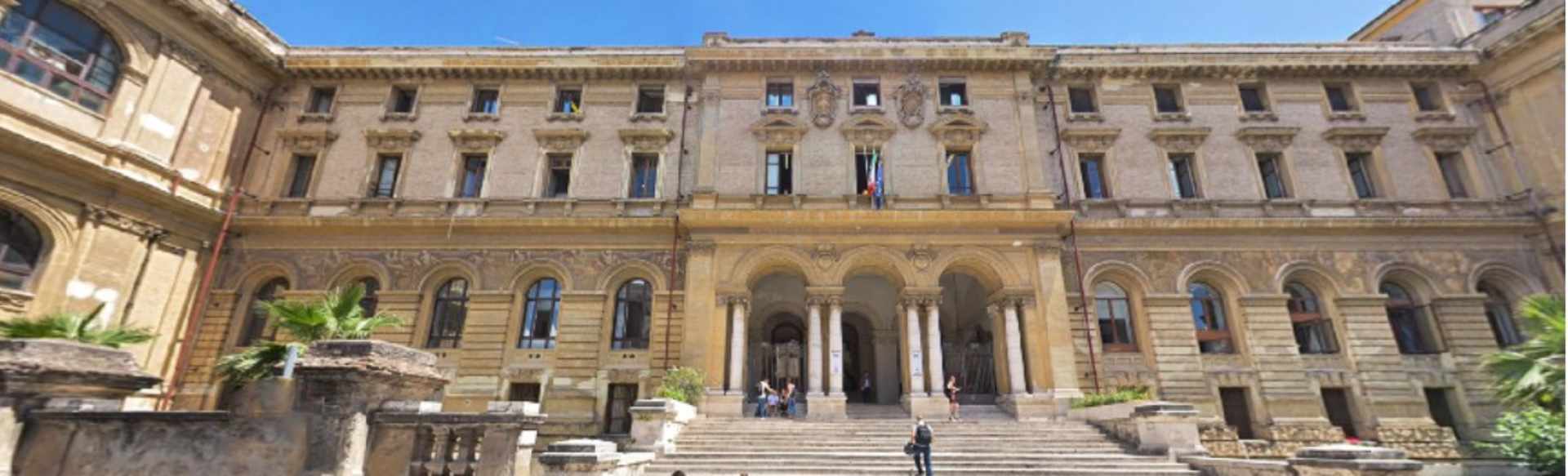

Master of Science in Space and Astronautical Engineering
Rome, Italy
MSc
DURATION
2 years
LANGUAGES
English
PACE
Full time
APPLICATION DEADLINE
EARLIEST START DATE
TUITION FEES
EUR 1,500 / per year **

STUDY FORMAT
On-Campus
* visa seeking candidates: april 29, 2024
** tuition for our bachelor's and master's programs is € 300-1500/year
Key Summary
About: The Master of Science in Space and Astronautical Engineering at Sapienza trains students in mission planning and analysis and design of launchers, satellites, telemetry and remote sensing systems. Year one covers spaceflight mechanics, attitude dynamics, controls, fluid dynamics, propulsion, structures and space systems. Year two offers four curricula and hands-on projects, internships and thesis research that prepare students for PhD study.
Career Outcomes: Graduates work in space industry, small and medium-sized companies, research centers, national and international space agencies, consulting firms and certification bodies. Roles include spacecraft engineer, mission analyst, propulsion or payload engineer, systems engineer and research scientist; skills map to systems engineering, satellite engineering, propulsion, telemetry and mission design.
The Program provides students with specific skills in space mission planning and the analysis and design of launchers, satellites, and remote metering/telemetry systems. It emphasizes systems-related and interdisciplinary aspects and is linked with research/innovation activities in European aerospace industries. Graduates will be able to address complex issues requiring analysis, development, simulation, and optimization in a wide range of aerospace-related topics. The Master course is organized as follows. 1st year: knowledge is provided in major aerospace areas, Spaceflight Mechanics and Attitude Dynamics, Controls, Fluid Dynamics, Propulsion (or telecommunications and remote sensing), Structures, and Space Systems. 2nd year: students can four possible different curricula, namely, Space transportation, Spacecraft design and integration, Space missions and exploration, and Space payloads and applications for telecommunication, navigation, and Earth observation During the course the students work in team in hands-on projects, and experimental activities related to the realization of cubesats, rovers, small rockets, just to mention some of the options. Moreover, in their final thesis project, the most skilled students can be involved in front-end research projects of current interest in aerospace engineering or internships in companies. The master course is also tailored to preparing students to join a Ph.D. program in aerospace engineering either at Sapienza or elsewhere.
First-year
First semester
- Control systems
- Gas dynamics
- Spaceflight mechanics
Second semester
- Electronics
- Rocket propulsion
- Space missions and systems
- Space structures
Second year
Second semester
- Conceptual design of a space mission
- At the student's choice
- Final exam
Learning outcomes
The Master's Degree in Space and Astronautical Engineering aims to provide students with advanced scientific and professional training with specific engineering skills that enable them to face complex problems associated with the analysis, development, simulation, and optimization of systems and subsystems. The Programme also provides students with appropriate training regarding the fundamental issues related to launchers, interplanetary missions of space vehicles, reentry capsules, and manned space missions, focusing on their systemic and scientific aspects.
The education it provides is primarily aimed at developing the most advanced research and design tools and innovation in the space industry, with particular reference to improving efficiency and reducing weight.
These skills are achievable thanks to the in-depth study of the knowledge already acquired during the Bachelor's Degree, which is deepened during the two-year master's Degree from a methodological and practical point of view.
We can offer such convenient rates thanks to public funding from the Italian Ministry of Higher Education. Additionally, students can apply for various scholarships available at different levels, awarded based on academic merit and/or family income.
Graduates typically practice their profession in the following areas:
- Industries in the space sector
- Small and medium-sized companies in the industrial sector of the space sector
- National and international public and private research centres
- National and international space agencies
- Consulting companies
- Service companies, certification bodies.