
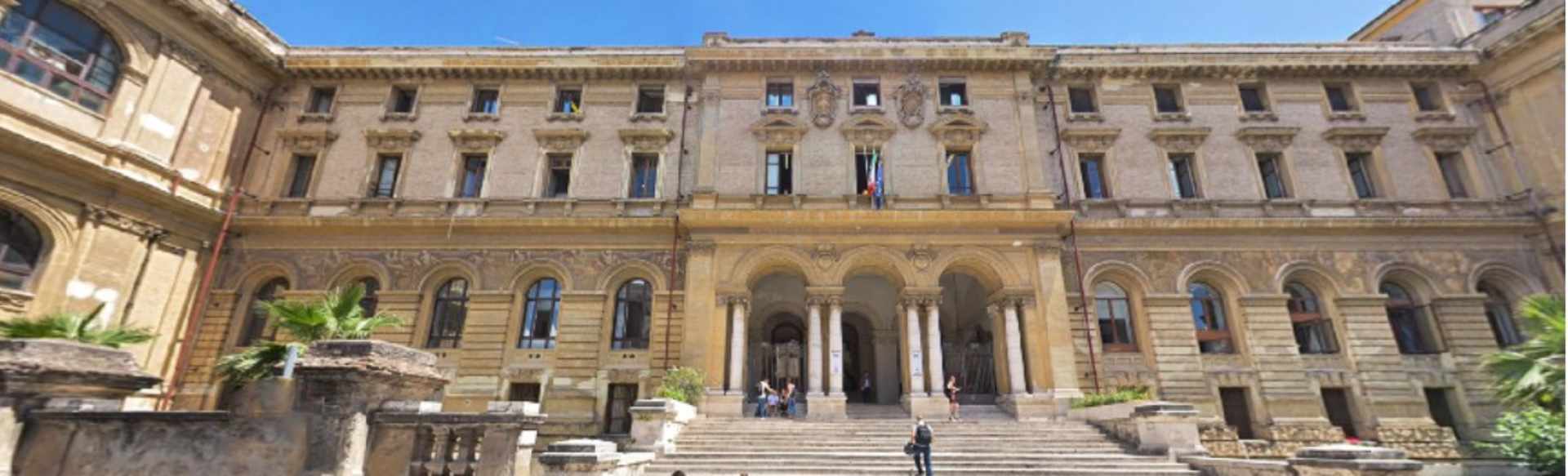

Bachelor of Arts in Classics
Rome, Italy
Bachelor's degree
DURATION
3 years
LANGUAGES
English
PACE
Full time
APPLICATION DEADLINE
EARLIEST START DATE
TUITION FEES
EUR 1,500 / per year **

STUDY FORMAT
* visa seeking candidates: april 29, 2024
** tuition for our bachelor's and master's programs is € 300-1500/year
Key Summary
About: The BA in Classics at Sapienza studies ancient Italy, Greece and Roman provinces through Ancient Greek and Latin, philology, archaeology and art history. You’ll read poets, historians and dramatists and use archaeological methods to interpret monuments and material culture. The programme trains you in textual and material analysis, critical interpretation and cultural heritage and professional skills.
Career Outcomes: Graduates work in communication and cultural events, newspapers and magazines, publishing houses, museums, exhibition centers and press offices. They can access specialist training and qualify as teachers. Other likely roles include museum curator, cultural heritage manager, researcher, editor and education professional.
To study Classics means dealing with the people and societies that have shaped Cultures, Languages, and Politics in the Western world. Artifacts and texts surviving from ancient Italy, Greece, and other “Provinces” of the Roman Empire (Europe, Near East, and North Africa) are still substantial and relevant markers in today's physical and cultural landscapes all around Europe and the Mediterranean.
The study of Ancient Greek and Latin will allow you to read and understand the voice of the Classical world: poets, historians, dramatists, scientists, mathematicians, architects, lawyers, magistrates, rulers as well as craftsmen, peasants, bakers, masons, men and women in their everyday lives. On the other hand, archaeological tools, procedures, and methods will enable you to reveal, perceive, reconstruct, and communicate the material complexity of the changing structure of monuments, places, and territories.
Such a way of being engaged with and looking at Classics will reveal to you the Past as a part of a historical process that influenced and continues to influence our Present. Modern questions and present challenges are the best cultural access point to “actual” knowledge, interpretation, and dissemination of Greek and Roman Culture as a part of the common Human Heritage. You will take over the methods of philology, art history, archaeology, law, philosophy, and science. All this will provide you with all the necessary tools to understand the past and move easily between the two cultures that merged under the insignia of the Roman Empire.
First-year
First semester
- Latin language and literature I
- Italian literature - principles
Second semester
- Principles of History of Italian Language
- Human geography
- Greek language and literature I
- General linguistics A
- Italian literature - principles
Second year
First semester
- Greek language and literature II
- Latin language and literature II
- Greek history
- Roman history A-B
Second semester
- Principles of classical philology
- Other useful skills for inclusion in the world of work advanced
- Foreign languages skills
- Computer skills
Third year
First semester
Classical philology
Second semester
- At the student's choice
- Final exam
Learning Outcomes
- Full proficiency in written and spoken Italian language
- Extensive knowledge of Greek and Latin Languages and Literature from the origin to the Middle Ages (with additional detailed studies about their development up until the present day) and of Italian Language and Literature from the origin to the present day
- Good knowledge of Ancient History including a wide selection of additional subjects (Archaeology, Epigraphy, History of Ancient Philosophy, and Orientalist disciplines)
- Basic knowledge of the History of Ancient Theatre and the History of Classical Languages
- Good knowledge of purposes and methods of interpretation of complex texts
- Good level of proficiency, written and spoken, in at least one EU language, as well as Italian
- Good understanding of IT procedures related to our area of expertise.
We can offer such convenient rates thanks to public funding from the Italian Ministry of Higher Education. Additionally, students can apply for various scholarships available at different levels, awarded based on academic merit and/or family income.
After enrolment and selection are made on the professional register, our graduates may work in the following fields:
- Companies and organizations working in communication and cultural events
- Newspapers and magazines
- Publishing houses
- Museums and exhibition centers
- Press offices
Undergraduates can also have access to specialized continuing education courses and become qualified teachers.