

Bachelors in Astrophysics
Bethlehem, USA
Bachelor's degree
DURATION
LANGUAGES
English
PACE
Full time
APPLICATION DEADLINE
EARLIEST START DATE
Sep 2026

STUDY FORMAT
On-Campus
Key Summary
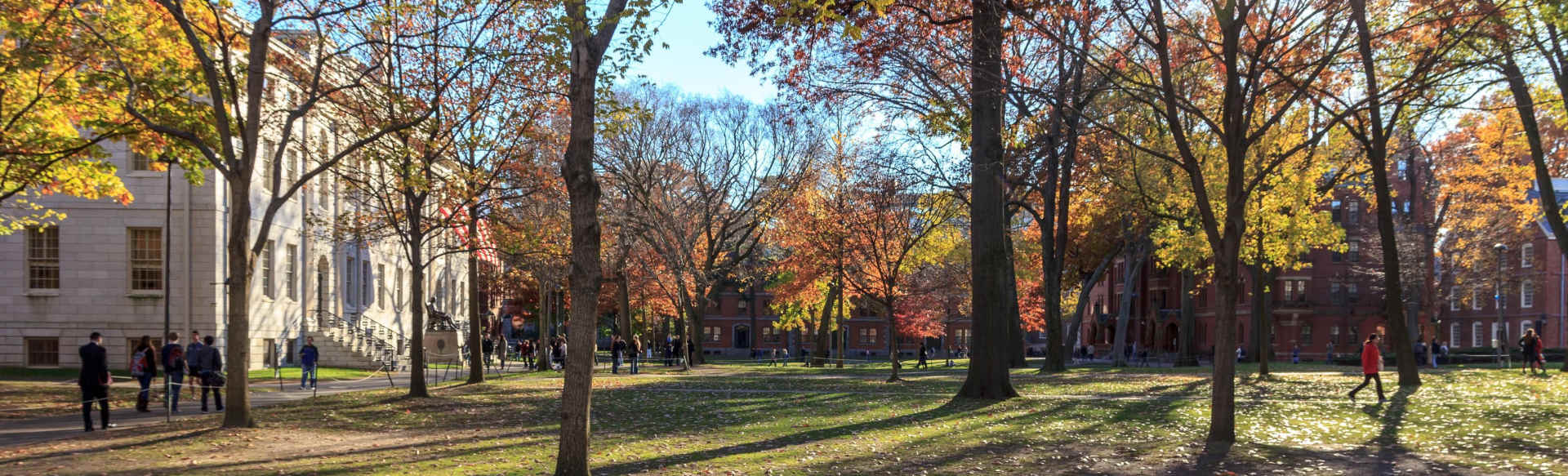
About: A Bachelor's in Astrophysics at Lehigh University (founded 1865 by Asa Packer) combines physics and astronomy to study stars, galaxies, black holes, and cosmology. The curriculum mixes theoretical coursework with observational techniques, data analysis, lab work, research projects and telescopic equipment training. Lehigh's Bethlehem, PA campus spans three contiguous areas, hosts about 7,200 students and keeps a low student-to-faculty ratio of about 10:1, which supports mentorship and personalized learning.
Career Outcomes: Graduates can move into research, observational astronomy, data science, aerospace engineering, science education and outreach, or pursue graduate study (Masters, PhD). They may work in government, industry roles.
A Bachelor's in Astrophysics provides a strong foundation in understanding the universe through the study of physics and astronomy. Students explore fundamental concepts like the nature of stars, galaxies, black holes, and other celestial phenomena. The program combines theoretical coursework with practical activities, including observations and data analysis, to help students develop problem-solving skills and scientific thinking. This allows students to build a solid understanding of how the universe works and to prepare for careers or further studies in science or related fields.
The curriculum emphasizes both physics and astronomy, encouraging students to learn how to analyze data, develop research skills, and think critically about cosmic questions. Students often have access to modern labs and telescopic equipment that foster hands-on experiences. Many programs also offer opportunities for research projects, internships, or collaborative work, giving students a chance to apply their knowledge in real-world settings. This approach helps them grow academically and gain confidence in scientific inquiry and technical skills, preparing them for diverse paths in the sciences or graduate study.


