- MA
- On-Campus
Master of Craft Studies
- duration
- 2 years
- languages
- English
- pace
- Full time
- Application Deadline
- Earliest start date
- tuition fees
- EUR 3,000 / per year
At a glance
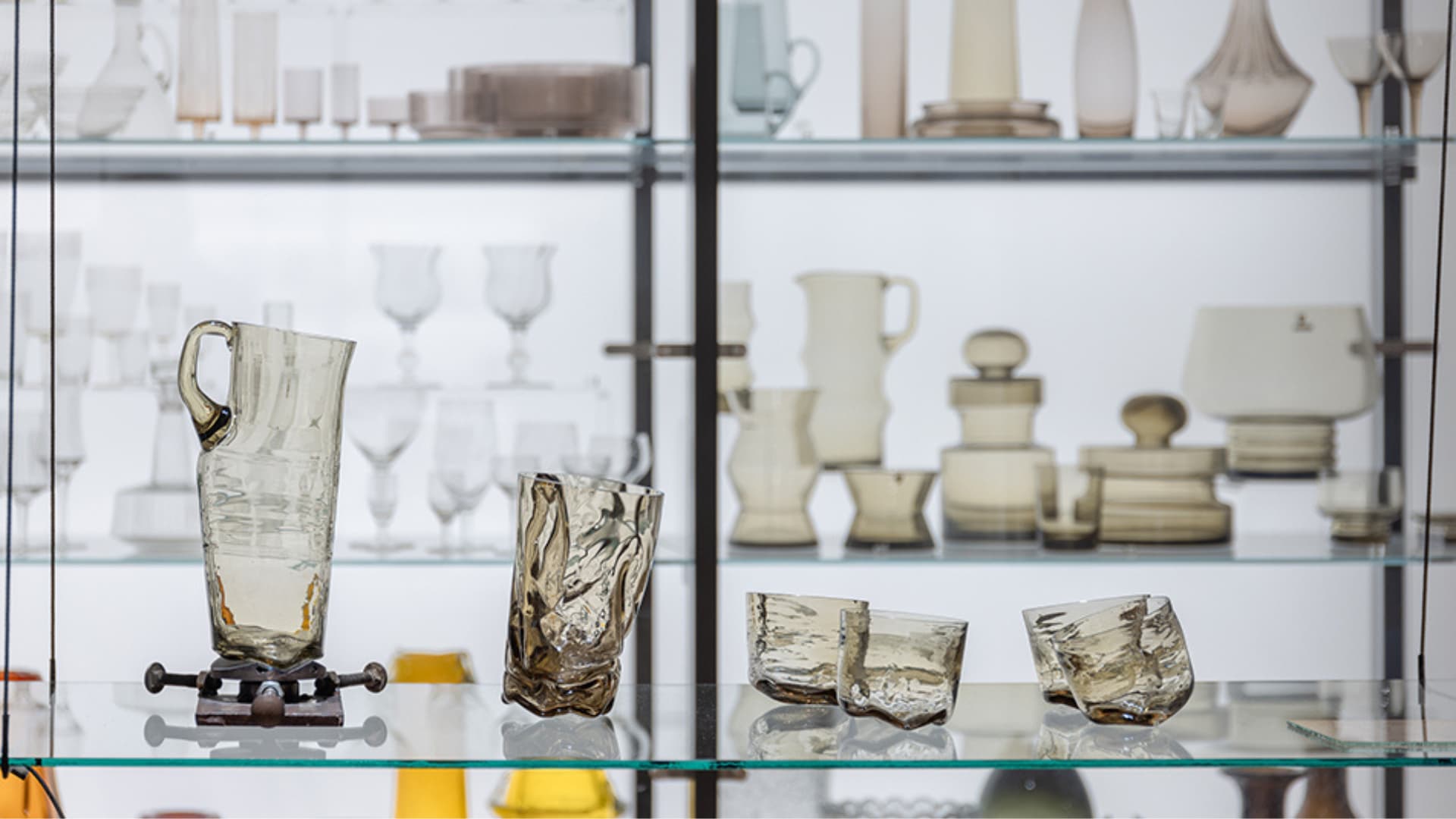
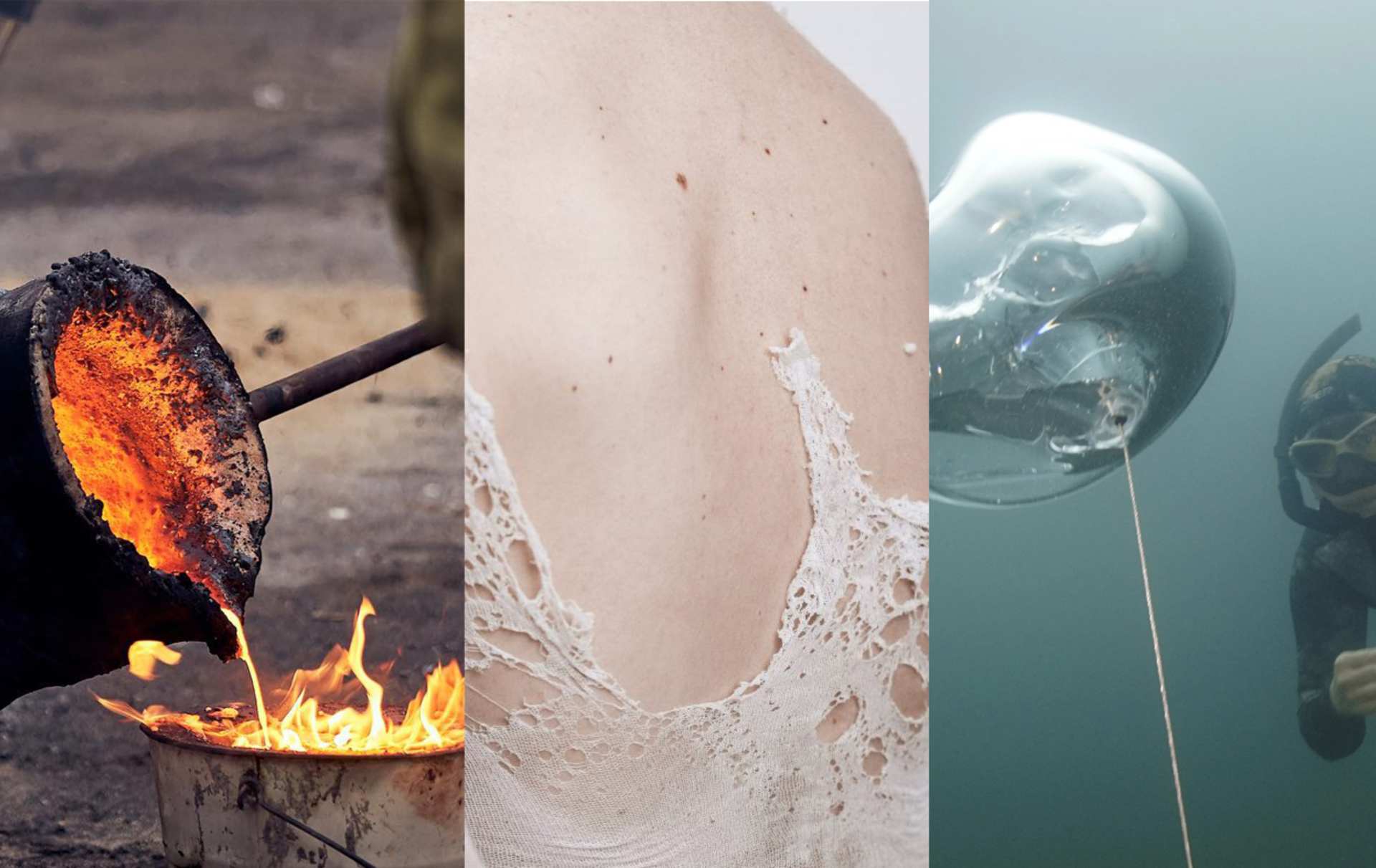
About: The Master of Craft Studies MA unites craft disciplines under a material philosophy, fostering a studio-based, research-led, hands-on approach. It helps makers develop individual studio practices, contribute to craft theory, challenge traditional making, and promote a caring attitude toward materials and environment. Studies blend theory and practice and encourage publishing via public presentations, exhibitions, and written work. An online info session is scheduled on January 15.
Career Outcomes: Graduates can work as studio makers, material researchers, craft practitioners, designers, curators, educators, conservators, or creative entrepreneurs, applying skills in exhibition curation, public engagement, research, sustainable material practice, and cultural heritage.
Craft Studies MA - online info session on January 15. More info and registration here.
Craft Studies curriculum combines many different craft disciplines under a larger material-oriented philosophy. The study programme aims to foster an inspiring and dynamic environment for makers to develop their individual studio practices as well as learn to contribute to broader craft theoretical discussions. Students will position themselves in the contemporary field through a research-based, hands-on study.
The MA programme was brought to life out of a shared need for new making practices and approaches to material engagements that would face head-on contemporary problems and worlds yet to come. Craft Studies challenges traditional ways of thinking about making (design, applied arts, handiwork, etc.) and the world of matter, promoting a caring and nurturing attitude towards our environment and the act of shaping materials.
This studio-based programme attempts to blend theory and practice, helping to understand and think about one’s process as well as put one’s theoretical findings into practice physically. One of the main objectives of the studies is to become accustomed to publishing through experiences of public presentations, exhibitions and publicizing written work.
Who can apply?
Craft Studies is a perfect programme for candidates who:
- are curious, self-motivated individuals aiming to establish a professional artistic practice, to become a critical craft maker and thinker;
- are ready to take on a high level of independent and disciplined study;
- wish to develop tools for generating and implementing creative ideas, experimenting, and exploring innovative research into materials, processes, and concepts;
- wish to engage in field trips and unconventional settings for gathering and investigating materials;
- have previous experience and are skilled in one of the craft specialities (not excl. to accessories, blacksmithing, ceramics, fashion, glass, jewellery, textiles); or can
- demonstrate other relevant qualifications;
- are interested in decolonizing, rethinking, and reimagining the discourse;
- are willing to obtain and communicate critical reflection and contextualization of their artistic/craft research and practice;
- or are interested in further studies and/or academic careers.
Admission Requirements
All the required documents, including the English language proficiency certificate, have to be submitted with the application by 2 March 2026 at 3 pm (EET).
- Application (submitted via DreamApply orSAIS: 01.02—02.03.2026)
- Payment confirmation (applications will only be processed after 80 EUR application fee is received by the Estonian Academy of Arts)
- Copy of your bachelor’s degree certificate or equivalent, and its translation into Estonian or English (please check the requirements here)
- Copy of your transcript of records, and its translation into Estonian or English (please check the requirements here)
- English language proficiency certificate (please check the requirementshere)
- Copy of the data page of your passport or ID-card
- CV
- Digital portfolio, in PDF format, capacity up to 40 Mb (no more than 10 projects with short descriptions). If the portfolio contains works in video format, they must be presented in the portfolio as a working web link.
- Completed questionnaire
Overview
Studios
In each Studio across four semesters, students focus on central principles, formats, processes and methods of artistic research, and their application in the development of autonomous creative practice and work processes. While the focus is on advancing individual skills and expanding the methodologies of creative practice and work processes, students learn to contextualize their work as research with relevant references, argumentations and source materials. Overall, Studios support the development of the author’s position and increase self-confidence in creating and presenting creative outcomes in different formats and contexts.
In addition, an important aspect of the learning consists of collective experiences: for example, the first semester begins with a collective week-long field trip into the wild, exploring the vernacular context, mapping and gathering materials, engaging with low-tech processes and tools – to shape an encouraging group dynamic and reflective work environment. Similar projects are coordinated throughout the studies, including group exhibitions and public interventions. Spontaneous student-driven activities are encouraged.
Craft Theory
Craft Theory lectures support the main Studios while bringing under discussion the most critical contemporary concepts, theories and topics related to craft, design and material research. Students are encouraged to integrate theory with practice while applying critical thinking and analytical skills – the use of correct terminology, reference system, documentation methods in research and experience-based approaches. Through reading and writing texts, reimagining and rethinking the role of making, students contribute to the development of material culture theories and research.
Professional Practice
Students get an opportunity to relate the knowledge acquired during their studies and gain direct experience for understanding the specifics of different types of professional practices. There are three settings: 1) assisting research projects in a lab environment at EKA or by contributing to doctoral investigations; 2) teaching alongside the faculty or proposing an optional elective course; 3) conducting an external studio-based internship.
General Studies
Alongside the Craft Studies, students can select various courses: general theory, faculty electives and optional subjects. The choice of subjects provides the students with an opportunity to plan a program according to their own interests and needs.
The general theory courses include e.g. Philosophy and Critical Thinking, Cultural Theory, History of Ideas, Academic Writing, Visual Literacy, Estonian Culture at the Crossroads and Creative Industries. Other optional courses vary annually, involving pedagogy, artistic research methodologies, semiotics, art activism, gender studies etc.
Final Thesis
The two-year studies are finalized with a substantial independent creative project demonstrating students’ ability to position, contextualize and reflect on the artistic research process and professional beliefs. Practice-led outcomes are accompanied by a written component. The manifestation of an individual unique vision leads to a public exhibition, intervention, design solution or an alternative presentation as part of the formal Thesis Defence.
Estonian Academy of Arts is listed among the Top 150 Art and Design Universities in the World by QS World University Rankings (2024).
EKA workshops and studios are open to all EKA students. Some need special training before use – the departments organize training and introductory courses for the use of workshops, which you will find listed in the academic schedule. You can also contact the workshop master directly. Workshops can be used during working hours at times when the facilities are not in academic use. EKA also has a technical equipment rental for students and staff, offering different technical items such as video and photo cameras, screens, batteries, speakers, microphones, etc.
Find the full list on the link below
The Estonian Academy of Arts, founded in 1914, is the only public university in Estonia offering higher education in fine arts, design, architecture, media, visual studies, art culture, cultural heritage and conservation. Located in the capital city, Tallinn, it is an active study and research institution and the leading national centre of innovation in visual culture. Studies take place in our new building with an innovative and inspiring environment. EKA is listed among Top 100 Architecture and Design Universities in the World by QS World University Rankings (2026).
Nearly 1,200 students from all parts of the world are engaged in the curricula to cultivate their analytical abilities and critical thinking with the aim to develop into environmentally and socially conscientious creators. They are taught and supported by nearly 300 professors, associate professors, lecturers and instructors who are professionals in their field – internationally recognised artists, architects, designers, and scholars who provide unique, individualised study and personal mentorship in an interdisciplinary and synergetic atmosphere. Small groups of carefully selected students enable a more personal, one-on-one approach to instruction and family-like, close-knit atmosphere and EKA prides itself on the low student-to-professor ratio.
The Estonian Academy of Arts’ new building in a reconstructed historical textile factory, designed by its alumni, was inaugurated in 2018 and has since received several awards for its architecture and interior design. Located between the picturesque UNESCO world heritage medieval Old Town and the vibrant Kalamaja district, the Academy stands as an oasis of art culture in the midst.
EKA offers six Master’s programmes taught in English: Animation, Contemporary Art, Craft Studies, Graphic Design, Interaction Design, and Urban Studies. In addition, there are two joint Master’s programmes: Literature, Visual Culture and Film Studies MA offered jointly with Tallinn University and Service Design Strategies and Innovations MA offered jointly with Latvian Art Academy and Lapland University. All Master’s programmes are two years (120 ECTS).
We also offer four international full-time doctoral programmes - Art and Design PhD,Architectue and Urban Planning PhD, Cultural Heritage and Conservation, and Art History and Visual Culture.
While offering a wide selection of specialties, EKA also offers unique, individualized study and personal mentorship by members of the faculty. The departments are strong bodies of competence on their own, while at the same time facilitating synergy and interdisciplinary studies, encouraging innovation and experimentation. EKA welcomes motivated people who are visually and socially sensitive and want to develop their thinking abilities, opportunities, and potential as creative people.
We invite you to join us!
INTERNATIONAL RELATIONS
The aim of the Academy is to be in the midst of life happening. That is why attention is paid to society and the professional world in broad terms.
EKA has close ties and cooperation agreements with more than 100 international universities and many international networks, through which student and faculty exchanges can be negotiated and apprenticeship opportunities can be expanded. EKA is a member of CUMULUS (International Association of Universities and Colleges of Art, Design and Media); EAAE (European Association for Architectural Education); ELIA (The European League of Institutes of the Arts), and through NORDPLUS is a member of many professional networks (e.g. CIRRUS, KUNO). EKA is also part of the Transform4Europe alliance.
Since 1999, EKA has been a member of The European Commission’s Lifelong Learning Programme for Higher Education, Erasmus, under which more than 100 bilateral exchange agreements have been signed. In addition to the Erasmus programme, the Estonian Academy of Arts has entered into student and faculty exchange and cooperation contracts with ten internationally recognised art universities outside of the European Union.
Regular and intense contacts are maintained with the world outside academia through exhibitions and publishing work, through organising many events, and in cooperation with businesses and public institutions.
Foreign relations, faculty and student exchanges, advice on foreign apprenticeship opportunities, and grant information are coordinated by the International Relations Office.
COLLABORATION AND ENTREPRENEURSHIP
EKA collaborates with universities, cultural institutions, artistic associations, local government bodies, and businesses in Estonia and abroad.
The Estonian Academy of Arts cooperates with many Estonian and international businesses in the field of science and development. The partners vary depending on the area of specialisation, and the Academy is able to offer a range of services from research and analysis to creating prototypes.
The Department of Development is the link between education and business. The services and solutions supporting EKA’s main activities are worked out, giving legal and entrepreneurial advice to staff and businesses for carrying out collaborative projects with the Academy’s departments. The Department of Development interacts actively with businesses in Estonia and abroad and carries out joint projects. Many students complete design tasks for Estonian companies in the public and private sectors and take part in international and local competitions during their studies.
The Department of Development organises training in the fields of entrepreneurship, intellectual property rights, career planning, international apprenticeship, and project management. Students are advised in making business plans, and there are numerous resources available to EKA’s spin-off businesses (companies founded by students during their studies). The department coordinates interdepartmental development projects and, if necessary, carries out science and development projects. The Department of Development manages EKA’s local and international co-sponsored or joint projects.
