
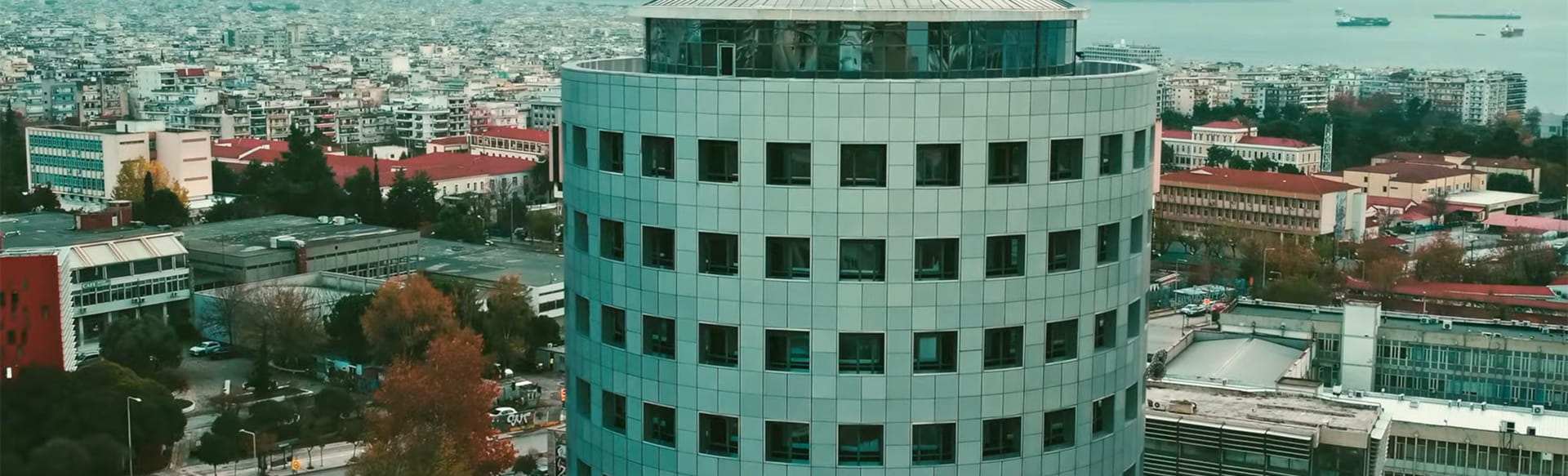

Aristotle University of Thessaloniki
Bachelor in Clean Energy Science and Engineering
Thessaloniki, Greece
Bachelor's degree
DURATION
4 years
LANGUAGES
English
PACE
Full time
APPLICATION DEADLINE
EARLIEST START DATE
Sep 2027
TUITION FEES
EUR 8,000 / per year

STUDY FORMAT
On-Campus
Key Summary
About: The Bachelor of Science (BSc) in Clean Energy Science and Engineering at Aristotle University of Thessaloniki emphasizes engineering analysis, computational modeling and laboratory experimentation from year one. Students design, build, measure and optimize systems for energy production, conversion and storage, linking scientific principles to applied engineering practice. The degree is worth 240 ECTS, aligns with the European Higher Education Area and the Bologna Process, and supports mobility such as Erasmus+.
Career Outcomes: Graduates work as Energy Systems Engineer, Sustainability Consultant, Energy Systems Analyst, Hydrogen Storage Specialist, Technology Analyst, Research and Development Engineer, Renewable Energy Engineer, or pursue postgraduate study.
Many programmes approach the energy transition primarily through policy, management or environmental debate. This BSc places engineering analysis, laboratory work and system design at the centre of the student experience.
Clean energy, engineered from the first year
Students progressively model, design and evaluate energy technologies using engineering methods, laboratory evidence and computational tools. From the first semesters, the emphasis is on building, measuring and improving real systems rather than discussing them in the abstract.
Engineering analysis, computational modelling and laboratory experimentation run through the curriculum together. Students work directly with thermofluids and energy systems, electrochemical and hydrogen storage, clean combustion, smart grids and life-cycle assessment — the analytical and experimental core of the clean-energy sector.
As they advance, scientific principles are connected to applied engineering practice across energy production, conversion, storage and sustainability. The result is graduates who can size an installation, interpret performance data and optimise an energy system from end to end.
Common approach
Clean energy as a broad theme
- Framed mainly through policy, management or regulation
- Limited exposure to core engineering analysis
- Generalist study before technical specialisation
- System design often postponed to postgraduate level
European academic framework
Designed for international academic mobility
Graduates receive a Bachelor of Science degree worth 240 ECTS, structured within the European Higher Education Area and the Bologna Process. This supports academic transparency, international comparability and progression to further study in Europe and beyond.
Within this European academic environment, students may also pursue exchange opportunities such as Erasmus+, gaining international study experience during their degree.
Year 1 — Scientific Foundations
Semester 1
- General Chemistry
- Calculus
- Physics for Energy Materials Engineers
- Introduction to Programming
Semester 2
- Technical Mechanics
- Physical Chemistry for Energy Systems
- Linear Algebra & its Applications
- Energy Resources
- Statistics
Year 2 — Engineering Core
Semester 3
- Data Analysis & Modelling
- Thermofluids
- Materials Science & Engineering
- Energy Systems
Semester 4
- Engineering Design & Analysis
- Electrochemical Energy Storage
- Computational Methods for Simulating Energy Materials
- Circuitry & Electronics
- Bioengineering & Biotechnology
Year 3 — Advanced & Applied Energy
Semester 5
- Sustainability Engineering & Circular Economy
- Electrical Machines
- Clean Combustion
- Bioprocessing for Clean Energy Production
- Computational Approaches for Materials in Energy Systems
Semester 6
- Engineering Professionalism
- Renewable Energy Technologies
- Chemical & Physical Processes for Clean Energy Production
- Life Cycle Sustainability Assessment (LCSA)
Year 4 — Specialisation Directions & Projects
Semester 7
- Industrial Processes Design
- Operations Research & Optimization
- Heat Devices & Engines
- Energy Systems Control
- Distributed Energy Production
- Hydrogen & Fuel Cells
- Energy Systems in the Built Environment
- Energy & Environment
- Turbomachines
- Senior Project
Semester 8
- Energy Finance
- Applications in Agriculture
- Smart Grids
- Modeling & Optimization of Energy Systems
- Battery Management in Electric Vehicles
- Energy from the Chemical Recycling of Waste Plastics
- Capstone Project
Specialisation begins in semester 7. Choose one of three directions — Plant Design, Clean Energy Applications or Smart Systems — and complete three direction courses, two electives from the pool, a Senior Project (12 ECTS) and a Capstone Project (18 ECTS). The two projects are common to all directions
Seven career pathways the degree prepares you for
These representative pathways are linked to courses within the curriculum, showing how academic study translates into professional preparation and postgraduate opportunities.
- Clean Energy Systems Engineer
- Sustainability and Energy Consultant
- Energy Systems Analyst
- Hydrogen and Energy Storage Specialist
- Clean Technology Analyst
- Research and Development Engineer
- Renewable Energy Engineer