Filters
Preparatory
Humanities
130 Archaeology and Anthropology Course Programs


Find your perfect program
Answer a few questions and we'll match you with the programs that suit you!



Haverford, USA
Course
On-Campus
English


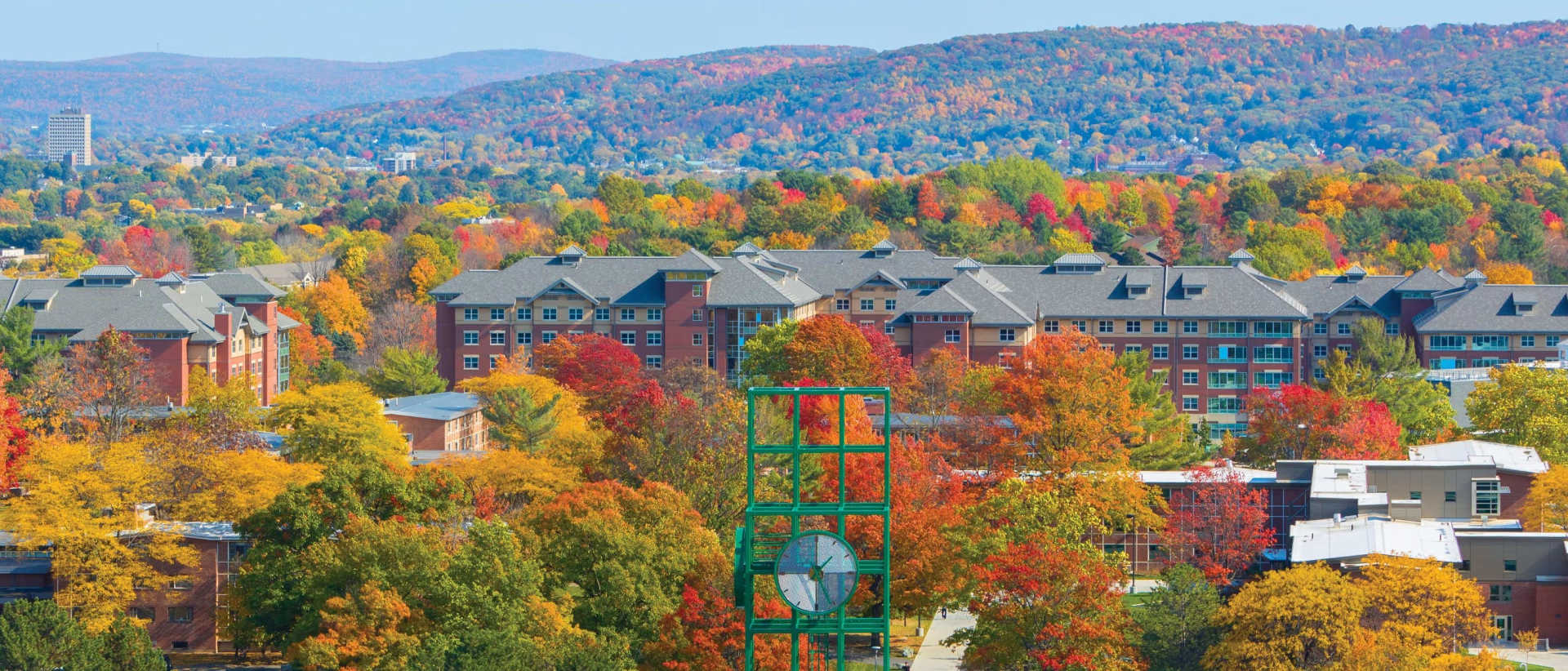

Binghamton University, USA
Course
4 years
On-Campus
English





London, United Kingdom
Course
Distance Learning
English
Learn more about Archaeology and Anthropology Course programs
You'll examine human history from the ground up, literally, studying material remains, cultural practices, and social structures across time and place. Archaeology and Anthropology coursework covers everything from excavation methods and artifact analysis to ethnographic fieldwork and the interpretation of ancient societies.
The learning environment fosters intellectual curiosity and independent inquiry across disciplines. At the courses level, you move beyond introductory concepts and into specialized areas: osteological analysis, geospatial survey techniques, and the theoretical frameworks that shape how we understand human behavior and cultural change. You'll also practice research design and academic writing at a level that mirrors professional and postgraduate standards.
Career paths from this area span museum curation, heritage management, cultural resource consulting, and field research roles. Some graduates move into government agencies focused on historic preservation or work with NGOs on community-based research projects. Others continue into postgraduate study. The analytical and observational competencies you develop, reading sites, interpreting material culture, and synthesizing qualitative data, transfer well across the social sciences and public sector.