Education System in Switzerland
100+ Institutions·800+ ProgramsKey Takeaways
- Number of universities: 12 universities, plus 10 universities of applied sciences and 20 universities of teacher education
- International students enrolled: 78,500 international students enrolled in Swiss higher education
- Academic year: September to May
- Main qualification framework: Bologna Process (Bachelor's, Master's, Doctorate)
- Languages of instruction: German, French, Italian, and English (many Master’s programs)
Degree Structure and Credits
Switzerland follows the Bologna Process, offering three main degree cycles:
- Bachelor's degree: usually 180 ECTS credits (typically three years)
- Master's degree: usually 90–120 ECTS credits (one and a half to two years)
- Doctorate (PhD): research-based programs that vary in length
Most Swiss universities use the European Credit Transfer and Accumulation System (ECTS), making qualifications widely recognized across Europe.
Types of Higher Education Institutions
Switzerland hosts:
- 12 universities
- 10 universities of applied sciences
- 20 universities of teacher education
Federal institutes of technology (public examples):
- ETH Zurich
- EPFL
Traditional public universities (examples):
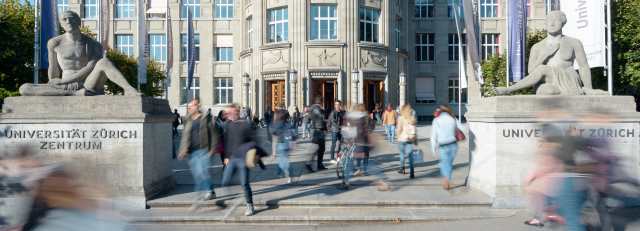
- University of Zurich
- University of Geneva
- University of Basel
- University of Bern
Applied sciences and teacher education:
- HES-SO
- ZHAW
- PH Zurich
Academic Calendar and Application Intakes
Core academic year: September to May.
Example application deadlines (confirm annually with each school):
- ETH Zurich: Bachelor Jan 15; Master Dec 15
- University of Zurich: Bachelor Feb 15; Master Jan 31
- EPFL: Bachelor Jan 31; Master Dec 31
Admissions checklist for timing:
- Note program-specific deadline and required documents.
- Allow time for translations, notarizations, and credential evaluations.
- Plan for visa processing if you need a student permit.
- Confirm the intake month with the faculty if multiple starts exist.
Grading Systems and Credit Recognition
Most Swiss universities use a grading scale from 1 to 6, where 6 is the highest grade, and 4 is typically the minimum passing grade. Credit requirements follow the ECTS framework, although individual programs may have additional progression requirements.
How Swiss Higher Education Compares Internationally
Switzerland consistently ranks among the world's strongest higher education systems. Universities such as ETH Zurich, EPFL, the University of Zurich, and the University of Geneva regularly appear in international university rankings.
Compared with many other countries:
- Swiss universities place a strong emphasis on research and innovation.
- Degrees follow the Bologna Process, making them widely recognized across Europe.
- The country has a highly international student population, with around 78,500 international students enrolled.
- Close collaboration between universities and industry creates strong opportunities for internships and graduate employment.
Practical Next Steps for Applicants
Before applying:
- Compare programs and admission requirements.
- Check application deadlines.
- Prepare academic transcripts and language certificates.
- Review visa and financial requirements.
- Explore scholarship opportunities offered by universities and the Swiss Government.
FAQs
The academic year runs from September to May.
There are 12 universities, plus 10 universities of applied sciences and 20 universities of teacher education.
About 78,500 international students are enrolled in Swiss higher education.
Application deadlines vary by university and program. Many autumn-semester applications close between December and February, but you should always confirm the dates with your chosen institution.