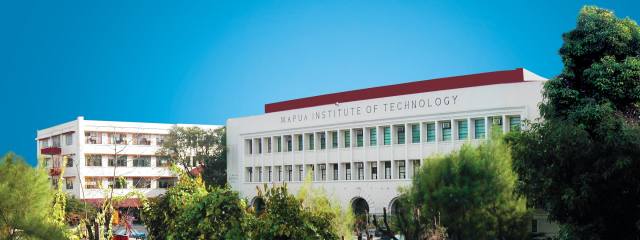
Student Life in Philippines
26 Institutions·100+ ProgramsKey Takeaways
- Typical tuition range for international students: $1,000 - $4,000 per year (undergraduate $1,000 - $3,000; graduate $2,000 - $4,000)
- Estimated monthly living costs: $200 - $600 per month, depending on city and lifestyle
- Shared apartment rent: $150 - $300 per month for a room in a shared apartment
- Student visa proof of funds: $7,000 - $10,000 required for a student visa
- Health insurance premiums for international students: $300 - $600 per year
Introduction — Life as an International Student
You can expect an affordable student life with clear cost ranges.
- Tuition for international students: $1,000 - $4,000 per year.
- Monthly living costs: $200 - $600 depending on city and lifestyle.
- Common study destinations: Manila, Cebu, Davao.
- Notable universities: University of the Philippines, Ateneo de Manila University, De La Salle University.
You will handle paperwork and planning before arrival.
- Key pre-arrival steps:
- Get an official acceptance letter from your university.
- Apply for a student visa and prepare proof of funds ($7,000 - $10,000) and health insurance.
- Submit academic transcripts and proof of English proficiency.
Cultural Aspects and Everyday Customs
Filipino culture mixes Filipino traditions with Western influences.
- Common cultural features:
- English is widely used in universities and daily life.
- The national curriculum includes local subjects such as a course on the life and works of Rizal.
- Practical cultural tips:
- Learn basic greetings and polite forms of address.
- Be ready for communal meals and group events in campus life.
You will find many opportunities to learn local customs in class and on campus.
Social Life and Extracurricular Activities
Campus clubs and events offer structured ways to meet people.
- Typical activities:
- Student clubs and societies in arts, sports, and academics.
- University events and local festivals near campuses.
- Ways to connect if you like meeting many people:
- Join clubs with regular meetings.
- Attend campus fairs and student-organized shows.
- Ways to recharge if you prefer quieter settings:
- Use campus libraries and study groups.
- Explore small cafés or quiet coastal spots near cities such as Cebu and Davao.
- Travel from campus:
- Popular short trips include Boracay, Palawan, and Siargao for weekend breaks.
Accommodation Options and Living Costs
Housing choices range from shared rooms to private flats with clear price bands.
- Common accommodation types and costs:
- Shared apartment: $150 - $300 per month for a room.
- Self-catered living and private studios will be at the higher end of the monthly living cost range ($200 - $600).
- Steps to find housing:
- Check university dorm listings or notice boards.
- Search local rental platforms and university Facebook groups.
- Arrange short-term stay for your first weeks to view options in person.
- Budget tips:
- Share utilities and groceries to lower monthly expenses.
- Consider location trade-offs: central areas cost more but reduce transport time.
Part-time Work and Earning While Studying
Work opportunities vary and official visa conditions matter for on-campus and off-campus work.
- What the provided sources state:
- Part-time job availability is not specified in the provided facts.
- Practical next steps to explore work options:
- Check your university’s career office for student job listings.
- Review the student visa rules on the official visa page: student visa.
- Look for campus roles such as library assistant or research support.
- Tips for finding paid roles:
- Network at campus career fairs.
- Use university bulletin boards and local job sites.
What to Expect from the Student Experience
You will balance study, campus life, and local travel within affordable costs.
- Academic and social balance:
- Tuition and living cost ranges make planning straightforward.
- Campus clubs and local attractions provide social outlets and study breaks.
- Dates and timing:
- Application deadlines commonly fall between January and May for the academic year starting in August.
- Health and safety basics:
- Health insurance is required; expect premiums of $300 - $600 per year.
You will have room to explore the local culture and find the routines that fit your preferences.
Frequently asked questions
How much does it cost to study in the Philippines?
Tuition for international students typically ranges from $1,000 to $4,000 per year. Monthly living costs are usually $200 to $600, and shared apartment rent runs $150 to $300 per month.
What documents do I need for a student visa to the Philippines?
You will need an acceptance letter, proof of funds ($7,000 - $10,000), and health insurance. For full visa procedures and documents, check the official student visa page: student visa.
Is health insurance required and how much does it cost?
Health insurance is required for international students. Premiums range from $300 to $600 per year according to the provided facts.
When should I apply to start studying in August?
Application deadlines commonly fall between January and May for programs that start in August. Start gathering transcripts and proof of English proficiency well before those dates.
Can I work part-time while studying in the Philippines?
The provided sources do not state specific part-time work rules. Check your university career office and the official student visa rules on the visa page: student visa.