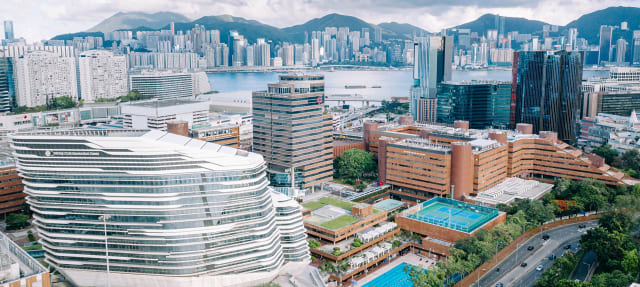
Student Life in Hong Kong
56 Institutions·700+ ProgramsKey Takeaways
- Proof of funds required for visa: HKD 120,000 (USD 15,000)
- Estimated monthly living expenses: HKD 10,000 to HKD 15,000 (USD 1,280 to USD 1,920) per month
- Tuition range for international students: HKD 130,000 to HKD 250,000 per year
- Annual health insurance premium range: HKD 1,500 to HKD 3,000 (USD 192 to USD 384) per year
- Typical university application window: December to March for entry the following academic year
General Introduction to Student Life in Hong Kong
Hong Kong combines busy academics with a lively city life. You will find strong exam preparation and heavy study loads at many universities. CUHK is named as a prominent institution and study areas are often full during the day. Practical items to note:
- Application window: December to March for the following academic year.
- Proof of funds for visa: HKD 120,000 (USD 15,000).
- Tuition range for international students: HKD 130,000 to HKD 250,000 per year.
- Average living expenses: HKD 10,000 to HKD 15,000 per month.
- Health insurance premium range: HKD 1,500 to HKD 3,000 per year.
You may feel academic pressure early in your course. Many students prepare for exams weeks in advance. Grading on a curve can affect class rankings. These are practical realities you will notice quickly.
Cultural Aspects
Hong Kong blends Eastern and Western customs across daily life. Expect a range of activities and social norms rooted in both traditions.
- Local activities: hikes, beaches, nightlife, and varied culinary options.
- Family patterns: many students return home on weekends to spend time with family.
- School culture: many students prioritise education over extracurricular activities.
- International schools: Harrow International School is noted for promoting inclusivity and independence.
You may have cultural questions. It is normal to be curious about social customs. Approach people with polite questions and an open attitude.
Social Life and Activities
Social life in Hong Kong ranges from busy city outings to quiet weekend escapes.
- Group activities: nightlife districts and organised hikes are popular.
- Food scene: diverse culinary experiences span street stalls to full-service restaurants.
- Weekend options: beaches and short hikes are common weekend choices.
- Exchange programs: many exchanges run from January to May and may include scholarships that cover living costs.
Plan time for study. Students often prioritise study over socialising. Study spaces are busy throughout the day.
Accommodation Options and Costs
Expect living costs and family arrangements to shape where you stay.
- Typical expenses: HKD 10,000 to HKD 15,000 per month for living costs.
- Family arrangements: many students return home on weekends and rely on parents for meals and laundry.
- Financial planning: tuition ranges from HKD 130,000 to HKD 250,000 per year, so budget for housing within your monthly estimate.
- Scholarships: available amounts range from HKD 10,000 to full tuition coverage.
Use your budget to choose practical housing and living arrangements.
Part-time Work and Balancing Study
Information about part-time job rules is not provided in these facts. Check official visa guidance for work eligibility:
- Visa and work: rules vary by visa; check the official student visa page for details.
- Balance tip: many students prioritise academics and prepare for exams weeks ahead.
- Health cover: plan for an annual insurance premium of HKD 1,500 to HKD 3,000.
If you want paid work, visit the official visa guidance for permitted hours and conditions. The visa page clarifies what work you may do while studying.
What Shapes the Student Experience in Hong Kong
Several concrete factors shape life for students in Hong Kong.
- Academic intensity: preparation for exams often starts weeks before tests.
- Grading system: courses are graded on a curve, adding competition to class performance.
- Support options: scholarships may reduce tuition costs, from HKD 10,000 to full coverage.
- Exchange length: typical exchange terms run January to May.
These elements make the daily routine focused and structured. You can plan study blocks around city activities to keep balance.
Options for Social and Quieter Students
There are clear ways to fit student life to your social style.
- If you prefer group settings:
- Join nightlife outings and organised hikes.
- Take part in group study sessions to share preparation time.
- If you prefer quieter time:
- Use busy study spaces for focused work during daytime.
- Visit beaches and trails on quieter weekends.
Both approaches are common. Plan study time early, especially before exams.
Frequently asked questions
How much does it cost to live in Hong Kong as a student?
Average living expenses are HKD 10,000 to HKD 15,000 per month. Factor in tuition, which ranges from HKD 130,000 to HKD 250,000 per year, and health insurance costing HKD 1,500 to HKD 3,000 annually.
How much proof of funds do I need for a Hong Kong student visa?
You must show HKD 120,000 (USD 15,000) as proof of funds for the student visa. Check the official visa page for the latest documents and requirements.
When should I apply to universities in Hong Kong?
Application deadlines fall between December and March for entry the following academic year. Prepare supporting documents and funding evidence before this window.
Are there scholarships for international students in Hong Kong?
Yes. Scholarships for international students range from HKD 10,000 to full tuition coverage. Some exchange scholarships also cover living expenses during January to May terms.
How long do exchange programs usually last in Hong Kong?
Exchange programs commonly run from January to May. Exchange scholarships may be available to cover living costs for that period.