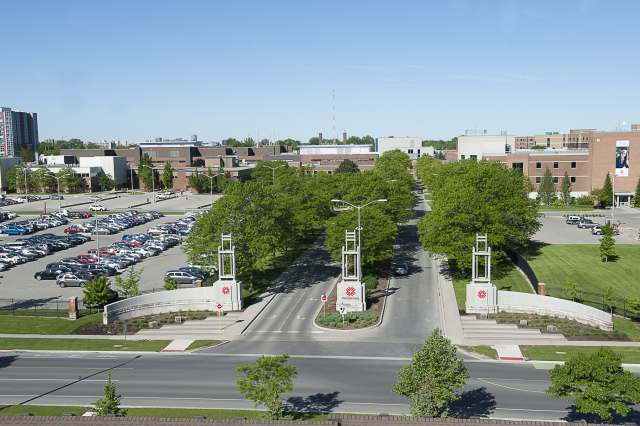
Study in Canada
300+ Institutions·4,600+ ProgramsKey Takeaways
- Number of universities: over 100 universities
- Average tuition: 15,000 - 35,000 CAD per year
- Estimated living costs: 1,500 - 2,500 CAD per month
- Academic calendar: September to June
- Top student cities: Toronto, Vancouver, Montreal, Ottawa, Quebec City
Why Study in Canada
Quick Overview
Canada welcomes a large international community. You will find programs in English and French. The higher education system spans many universities and colleges across major cities.
What Appeals to Students
You can expect an academic calendar from September to June. Programs range across research and professional fields. Many students value the chance to study near industry hubs and research centres.
What Higher Education Looks Like
Institutions and Degrees
Canada has over 100 universities. Degree lengths vary by level:
- Bachelor's: 3–4 years
- Master's: 1–2 years
- PhD: 3–6 years
Notable Institutions and Locations
- Examples of universities include the University of Toronto, McGill University, and the University of British Columbia.
- Major student cities include Toronto, Vancouver, Montreal, Ottawa, and Quebec City.
Application and Visa Basics
Application Steps
- Choose programs and check admission deadlines (January to March for September intake).
- Prepare proof of English proficiency: IELTS 6.5 (no module below 6.0) or TOEFL iBT 90-100.
- Request an acceptance letter from a designated institution.
Study Permit Essentials
- See student visa requirements for Canada.
- Documents commonly required:
- Acceptance letter from a designated institution
- Proof of funds (around 23,000 CAD per year plus tuition)
- Passport and application forms
- Proof of English proficiency
Costs to Plan for
- Average tuition: 15,000 - 40,000 CAD per year.
- Estimated living costs: 1,500 - 2,500 CAD per month.
- Health insurance: 900 - 2,400 CAD per year, varies by province.
Student Life, Work and Career
Working While You Study
- You can work on-campus without a permit.
- Off-campus work is allowed under specific conditions tied to your permit.
Career Outcomes and Pathways
- Many international students pursue local work after graduation.
- Canada offers post-graduate work permits for graduates who meet program and immigration criteria.
Travel and Cultural Exploration
Exploring during and after Study
- Cities offer easy travel to natural areas and regional attractions.
- Cultural life includes communities speaking English and French.
Practical Benefits for Students
- Studying in major cities gives access to industry and leisure travel.
- You can combine classroom learning with regional visits for cultural immersion.
FAQs
Tuition typically ranges from 15,000 to 40,000 CAD per year. Expect living costs of 1,500 to 2,500 CAD per month. Health insurance commonly costs 900 to 2,400 CAD per year.
You need a study permit and an acceptance letter from a designated institution. Immigration requires proof of funds: around 23,000 CAD per year plus tuition.
You may work on-campus without a separate permit. Off-campus work is allowed under conditions tied to your study permit and enrollment status.
There are over 100 universities across Canada. Major student cities include Toronto, Vancouver, Montreal, Ottawa, and Quebec.