Filters
Psychology and Mental Health
2,772 Counseling and Psychotherapy Degree Programs


Moffat, United Kingdom
MSc
30 months
Distance Learning
English

South Orange Village, USA
MA
2 years
On-Campus
English


Barcelona, Spain
Certificate
0 years
Distance Learning
Spanish


Memphis, USA
Postgraduate Certificate
0 years
On-Campus
English

Springfield, USA
Higher doctorate
Distance Learning, On-Campus, Blended
English
Find your perfect program
Answer a few questions and we'll match you with the programs that suit you!

Montgomery, USA
Certificate
1 year
Distance Learning
English


Athens, Greece (+1 more)
MSc
2 years
On-Campus
English


Charlotte, USA
MA
On-Campus
English


Birmingham, United Kingdom
MSc
On-Campus
English

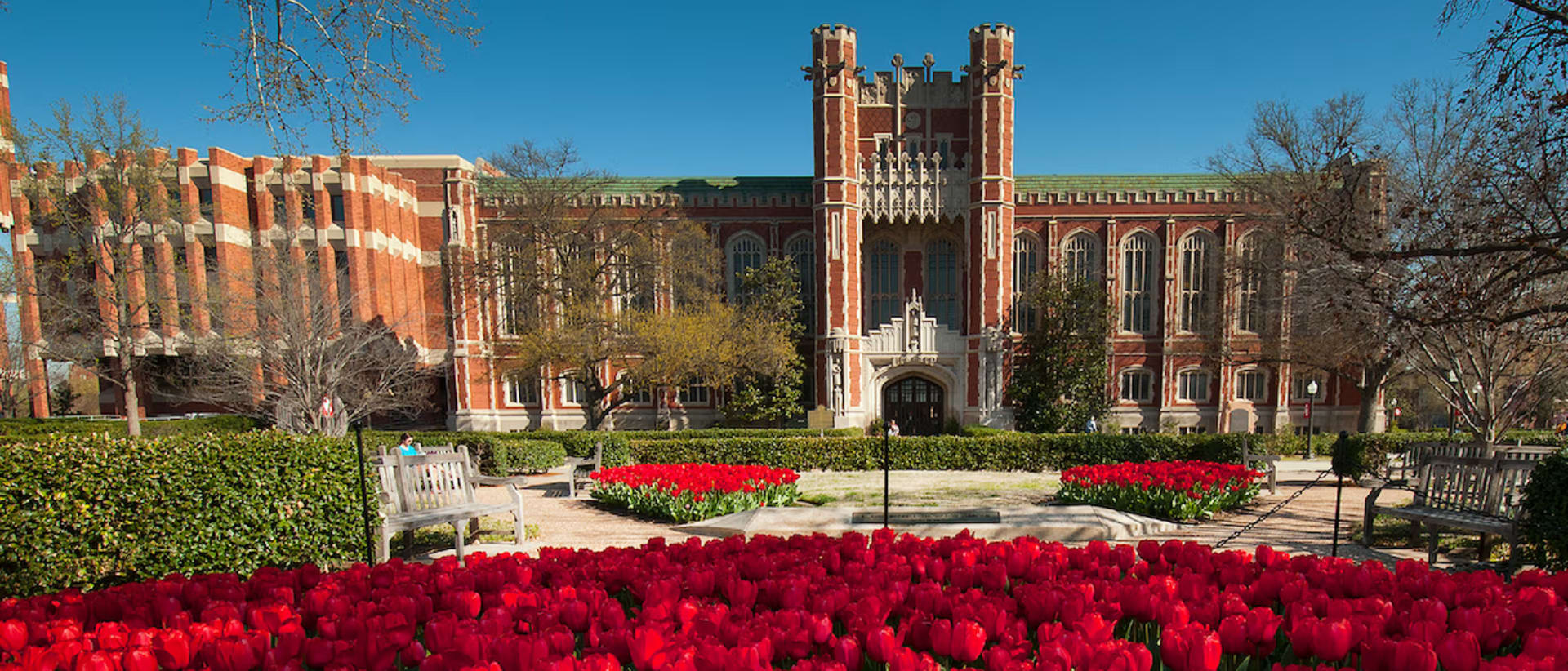

Norman, USA
Master degree
30 months
Distance Learning
English


Saint Charles, USA
MA
3 years
Distance Learning, On-Campus
English
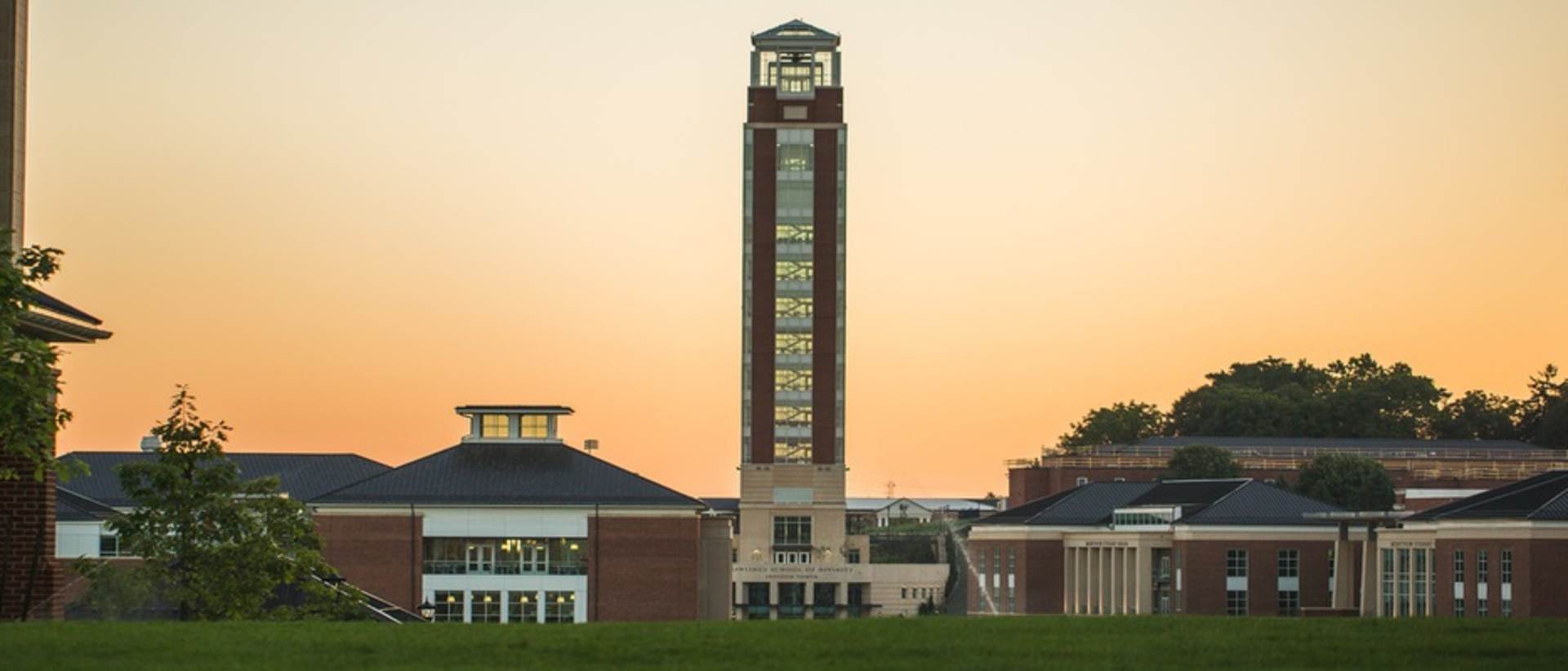
Lynchburg, USA
MA
3 years
On-Campus
English


Liverpool, United Kingdom
MSc
24 months
Distance Learning
English


Bellevue, Switzerland
BA
4 years
Distance Learning, On-Campus
English
Lynchburg, USA
MA
3 years
Distance Learning
English
Springfield, USA
MA
Distance Learning, On-Campus, Blended
English
Learn more about Counseling and Psychotherapy degree programs
Counseling and psychotherapy programs prepare you to understand human behavior, support mental health, and work therapeutically with individuals, couples, and groups. This field draws people with a genuine interest in psychology, emotional wellbeing, and the science behind how we think and relate to others.
The learning environment fosters reflective practice and personal awareness alongside academic inquiry. You'll study modules covering theories of personality, developmental psychology, group dynamics, and trauma-informed care. Practical instruction includes learning to conduct clinical assessments, apply therapeutic frameworks such as cognitive behavioral or person-centered approaches, and hold ethically grounded client sessions under supervision.
As you progress, you'll develop competencies in case conceptualization, active listening, and documentation of client progress. Graduates move into roles as licensed counselors, psychotherapists, addiction specialists, school counselors, and mental health advocates. Many also work within healthcare systems, private practice, community organizations, or employee assistance programs. Some pursue further study or research in clinical psychology or counseling education. This is a field where your academic training directly shapes the quality of care you can offer.