Filters
Bachelors
Sustainability and Environment
870 Environmental and Earth Sciences Bachelor's Degree Programs


Lappeenranta, Finland
Bachelor's degree
3 years
On-Campus
English


Padua, Italy
Bachelor's degree
3 years
On-Campus
English


Ponta Delgada, Portugal
Bachelor's degree
3 years
On-Campus
English


Beauvais, France
Bachelor's degree
2 years
On-Campus
French
Beauvais, France
Bachelor's degree
3 years
On-Campus
French
Find your perfect program
Answer a few questions and we'll match you with the programs that suit you!


Pamplona, Spain
Bachelor's degree
4 years
On-Campus
English, Spanish


Siena, Italy
Bachelor's degree
3 years
On-Campus
Italian
Siena, Italy
Bachelor's degree
3 years
On-Campus
Italian


Lewiston, USA
Bachelor's degree
4 years
On-Campus
English


Jaén, Spain
Bachelor's degree
4 years
On-Campus
Spanish
Siena, Italy
Bachelor's degree
3 years
On-Campus
Italian


Honolulu, USA
Bachelor's degree
4 years
On-Campus
English


Prešov, Slovakia
Bachelor's degree
3 years
On-Campus
English
Prešov, Slovakia
Bachelor's degree
2 years
On-Campus
English
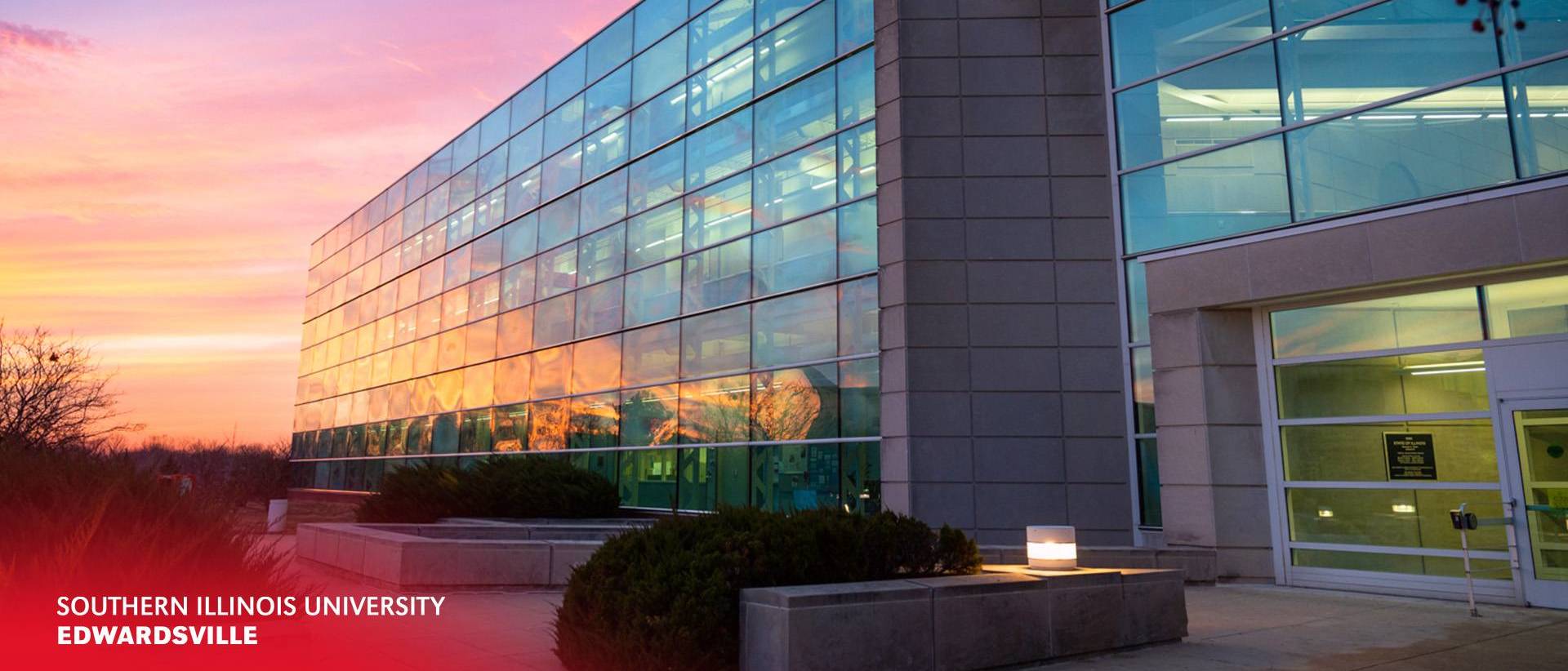

Edwardsville, USA
Bachelor's degree
4 years
On-Campus
English
Lewiston, USA
Bachelor's degree
4 years
On-Campus
English
Learn more about Environmental and Earth Sciences Bachelor's degree programs
You'll examine the systems that shape our planet, from atmospheric circulation to soil composition, watershed dynamics, and geological processes. A Bachelor's in Environmental and Earth Sciences gives you the scientific grounding to understand how natural systems function and how human activity intersects with them.
The program fosters independent inquiry and analytical thinking, encouraging you to draw connections across disciplines like ecology, climatology, and geochemistry. Through field-based and laboratory coursework, you'll practice collecting environmental samples, interpreting geospatial data, and applying quantitative methods to real-world problems. Modules may cover hydrology, environmental policy, remote sensing, and resource management, giving you a broad yet rigorous foundation.
Graduates move into roles across environmental consulting, conservation science, government agencies, and research institutions. You might assess contaminated sites, contribute to climate monitoring programs, or analyze land-use impacts for urban planning projects. Some pursue postgraduate study in specialized areas like oceanography or environmental law. The competencies you develop, including scientific communication, data interpretation, and fieldwork methods, translate across sectors wherever evidence-based environmental decision-making matters.