Filters
Bachelors
Sustainability and Environment
42 Energy Management and Policy Bachelor's Degree Programs


Lahti, Finland
Bachelor's degree
3 years
On-Campus
English


Leganés, Spain
Bachelor's degree
4 years
On-Campus
English
Find your perfect program
Answer a few questions and we'll match you with the programs that suit you!
Lappeenranta, Finland
Bachelor's degree
3 years
On-Campus
English
Leganés, Spain
Bachelor's degree
4 years
On-Campus
English, Spanish


Kaunas, Lithuania
Bachelor's degree
4 years
On-Campus
English, Lithuanian


Norman, USA
Bachelor's degree
On-Campus
English

Newark, USA
Bachelor's degree
On-Campus
English

Normal, USA
Bachelor's degree
On-Campus
English


Morgantown, USA
Bachelor's degree
On-Campus
English


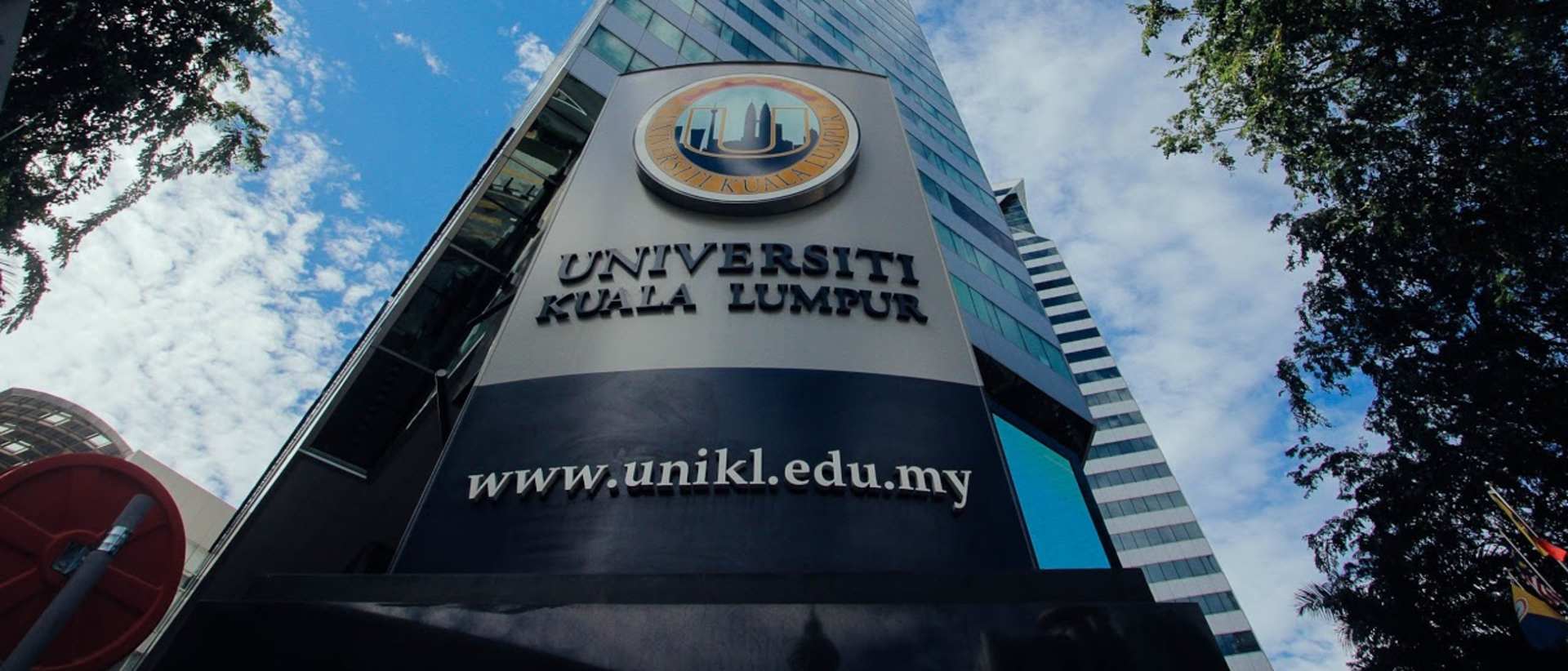

Kuala Lumpur, Malaysia
Bachelor's degree
4 years
On-Campus
English



Bandung, Indonesia
Bachelor's degree
0 years
On-Campus
Indonesian


Norwich, United Kingdom
Bachelor's degree
On-Campus
English
Learn more about Energy Management and Policy Bachelor's degree programs
You'll study how energy systems work, how they're governed, and what it takes to shift them toward more sustainable models. A Bachelor's in Energy Management and Policy sits at the crossroads of engineering principles, economics, and public policy.
The learning environment fosters independent analysis and interdisciplinary thinking across technical and regulatory contexts. In your coursework, you'll examine energy auditing, utility regulation, resource planning, and environmental law. You'll also practice reading and interpreting energy data to assess efficiency measures, cost structures, and policy trade-offs at both local and national scales.
Alongside the technical side, you'll develop skills in stakeholder communication, writing policy briefs, and presenting recommendations to non-specialist audiences. Many programs include industry-linked projects where you analyze real infrastructure scenarios or evaluate proposed legislation. These experiences connect academic methods to the decisions made by governments, utilities, and private energy firms.
Graduates move into roles such as energy analyst, sustainability officer, regulatory affairs specialist, and policy advisor. This field suits you if you want to work where technical knowledge, economic reasoning, and governance decisions intersect.